Home Upload Photo Upload Videos Write a Blog Analytics Messaging Streaming Create Adverts Creators Program
Bebuzee Afghanistan Bebuzee Albania Bebuzee Algeria Bebuzee Andorra Bebuzee Angola Bebuzee Antigua and Barbuda Bebuzee Argentina Bebuzee Armenia Bebuzee Australia Bebuzee Austria Bebuzee Azerbaijan Bebuzee Bahamas Bebuzee Bahrain Bebuzee Bangladesh Bebuzee Barbados Bebuzee Belarus Bebuzee Belgium Bebuzee Belize Bebuzee Benin Bebuzee Bhutan Bebuzee Bolivia Bebuzee Bosnia and Herzegovina Bebuzee Botswana Bebuzee Brazil Bebuzee Brunei Bebuzee Bulgaria Bebuzee Burkina Faso Bebuzee Burundi Bebuzee Cabo Verde Bebuzee Cambodia Bebuzee Cameroon Bebuzee Canada Bebuzee Central African Republic Bebuzee Chad Bebuzee Chile Bebuzee China Bebuzee Colombia Bebuzee Comoros Bebuzee Costa Rica Bebuzee Côte d'Ivoire Bebuzee Croatia Bebuzee Cuba Bebuzee Cyprus Bebuzee Czech Republic Bebuzee Democratic Republic of the Congo Bebuzee Denmark Bebuzee Djibouti Bebuzee Dominica Bebuzee Dominican Republic Bebuzee Ecuador Bebuzee Egypt Bebuzee El Salvador Bebuzee Equatorial Guinea Bebuzee Eritrea Bebuzee Estonia Bebuzee Eswatini Bebuzee Ethiopia Bebuzee Fiji Bebuzee Finland Bebuzee France Bebuzee Gabon Bebuzee Gambia Bebuzee Georgia Bebuzee Germany Bebuzee Ghana Bebuzee Greece Bebuzee Grenada Bebuzee Guatemala Bebuzee Guinea Bebuzee Guinea-Bissau Bebuzee Guyana Bebuzee Haiti Bebuzee Honduras Bebuzee Hong Kong Bebuzee Hungary Bebuzee Iceland Bebuzee India Bebuzee Indonesia Bebuzee Iran Bebuzee Iraq Bebuzee Ireland Bebuzee Israel Bebuzee Italy Bebuzee Jamaica Bebuzee Japan Bebuzee Jordan Bebuzee Kazakhstan Bebuzee Kenya Bebuzee Kiribati Bebuzee Kuwait Bebuzee Kyrgyzstan Bebuzee Laos Bebuzee Latvia Bebuzee Lebanon Bebuzee Lesotho Bebuzee Liberia Bebuzee Libya Bebuzee Liechtenstein Bebuzee Lithuania Bebuzee Luxembourg Bebuzee Madagascar Bebuzee Malawi Bebuzee Malaysia Bebuzee Maldives Bebuzee Mali Bebuzee Malta Bebuzee Marshall Islands Bebuzee Mauritania Bebuzee Mauritius Bebuzee Mexico Bebuzee Micronesia Bebuzee Moldova Bebuzee Monaco Bebuzee Mongolia Bebuzee Montenegro Bebuzee Morocco Bebuzee Mozambique Bebuzee Myanmar Bebuzee Namibia Bebuzee Nauru Bebuzee Nepal Bebuzee Netherlands Bebuzee New Zealand Bebuzee Nicaragua Bebuzee Niger Bebuzee Nigeria Bebuzee North Korea Bebuzee North Macedonia Bebuzee Norway Bebuzee Oman Bebuzee Pakistan Bebuzee Palau Bebuzee Panama Bebuzee Papua New Guinea Bebuzee Paraguay Bebuzee Peru Bebuzee Philippines Bebuzee Poland Bebuzee Portugal Bebuzee Qatar Bebuzee Republic of the Congo Bebuzee Romania Bebuzee Russia Bebuzee Rwanda Bebuzee Saint Kitts and Nevis Bebuzee Saint Lucia Bebuzee Saint Vincent and the Grenadines Bebuzee Samoa Bebuzee San Marino Bebuzee São Tomé and Príncipe Bebuzee Saudi Arabia Bebuzee Senegal Bebuzee Serbia Bebuzee Seychelles Bebuzee Sierra Leone Bebuzee Singapore Bebuzee Slovakia Bebuzee Slovenia Bebuzee Solomon Islands Bebuzee Somalia Bebuzee South Africa Bebuzee South Korea Bebuzee South Sudan Bebuzee Spain Bebuzee Sri Lanka Bebuzee Sudan Bebuzee Suriname Bebuzee Sweden Bebuzee Switzerland Bebuzee Syria Bebuzee Taiwan Bebuzee Tajikistan Bebuzee Tanzania Bebuzee Thailand Bebuzee Timor-Leste Bebuzee Togo Bebuzee Tonga Bebuzee Trinidad and Tobago Bebuzee Tunisia Bebuzee Turkey Bebuzee Turkmenistan Bebuzee Tuvalu Bebuzee Uganda Bebuzee Ukraine Bebuzee United Arab Emirates Bebuzee United Kingdom Bebuzee Uruguay Bebuzee Uzbekistan Bebuzee Vanuatu Bebuzee Venezuela Bebuzee Vietnam Bebuzee World Wide Bebuzee Yemen Bebuzee Zambia Bebuzee Zimbabwe
Blog Image

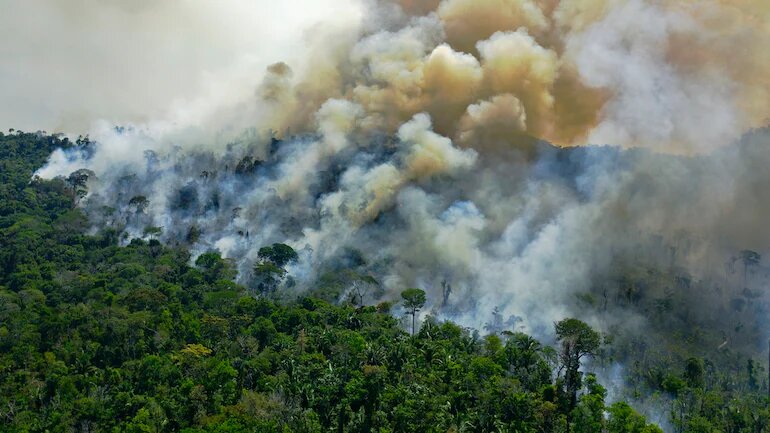
Over 20,000 plant species to go extinct since humans don't need them anymore

A new study shows that plant species that will not be useful to humans will go extinct unless they tolerate human pressures, adapt, or shift distributions.

Humans have had an impact on Earth. This impact is now visible in the form of climate change, global warming, rising sea temperatures, and extreme weather events. In research that catalogs over 80,000 plant species, scientists have found that most of them, over 20,000, will go extinct thanks to their minimal usefulness to humans.

The study that categorises plant species worldwide finds that on this human-dominated planet, many more species of plants are poised to “lose” rather than “win.” Researchers suggest that In a rapidly changing world, species may tolerate shifting conditions, adapt, or migrate to new habitats. Species that benefit humankind may have an additional advantage of survival.

"Those that cannot tolerate, adapt, migrate, or prove useful will be the ultimate losers in the Anthropocene and may become extinct," the report states. The findings of the study have been published in a paper in Plants People Planet, classifying a significant portion of plant species as winners or losers.

SURVIVAL OF THE FITTEST

Naturalist Charles Darwin, in his theory of evolution, has proposed that evolution works on the theory of survival of the fittest. This means that individuals in a population, or community, are more likely to survive if they are fit in a genetic sense. The new study working on similar lines indicates that human choices now largely dictate the environmental conditions across much of the globe and, as a result, species of plants and animals can survive or will go extinct.

"Species lucky enough to be directly or indirectly aided by human activities are likely to survive and can be thought of as “winners,” while those that are pushed to ecological irrelevance or extinction by those same activities are the ultimate “losers” in evolutionary terms," researchers at the Smithsonian said in a statement.

MORE LOSERS THAN WINNERS

Researchers place 86,592 species of vascular plants—a large group of plants that have vascular tissue that transport water, nutrients, and other substances—into the eight categories that describe their prospects for survival. These categories include winners useful to humans and winners not useful to humans, losers useful to humans and losers not useful to humans, and currently neutral species.
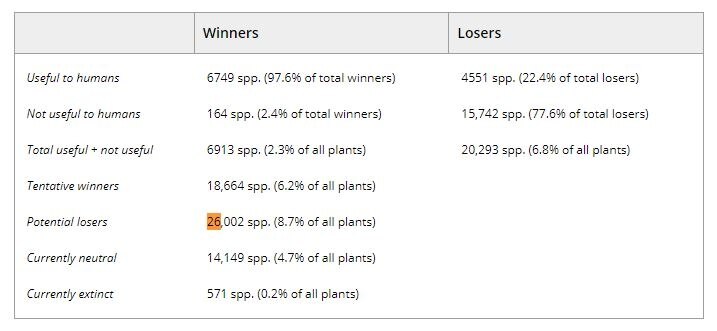
"The results suggest that currently, many more species are losers than winners and that if the tentative winners and potential losers realize their projected trajectories, losers in the future will continue to greatly outnumber future winners," the paper read.

John Kress, botany curator emeritus at the Smithsonian’s National Museum of Natural History, who led the study said that 86,592 species might sound a large number but it is actually just under 30% of the nearly 300,000 known species of vascular plants. Kress and Krupnick categorized 20,293 species of plants as losers, with the vast majority of those losing species being identified as not useful to humans. By contrast, the researchers found just 6,913 species of winners, with all but 164 of those species having some human use. Read More…

Previous Post

Over 70 falcons seized by authorities die trapped in net of Pakistan's legal system

Next Post

Peregrine falcon once again in peril in Switzerland

Comments