Peru Congress Approves Statute of Limitations for Crimes Against Humanity
-
 Loading...
 - Alice Mosley
- 11 Jul 2024
- 154 Views
- 0 Like
- 0 Comment
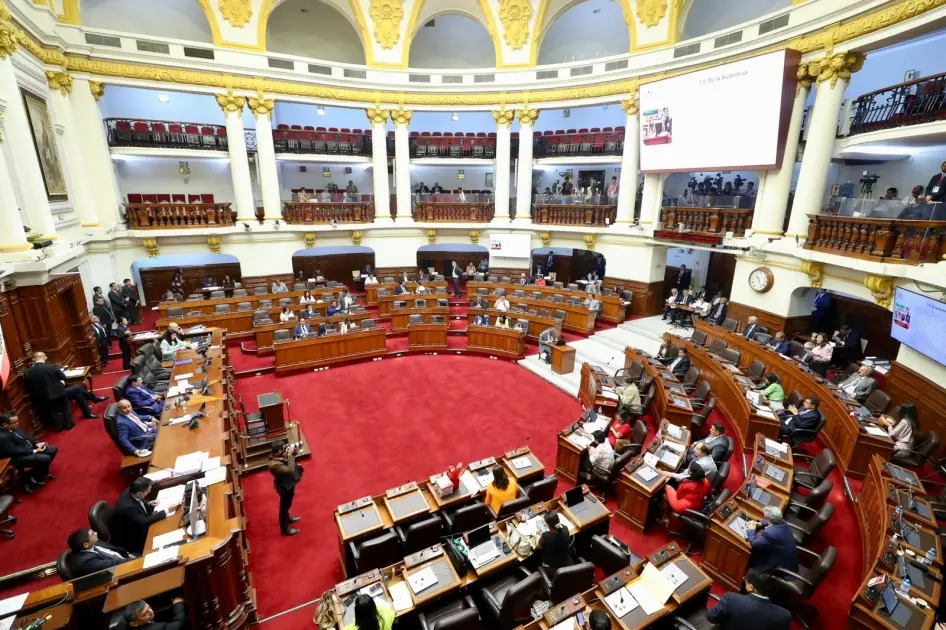
On Thursday, Peru's Congress passed a contentious law establishing a statute of limitations for crimes against humanity, despite significant opposition from human rights organizations. These groups argue that the law will obstruct ongoing investigations into serious human rights abuses.
Legislative Details
The law passed with 15 votes in favor and 12 against in the Congress' permanent commission. The initial vote last month saw 60 in favor, 36 against, and 11 abstentions.
Congressman Fernando Rospigliosi of the right-wing Popular Force (FP) party, which is led by Keiko Fujimori, defended the law. He cited the plight of elderly military and police officers facing prosecution for crimes against humanity.
Context and Opposition
Keiko Fujimori, the leader of FP, is the daughter of former President Alberto Fujimori. Alberto Fujimori, aged 85, was released from prison last year after serving 16 years for human rights abuses during his presidency in the 1990s.
The Inter-American Court of Human Rights has urged Peru to annul or block the law. However, President Dina Boluarte's government swiftly rejected this, viewing it as interference.
Potential Implications
The law now awaits the signature of President Boluarte for implementation, which is expected in the coming days.
Rights groups warn that the law will halt numerous investigations into abuses committed before 2003. This period includes the conflict between security forces and rebel groups, resulting in 69,000 deaths or disappearances.
Key Perspectives
Yvan Montoya, a law professor at the Pontifical Catholic University of Peru, suggests that the law could benefit individuals like former President Fujimori. He is facing charges in an upcoming trial for his alleged involvement in the murder of six rural residents in 1992, which is classified as a crime against humanity.
The passage of this law marks a significant development in Peru's legislative landscape, sparking debate over justice and accountability for past human rights abuses.