Peruvian Customs
-
 Loading...
 - Arnold Kaiser
- 19 Aug 2024
- 45 Views
- 0 Like
- 0 Comment
Peru is a land of unparalleled diversity, where ancient Incan legacies intertwine with modern-day influences to create a truly mesmerizing cultural tapestry. Beyond the awe-inspiring wonders of Machu Picchu and the Nazca Lines, this South American nation is home to a rich tapestry of traditions that offer a glimpse into the heart and soul of its people. From vibrant festivals that ignite the senses to time-honored rituals that connect the present to the past, Peruvian customs are a testament to the resilience and ingenuity of a people who have weathered the storms of history.
In this article, we'll embark on a captivating journey to uncover the unique and often little-known facets of Peruvian customs, delving into the stories and significance that lie beneath the surface. So, let's dive in and explore the vibrant world of Peruvian traditions that continue to captivate and inspire travelers from around the globe.
Daily Life
The daily life of Peruvians varies greatly depending on their social class and whether they live in rural or urban areas. In rural areas, people are heavily dependent on the agricultural cycle, with planting and harvesting periods requiring intense labor. In contrast, urban dwellers have a more modern lifestyle, with access to amenities and services.
The Sacred Rituals of the Andes
At the heart of Peruvian culture lies a deep reverence for the natural world and the spiritual realm. This reverence is manifested in a rich tapestry of ancient rituals, many of which have their origins in the Incan civilization. One such ritual is the Despacho Ceremony, a ceremonial offering to Pachamama, the Inca goddess of the earth.
During this ritual, participants gather natural elements such as flowers, herbs, and grains, and meticulously arrange them into a colorful, intricate mandala-like offering. The Despacho Ceremony is believed to promote harmony, balance, and the continued blessings of Pachamama. As the offering is carefully constructed, participants engage in chanting, prayers, and the burning of incense, creating a powerful and mystical atmosphere.
Another captivating ritual is the Ayahuasca Ceremony, a shamanic practice that has gained global attention in recent years. This powerful plant medicine ceremony, led by skilled Amazonian healers, is said to offer participants a profound and transformative experience, allowing them to connect with the spiritual realm and gain insights into their own lives.
Vibrant Festivals and Celebrations
Peruvian customs are not limited to sacred rituals; they also come alive in the form of vibrant festivals and celebrations that captivate the senses. One of the most renowned is the Inti Raymi, an annual festival that commemorates the winter solstice and the Inca sun god, Inti.
Held in the ancient Inca capital of Cusco, the Inti Raymi festival is a dazzling display of traditional music, dance, and ceremonial reenactments. Thousands of participants don intricate costumes and masks, representing the various deities and figures of Inca mythology. The festival culminates in a grand procession, where the Sapa Inca, the Inca emperor, leads a ceremonial pilgrimage to the sacred Sacsayhuamán fortress, honoring the sun god and the changing of the seasons.
Another must-see festival is the Fiesta de la Virgen de la Candelaria, celebrated in the city of Puno on the shores of Lake Titicaca. This vibrant festival blends Catholic and indigenous traditions, with participants donning colorful costumes and masks, and engaging in lively dances and musical performances. The highlight of the festival is the grand procession, where the statue of the Virgin Mary is paraded through the streets, accompanied by the rhythmic beats of traditional Andean instruments.
Culinary Traditions and the Art of Weaving
Peruvian customs extend far beyond the realm of rituals and festivals; they are also deeply rooted in the country's rich culinary heritage and the intricate art of weaving.
Peruvian cuisine is renowned for its diverse flavors, influenced by the country's varied geography and the fusion of indigenous, Spanish, and Asian culinary traditions. One of the most iconic Peruvian dishes is ceviche, a fresh seafood dish that is "cooked" in the acidic juices of citrus fruits, such as lime and lemon. The preparation of ceviche is a true art form, with skilled chefs carefully balancing the flavors and textures to create a harmonious and refreshing dish.
Another significant culinary tradition is the use of the Inca superfood, quinoa. This ancient grain, revered for its nutritional value, is woven into a variety of Peruvian dishes, from hearty stews to fluffy pilafs. The cultivation and preparation of quinoa are deeply rooted in Inca agricultural practices, and the grain continues to hold a special place in the hearts and diets of Peruvians.
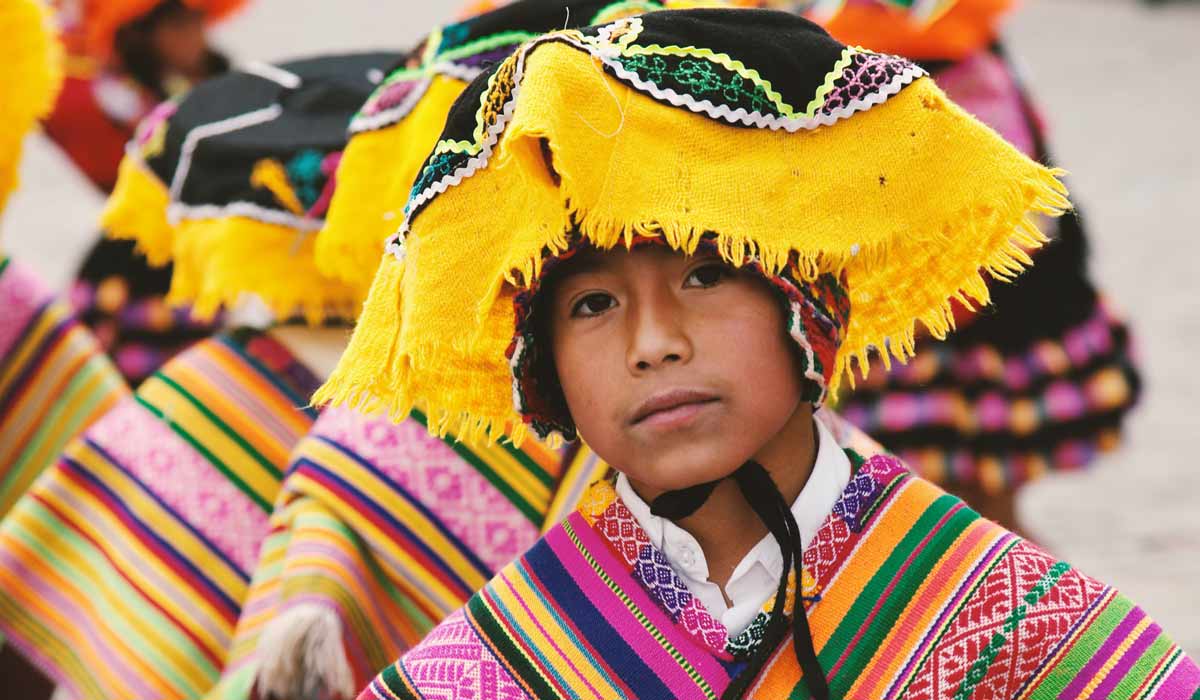
Alongside the culinary arts, the art of weaving is another cornerstone of Peruvian culture. The intricate textiles produced by Peruvian artisans are renowned for their vibrant colors, intricate patterns, and the use of traditional techniques that have been passed down for generations. From the iconic alpaca wool sweaters to the stunning tapestries that adorn the walls of Inca ruins, Peruvian textiles are a testament to the country's rich artistic heritage.
Traditions
Peruvian traditions are deeply rooted in its indigenous and colonial past. The country has a strong tradition of handicrafts, such as weaving, ceramics, and metalworking, which are highly prized by tourists and collectors. The traditional clothing of Peru, such as the poncho and the pollera, is also an important part of its cultural heritage.
Language and Communication
In Peru, language and communication play a vital role in daily life. The official language is Spanish, but many indigenous languages are also spoken, including Quechua and Aymara. Non-verbal communication is also important, with gestures and body language playing a significant role in social interactions.
Business Etiquette
When doing business in Peru, it is essential to understand the local customs and etiquette. This includes addressing people with formal titles such as Señor or Señora, and using formal language in business communications. It is also important to present business cards with the Spanish side facing the recipient, and to dress formally and conservatively.
Overall, Peruvian customs are a unique blend of indigenous, Spanish, African, and Asian influences, and are an integral part of the country's identity.


