The top five customs and traditions in Colombian culture
-
 Loading...
 - Jendayi Gad
- 20 Aug 2024
- 46 Views
- 0 Like
- 0 Comment
Colombian culture is rich and diverse, with deep-rooted customs and traditions that reflect the country’s history, geography, and mix of indigenous, African, and European influences. Here are the top five customs and traditions in Colombian culture:
1. Carnaval de Barranquilla
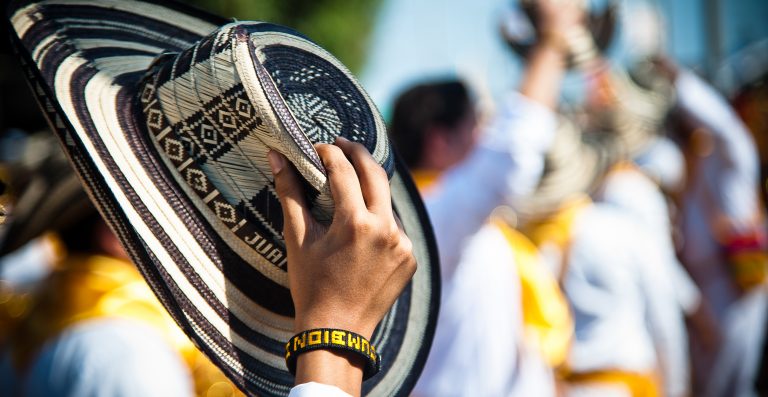
Description: The Carnaval de Barranquilla is one of the most famous and vibrant festivals in Colombia, held annually in the city of Barranquilla. It is a UNESCO-recognized event and the second-largest carnival in the world after Rio de Janeiro’s. The carnival features colorful parades, traditional music, dance, and elaborate costumes, showcasing the cultural diversity of the Caribbean region of Colombia.
Key Elements: The carnival includes traditional dances such as cumbia, mapalé, and garabato. The event is marked by the Batalla de Flores (Battle of Flowers) parade, the Grand Parade, and the burial of Joselito Carnaval, which symbolizes the end of the festivities.
2. Coffee Culture (Cafeteros)
Description: Coffee is a vital part of Colombian culture and economy. The country is one of the world’s largest producers of coffee, and the coffee-growing region, known as the “Coffee Triangle,” is a UNESCO World Heritage site. The tradition of coffee farming, processing, and consumption is deeply ingrained in Colombian life.
Key Elements: Visiting coffee farms (fincas), participating in coffee tours, and enjoying freshly brewed Colombian coffee are essential experiences. The traditional "tinto" (a small cup of black coffee) is often enjoyed throughout the day as a social ritual.
3. Ajiaco and Arepas
Description: Colombian cuisine is diverse, with each region having its own traditional dishes. Ajiaco, a hearty potato and chicken soup, is a staple in Bogotá and the Andean region. Arepas, a type of cornmeal cake, are enjoyed throughout the country, with regional variations in preparation and toppings.
Key Elements: Ajiaco typically includes ingredients like guasca (a local herb), corn, capers, and a dollop of cream. Arepas can be eaten plain or stuffed with cheese, meats, or eggs, depending on the region.
4. Festival of the Flowers (Feria de las Flores)
Description: The Feria de las Flores is an annual festival held in Medellín, celebrating the region's rich flower-growing heritage. The festival is known for its "silleteros," flower farmers who create intricate flower arrangements on wooden frames (silletas) that they carry on their backs during parades.
Key Elements: The festival features the Desfile de Silleteros (Silleteros Parade), concerts, flower exhibitions, and cultural events. It highlights the beauty of Colombia's flowers and the pride of the Antioquian people in their agricultural traditions.
5. Christmas and Novena de Aguinaldos
Description: Christmas is a major holiday in Colombia, celebrated with unique traditions, particularly the Novena de Aguinaldos, which is a nine-day prayer ritual leading up to Christmas Eve. Families gather each night to pray, sing carols (villancicos), and share traditional foods.
Key Elements: The novena is a time for family and community bonding, often accompanied by festive foods like buñuelos (fried dough balls) and natilla (a custard-like dessert). Christmas lights and decorations, especially in cities like Medellín and Bogotá, are also a significant part of the celebrations.
These customs and traditions reflect the warmth, creativity, and deep-rooted cultural pride of the Colombian people, making Colombia a country with a rich and vibrant cultural identity.