Peruvian Women Revive Arts Lost to Trauma of Forced Sterilizations
-
 Loading...
 - Debora Costa
- 04 Nov 2024
- 48 Views
- 0 Like
- 0 Comment
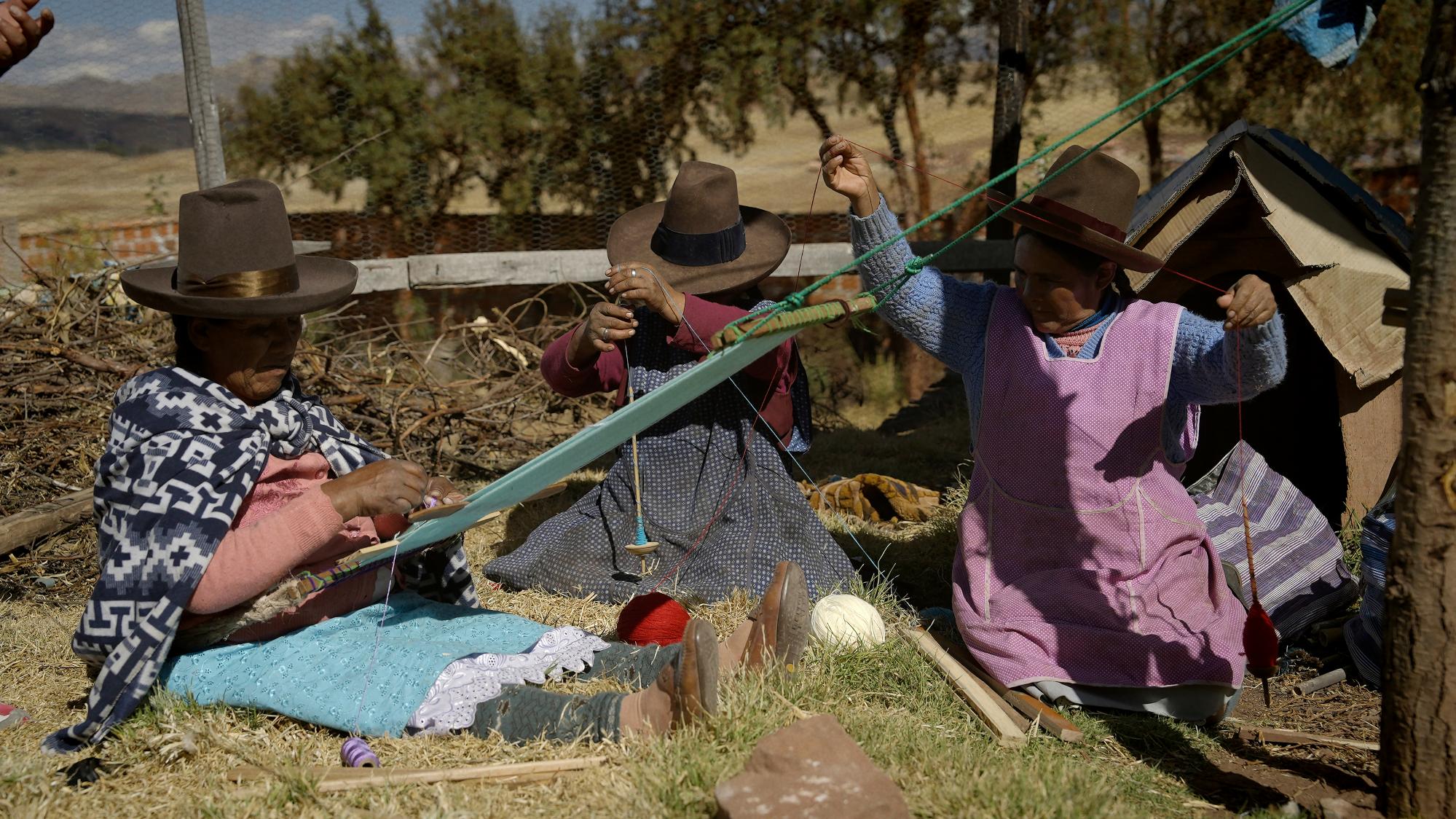
In the Indigenous community of Huayllacocha, south of Machu Picchu, a quiet revolution is unfolding as women reclaim their cultural heritage through weaving. Ricardina Huaman Folopa, along with eight other survivors of forced sterilization, is rediscovering the art of weaving using a traditional backstrap loom—a skill they had abandoned for decades due to the trauma inflicted by a coercive birth control policy in Peru.
Folopa, who is meticulously counting the wool threads needed to create a chumpi (a traditional belt), reflects on her long absence from weaving. “Can you believe it? It’s the first time I have woven in 27 years,” she shares, expressing both excitement and anxiety about her ability to remember the craft. The physical act of weaving, which involves jolting movements that can be painful for those who have undergone sterilization, brings back memories of a time when she wove alongside her mother.
Between 1996 and 2001, the Peruvian government, under former president Alberto Fujimori, implemented a coercive sterilization program targeting vulnerable communities, resulting in the sterilization of over 270,000 women. Many of these procedures were performed without proper medical care, leading to severe complications and even death. The trauma from these experiences has had lasting effects, not only on the women’s physical health but also on their cultural practices, particularly weaving.
Eutropia Quilla Huaman, another participant in the workshop, recalls how the pain from her sterilization surgery made it impossible to continue weaving. “Our tradition is disappearing. It’s not just that the women stop weaving; they also forget the techniques, and that’s the worst,” she laments.
The workshop, led by artist and anthropologist Alejandra Ballón Gutiérrez, aims to help these women reconnect with their cultural identity through the revival of traditional weaving. Ballón Gutiérrez emphasizes that the violence these women experienced is compounded over time, affecting their cultural practices and sense of self. The project not only teaches them the techniques of weaving but also encourages them to create visual testimonies of their experiences, using colors and symbols that reflect their journeys.
The women are weaving chumpis in three parts, representing their lives before, during, and after the surgeries. This process serves as both a healing mechanism and a way to pass on their knowledge to younger generations. Master weaver Jovana Lopes Paco, who assists in the workshop, highlights the importance of cultural transmission, stating, “It’s not just about technique; it’s about cultural transmission and identity.”
The impact of the forced sterilizations has been profound, with many women facing social stigma and marginalization in their communities. Ballón Gutiérrez notes that the trauma has led to a significant decline in traditional crafts, as many women stopped weaving altogether due to the physical and emotional pain associated with their experiences.
As part of the project, the finished textiles will be exhibited at the Place of Memory, Tolerance and Social Inclusion in Lima, a museum dedicated to the historical conflicts in Peru. This exhibition aims to raise awareness about the injustices faced by these women and to foster a greater understanding of their experiences within society.
Ballón Gutiérrez hopes to continue hosting workshops, emphasizing that reparations for the survivors must encompass economic, legal, social, and cultural dimensions. “If all these levels are not covered, this crime could very well be repeated,” she warns.
Through their weaving, these women are not only reclaiming their cultural heritage but also creating a powerful narrative of resilience and healing in the face of trauma. Their stories and artistry serve as a reminder of the importance of cultural identity and the need for recognition and justice for the injustices they have endured.