Philippines Central Bank Ends Ban on Electronic Money Issuers
-
 Loading...
 - Mawar Anam
- 07 Jan 2025
- 203 Views
- 0 Like
- 0 Comment
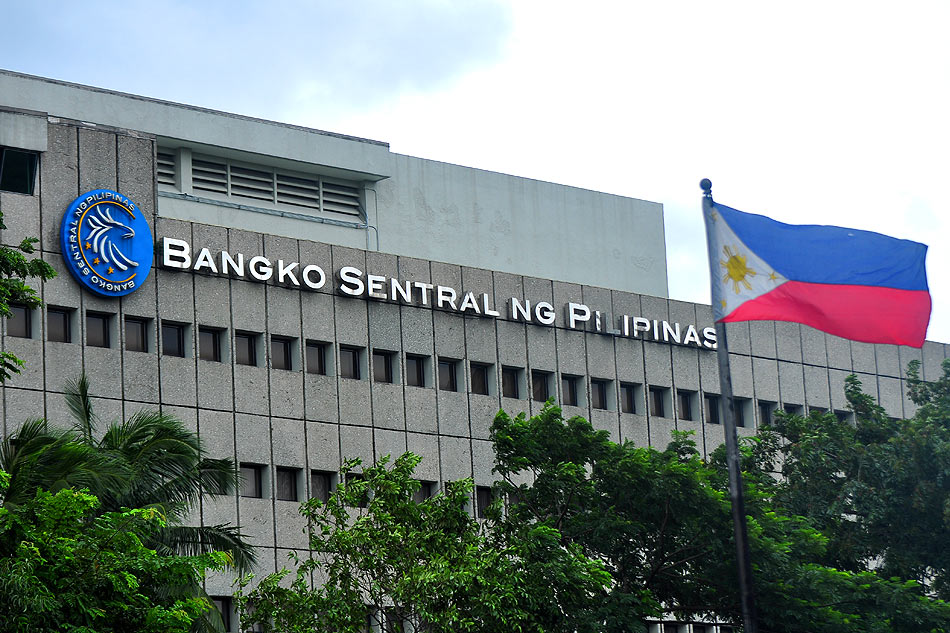
The Bangko Sentral ng Pilipinas (BSP) has officially lifted its moratorium on new electronic money issuers from non-bank financial institutions (EMI-NBFI), a move aimed at enhancing digital payments across the country. This decision is expected to promote financial inclusion and foster innovation within the financial sector.
Conditions for Licensing
While the moratorium has been lifted, prospective EMI-NBFIs must still meet several conditions to obtain a license. According to the Electronic Payments International news service, applicants are required to submit proposals supported by market research and data-driven analysis. These applications must clearly define the intended market and provide evidence-based insights into the business model and target demographic, thereby strengthening their value proposition.
Additional requirements include:
- Ownership Transparency: Applicants must demonstrate clear ownership structures.
- Shareholder Suitability: The suitability of shareholders must be assessed.
- Fitness and Propriety of Management: Directors and senior management must be deemed fit and proper.
- Adequate Capital: Applicants must show they have sufficient capital to operate.
- Risk Management Systems: Proper risk management frameworks must be in place.
Furthermore, applications that present innovative business models targeting underserved markets and leveraging new technologies will be favored.
The moratorium was initially established in November 2021 for a two-year period and was extended until December 15, 2024. With its expiration, the BSP is now open to new applications for electronic money issuance.
BSP Deputy Governor Mamerto Tangonan stated, “The BSP’s decision to lift the moratorium aims to promote digital payments, enhance financial inclusion, and foster innovation that could serve a wider segment of the market.”
To date, the BSP has reportedly issued licenses to 42 EMI-NBFIs and 27 EMI-banks, which provide a range of services including electronic money transfers, remittance services, and other digital financial offerings. This regulatory change is expected to further stimulate the growth of digital financial services in the Philippines.