Solving the Illiteracy Crisis in Brazil
-
 Loading...
 - Olivia Lehtinen
- 08 Jan 2025
- 255 Views
- 0 Like
- 0 Comment
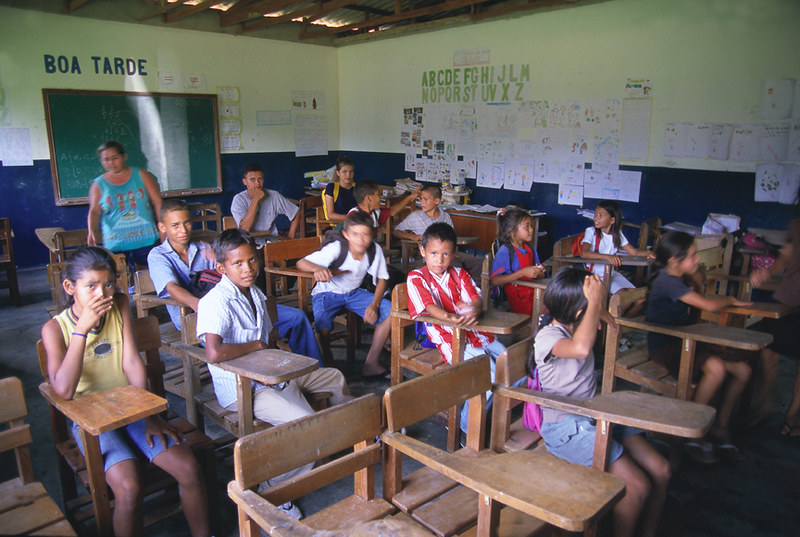
Illiteracy in Brazil has reached alarming levels, with a study conducted by the Anísio Teixeira National Institute for Educational Studies and Research (INEP) revealing that approximately 56% of Brazilian students were not literate according to the 2021 National Learning Assessment. Literacy is a fundamental skill that facilitates access to higher education, better-paying jobs, and serves as a crucial pathway out of poverty. However, significant disparities in educational quality persist across the country, particularly in deprived areas where access to comprehensive education is limited.
The COVID-19 pandemic exacerbated these challenges, as schools struggled to help students catch up after years of intermittent attendance. Many Brazilian schools face resource scarcity, leading to educational inequality. Students in well-funded schools typically achieve better results than those in under-resourced institutions, which are often located in economically disadvantaged regions. While educators strive to maximize the resources available to them, the persistent inequality remains a significant barrier to achieving universal literacy in Brazil.
Functional illiteracy is another pressing issue in Brazil, distinct from absolute illiteracy. While individuals who are functionally illiterate may possess basic reading skills, they struggle to interpret information or understand nuanced texts. According to the Brazilian Geographical and Statistics Institute (IBGE), not completing 4th grade is a critical indicator of adult functional illiteracy. Those who finish at least this level of education are significantly more likely to be functionally literate, which is essential for becoming productive citizens.
Despite this, a study found that 8% of Brazilians aged 15-64 were unable to read or write, categorizing them as absolutely illiterate. This form of illiteracy contributes to social exclusion and poorer life outcomes, highlighting the urgent need for intervention.
In response to the literacy crisis, the Brazilian Ministry of Education (MEC) has initiated various strategies to enhance children's literacy. These efforts include funding scholarship programs and providing educators with additional resources to help students achieve full literacy by the end of 2nd grade. The MEC aims to collaborate with a diverse range of professionals in the educational sector, including teachers, university experts, and municipal representatives, to realize this goal.
Supporting the government's efforts, the Lemann Foundation is a Brazilian charity dedicated to reducing inequality by ensuring that all children can read by the 3rd grade. The foundation partners with various initiatives in the third sector that focus on promoting equality, particularly for those affected by illiteracy in Brazil.
Globally, the issue of illiteracy remains a significant concern, with the United Nations Educational, Scientific and Cultural Organization (UNESCO) reporting that approximately 754 million adults are illiterate, accounting for nearly 10% of the global population. Literacy is a vital skill in nearly all desirable jobs, opening doors to better education, career opportunities, and critical thinking. Therefore, eradicating illiteracy is essential not only for individual empowerment but also for alleviating poverty.
In conclusion, addressing the illiteracy crisis in Brazil is a multifaceted challenge that requires concerted efforts from the government, educational institutions, and charitable organizations. By prioritizing literacy and ensuring equitable access to education, Brazil can work towards a future where all citizens have the opportunity to thrive.