FG Will Redefine Out-of-School Children to Exclude Almajiri — They Have Education
-
 Loading...
 - Hammed Sanusi
- 09 Jan 2025
- 206 Views
- 0 Like
- 0 Comment
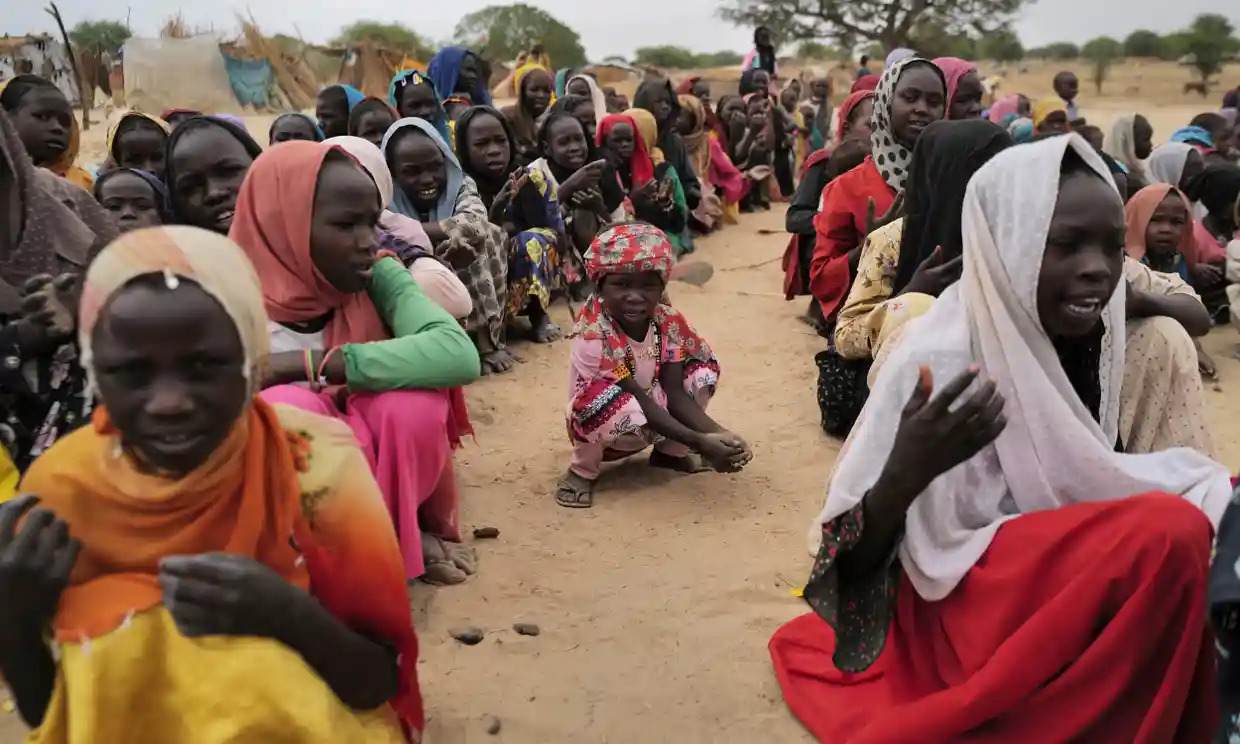
Suwaba Saidu, the Minister of State for Education, has announced that the federal government plans to redefine the term "out-of-school children" to exclude Almajiri children, who are part of a traditional Islamic education system practiced in northern Nigeria. The Almajiri system allows male children seeking Islamic knowledge to be referred to as Almajiri, while female counterparts are called Almajira, with the plural form being Almajirai.
The Almajiri system encourages guardians to transfer parental responsibilities to Islamic schools, but the lack of effective federal and state monitoring has led many of these children to engage in street begging. In response to the growing concern over out-of-school children, the federal government unveiled a comprehensive roadmap for reforms in the education sector, aiming to be implemented before 2027.
The policy document outlines ambitious goals, including a target to reduce Nigeria’s out-of-school children by 25 percent annually and to reabsorb 15 million children by 2027. Key objectives of the policy include:
i. Establishing learning centers for accelerated basic education across states to absorb 500,000 overage out-of-school children each year, with a specialized curriculum and trained teachers.
ii. Operationalizing an open school scheme to provide basic skills and entrepreneurship education to 500,000 over-age, out-of-school children annually.
iii. Integrating Almajiri schools into the formal basic education system, incorporating foundational literacy and numeracy lessons into the curriculum of these non-formal settings.
In light of these reforms, some states have formed committees to revitalize the Islamic education system and facilitate the reabsorption of their share of out-of-school children.
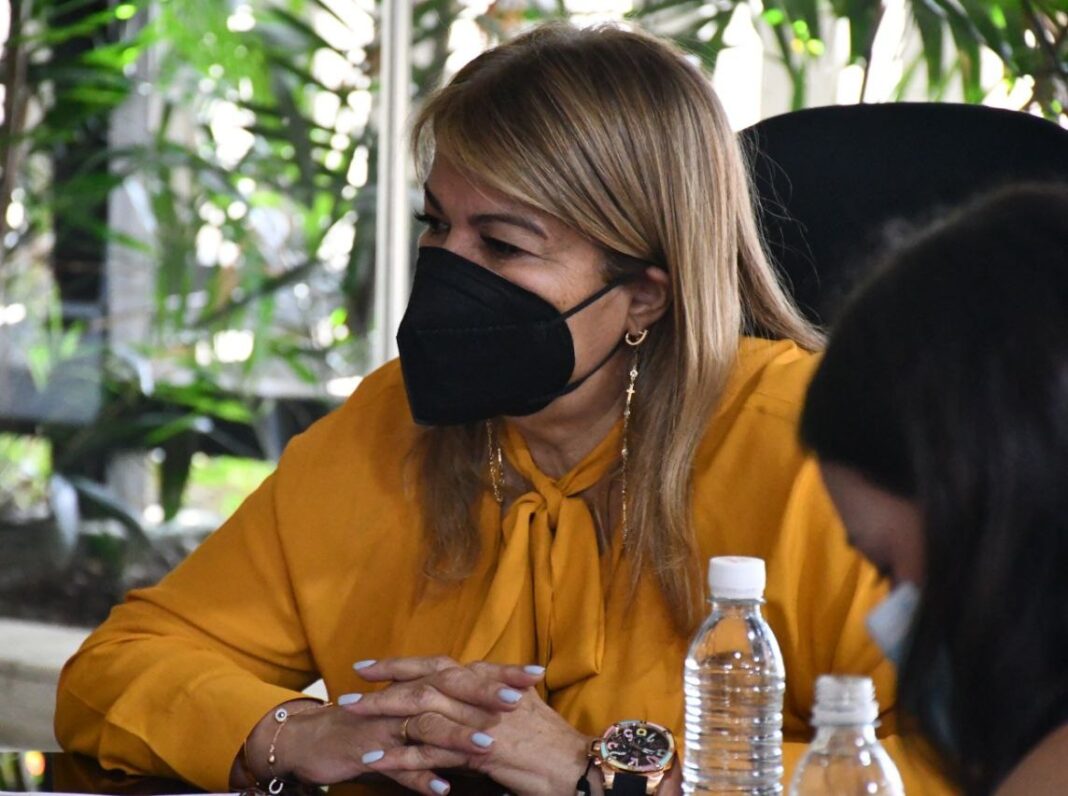
During an appearance on Arise TV, Saidu emphasized that Almajiri children already have an established system of education that needs to be enhanced with foundational literacy, numeracy, skills acquisition, and digital lessons. He stated, “One of the key issues we’re trying to solve is out-of-school children. We have reforms that are targeted at re-enrolling these children. Take for instance the Almajiri Commission. It has programmes. We have about 15 million out-of-school children.”
Saidu acknowledged the complexity of the data surrounding out-of-school children, noting that the 15 million figure includes Almajiri children. However, he asserted that Almajiri children should not be classified as out-of-school since they have their own educational curriculum and teachers. He reiterated the government's intention to redefine "out-of-school children" to exclude Almajiri, emphasizing the need to provide them with foundational learning and skills training.
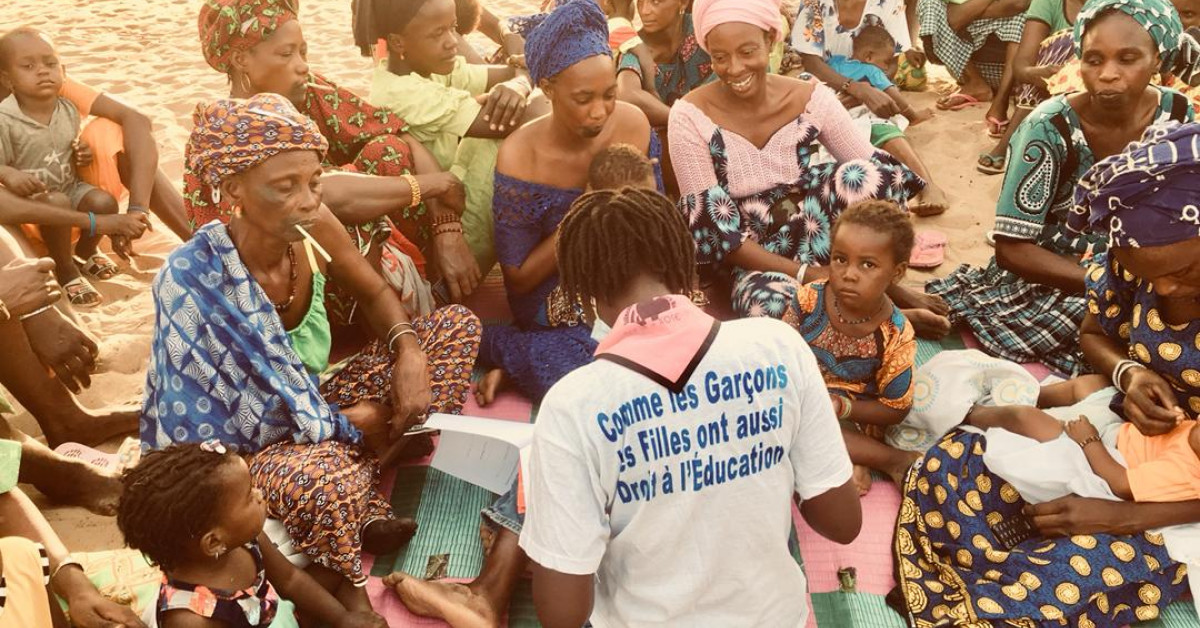
According to UNICEF, one in every three Nigerian children is estimated to be out of school, with 10.2 million at the primary level and 8.1 million at the junior secondary level. Recent data from UNESCO indicates that Nigeria's out-of-school children rate stands at approximately 28 million, with 19.5 million in rural areas and 8.5 million in urban settings.
Faced with these alarming statistics, many states in Nigeria are actively working to address their quotas of out-of-school children. In 2023, Nigeria established an Almajiri Commission under the education ministry to facilitate the integration of roaming children into conventional schools.
The federal government's initiative to redefine out-of-school children and integrate Almajiri education into the formal system represents a significant step towards addressing the educational crisis in Nigeria. By recognizing the existing educational framework of the Almajiri system and enhancing it with essential skills and literacy training, the government aims to create a more inclusive and effective educational environment for all children in the country.