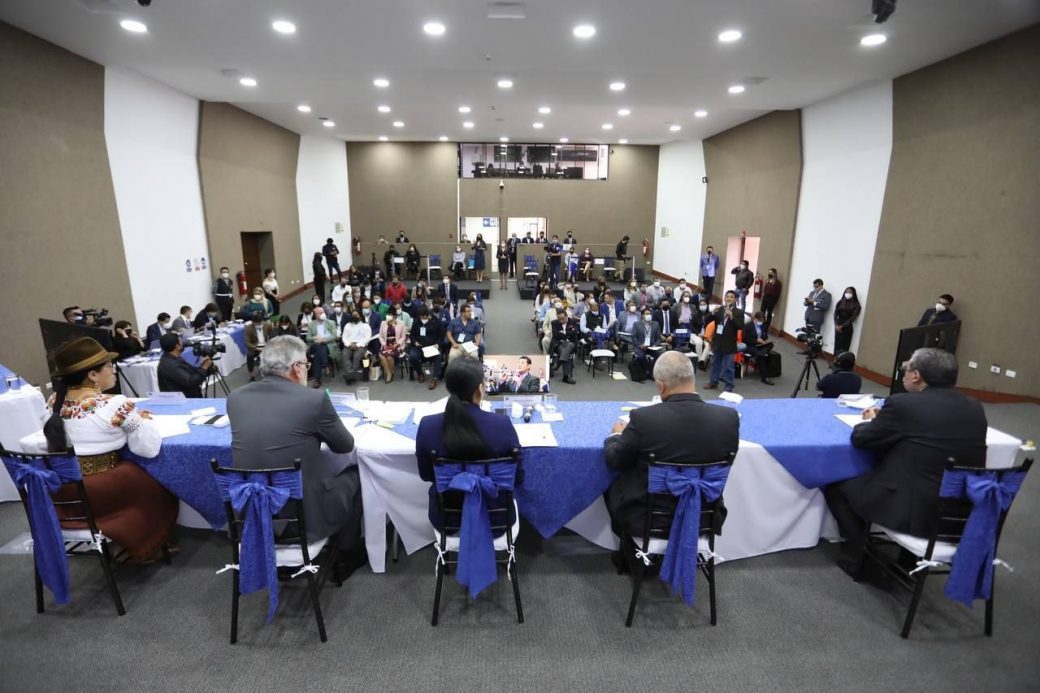
Political organizations make requests to the CNE for the 2023 elections
-
 Loading...
 - Jorge Valencia
- 08 Apr 2022
- 341 Views
- 0 Like
- 0 Comment
Enrique Pita, vice president of the CNE, warned of a possible "penetration of extrapolitical activities" and called for unity to guarantee the transparency of the process.
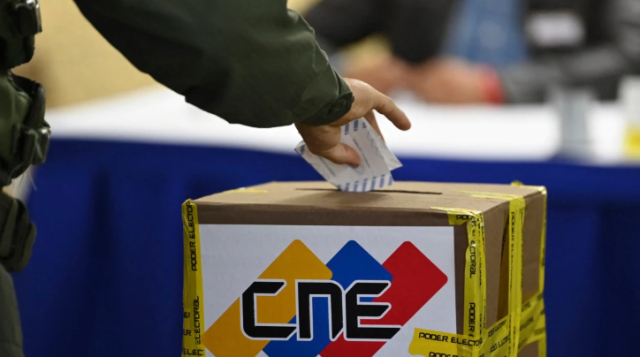
Delegates from the 16 national political organizations registered with the National Electoral Council ( CNE ) met on April 7, 2022, in the first consultative council held by the body. This is the first rapprochement before the sectional elections scheduled for February 5, 2023.
The application of the reforms to the Code of Democracy that have been in force since February 2020 and whose main aspects have to do with voting by closed lists; gender parity in the formation of lists; the creation of a new computer system to control campaign spending and the change in the method of allocating seats from D'Hondt to Webster's were some of the issues discussed at the meeting.
The space was also used by the CNE authorities to present various concerns. Diana Atamaint , president of the organization, said that although the Ministry of Finance has transferred $1,739,799 for the implementation of the change of address brigades, she is concerned that the disbursements do not correspond to the planning of the activities that are about to start.
In turn, Vice President Enrique Pita warned of an eventual penetration of extrapolitical activities, which could occur and with respect to which it is necessary to have a high vigilance -he said-.
Pita 's warning led the delegates of the groups to request explanations. In the middle of an exchange of words, the vice president of the CNE pointed out that the country would be "aggressively contaminating itself by activities related to illicit issues." That is why he made a call to the organizations for unity to take care of the transparency of the process.
Orders
Enrique Menoscal, from Centro Democrático, asked that the organizations have access to a user in the CNE 's computer system to verify, for example, names of affiliates in order to avoid possible challenges to candidacies.
Geovanny Atarihuana, Popular Unity delegate, pointed out that the complexity of these elections, where more than 280 political organizations could place more than 90,000 candidates, requires "clarity and transparency." It is vital -he added- to recover the confidence of the citizens, and this will only be built on the basis that all opinions are taken into account in time. He stressed that alliances should also be facilitated by the CNE.
Santiago Díaz, from Revolución Ciudadana, suggested to the plenary session that the regulations include that if a candidate was born in Quito, he can run in any territorial constituency. Read More...