Angola's general elections 2022: What you need to know
-
 Loading...
 - Azzam Kengne
- 18 Aug 2022
- 93 Views
- 0 Like
- 0 Comment
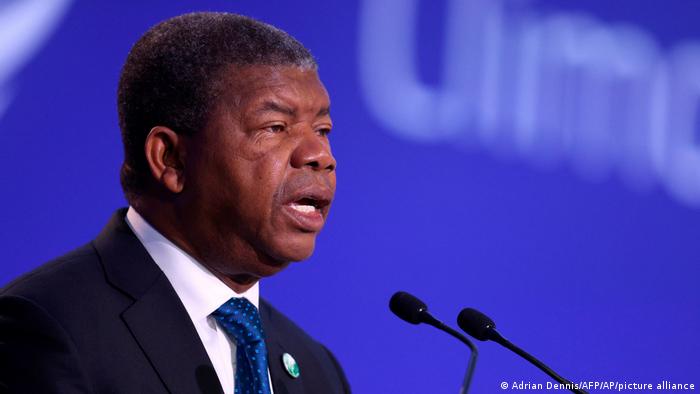
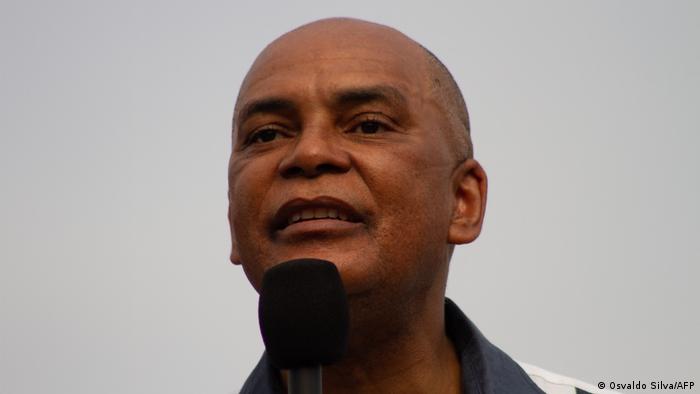
Incumbent Joao Lourenco is under pressure as the election draws near because his rival in the presidential race, Adalberto Costa Junior, is ahead in most opinion polls.
In the larger cities, where most Angolans live, and among the youth, the level of dissatisfaction with Lourenco and his government, and the desire for a political change, is pronounced.
The general election is expected to be the tightest contest since democratic elections were first introduced in 1992.
The parties and the candidates
Eight political formations — seven parties and one coalition — are vying for the 220 seats in the National Assembly.
The ruling People's Movement for the Liberation of Angola (MPLA) is headed by presidential incumbent Joao Lourenco and the opposition National Union for the Total Independence of Angola (UNITA) is headed by presidential candidate Adalberto Costa Junior.
Then there is also the National Liberation Front of Angola (FNLA), Nationalist Party for Justice in Angola (P-NJANGO), Humanist Party of Angola (PHA), Social Renewal Party (PRS), National Patriotic Alliance (APN) and Broad Convergence for the Salvation of Angola – Electoral Coalition (Casa-CE).
The top candidate of the party that wins the most votes is elected president, in accordance with Angola's Constitution. Joao Lourenco and Adelberto Costa Junior are the frontrunners in 2022.

The voters
More than 14 million voters are eligible to take part in the general election, according to the National Electoral Commission (CNE).
The election is the fourth in Angola's post-war period and the fifth electoral process since 1992. This election marks the first in which Angolans living abroad will be able to vote.
In recent weeks, civil society groups have repeatedly complained about mistakes in the electoral process. For example, millions of deceased citizens are still included in the electoral lists.
In addition, many voters have been assigned polling stations very far from their places of residence. This is especially true for Angolans in the diaspora. Read More...