Parliament called into extraordinary session over Norway's ‘energy crisis'
-
 Loading...
 - Lottienew eleanor
- 18 Aug 2022
- 82 Views
- 0 Like
- 0 Comment
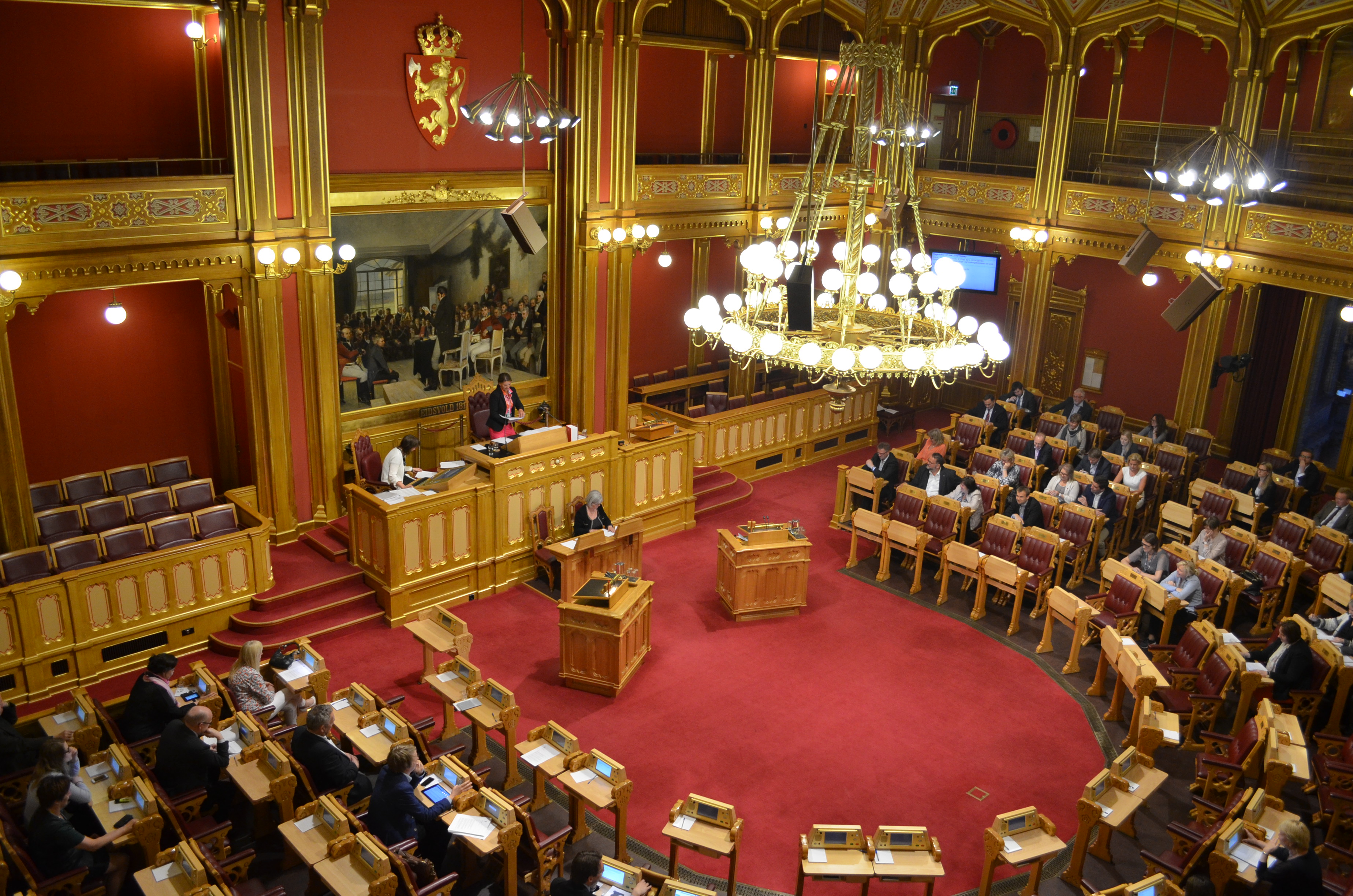
“The power situation is serious,” Parliament’s President Masud Gharahkhani told reporters after summoning MPs to what will be their first extraordinary session in more than a decade. He claimed his own Labour Party-led minority coalition government with the Center Party is taking the situation seriously: “Now we will show that we (the government and Parliament) are working together for Norwegian residents and businesses in the times we’re in.”
The meeting due to take place in mid-September is controversial itself, however, since Oil & Energy Minister Terje Aasland of the Labour Party had stated as late as Monday that he didn’t think an extraordinary session of Parliament is necessary. Both Labour and the Conservative Party, along with several other parties, agree that Norwegian businesses should now receive some form of compensation from the state to offset their extraordinary electricity costs, which have more than quadrupled for many. Norwegian households have been receiving compensation since last winter and that will continue into next year.
Opposition parties in Parliament, however, continued to complain that relief for Norwegian businesses wasn’t coming quickly enough, nor was it clear what form it would take. That prompted the Parliament’s leadership to ask Aasland and his ministry for a time plan for new measures aimed at offering relief. Progress Party leader Sylvi Listhaug seized the opportunity to claim that resorting to an extraordinary session was thus “embarrassing” for both Aasland and the government itself.
Aasland had responded to Parliament’s concerns in letters last week and on Monday that offered “an evaluation of the status and perspectives for the power situation this winter” and an “orientation of a time plan for the measures the government is working with.” He admitted to “uncertainty” over how Norway’s electricity supplies would develop in the months ahead, not least because many of the country’s own reservoirs have fallen below normal levels after an unusually dry winter, spring and summer. Read More…