Pound Euro Exchange Rate Rebounds as Russia-Ukraine Worries Hit EUR
-
 Loading...
 - Claire James
- 26 Jan 2023
- 66 Views
- 0 Like
- 0 Comment
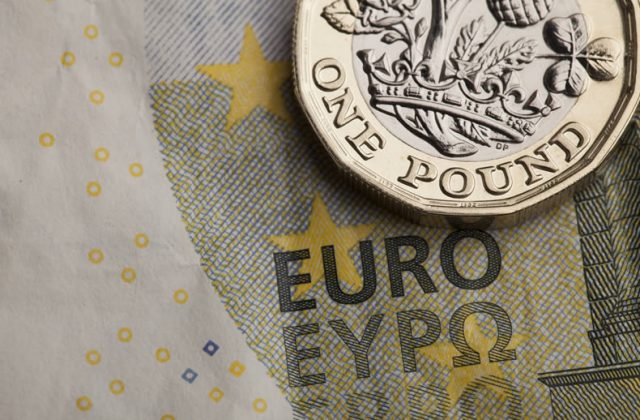
Pound Euro (GBP/EUR) Exchange Rate Recovers amid Russia-Ukraine Fears
The Pound Euro (GBP/EUR) exchange rate rebounded from a one-week low today as worries about a possible escalation in the Russia-Ukraine war pressured the Euro (EUR).
Germany confirmed that it would send 14 Leopard 2A6 tanks to Ukraine, after weeks of hesitancy, while reports also suggest the US, Finland, Spain and the Netherlands will also donate main battle tanks (MBTs). The UK and Poland had already committed to sending MBTs to Ukraine.
In response, the Russian embassy in Germany accused Berlin of taking the war ‘to a new level of confrontation’ and called the decision ‘extremely dangerous’. Fears that the donation of tanks could lead to Russian retaliation and an escalation in the war weighed heavily on the Euro.
Meanwhile, the Pound (GBP) made a surprising recovery. Bank of England (BoE) interest rate rise bets may have lent Sterling some support, with markets betting on a 75% chance of a half-point hike at the bank’s meeting a week tomorrow.
At the time of writing, the Pound Euro exchange rate has risen to €1.1346, up more than 0.4% from today’s low of €1.1294.
Original article continues below:
Pound Euro (GBP/EUR) Exchange Rate Mixed amid German Data and BoE Rate Bets
The Pound Euro (GBP/EUR) exchange rate has fluctuated this morning as it attempts to recover off a one-week low following yesterday’s dire UK PMIs. However, upbeat German data is lending the Euro (EUR) some support.
At the time of writing, GBP/EUR is trading at around €1.1332, virtually unchanged from this morning’s opening levels.
Euro (EUR) Subdued despite Upbeat German Data
The Euro is unable to find a clear direction today as investors digest Germany’s latest Ifo business climate report.
The indicator rose, as expected, from 88.6 in December to 90.2 in January. This was the fourth consecutive month of improvement and the highest reading in seven months.
Businesses in Europe’s largest economy are growing more optimistic about the year ahead, as supply issues ease, inflation cools, and the Eurozone economy regains positive momentum. Read More…