Prague’s Overcrowded Streets: 940 Vehicles Per 1,000 Residents
-
 Loading...
 - Frieda Wagner
- 30 Oct 2024
- 60 Views
- 0 Like
- 0 Comment
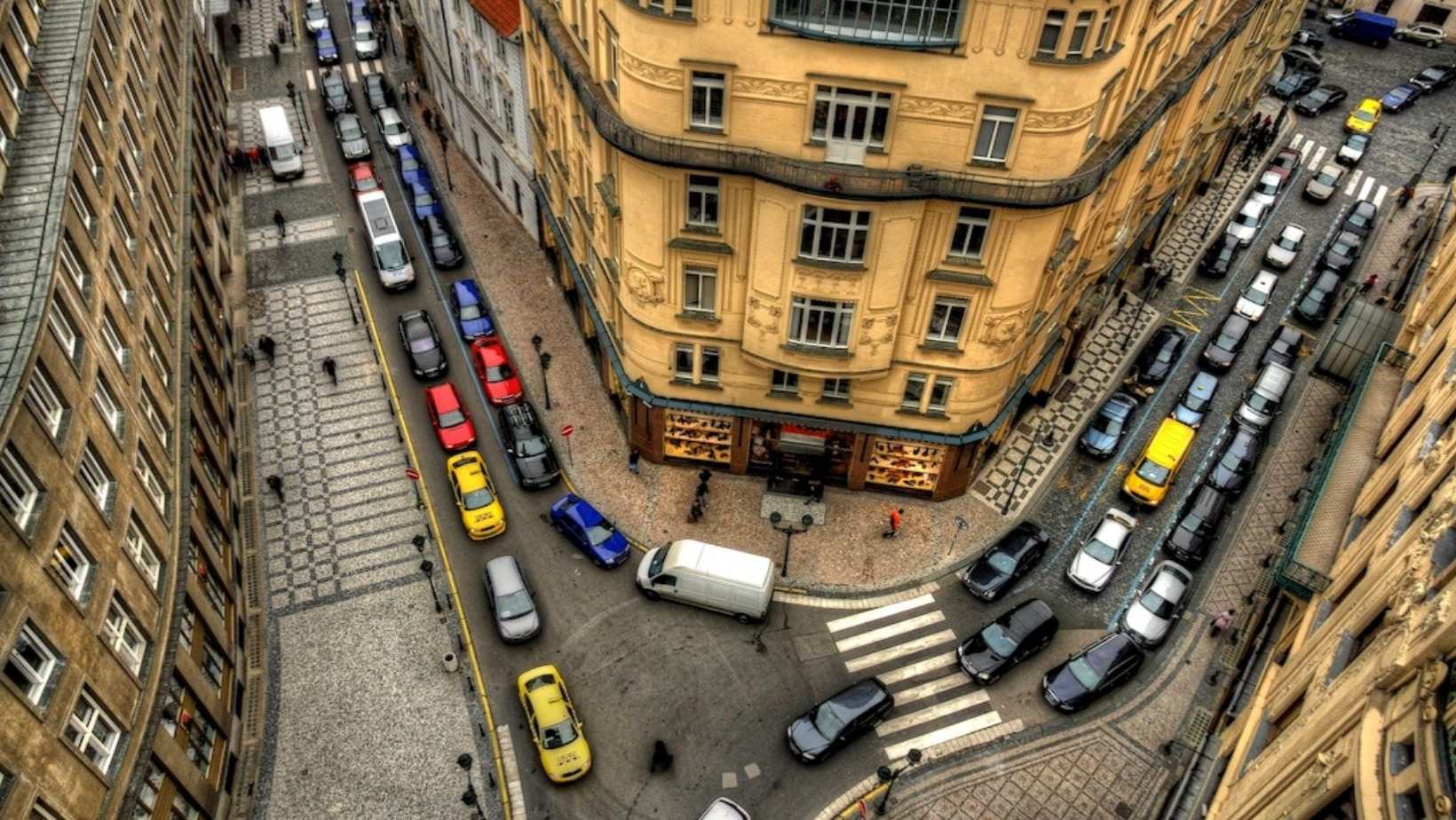
A newly released report from Prague’s Technical Road Administration (TSK) highlights the alarming state of car congestion in the Czech capital. The data reveals that for every 1,000 residents in Prague, there are an astonishing 940 vehicles on the road, creating a significant traffic burden that affects daily life and urban mobility.
Sharp Rise in Vehicle Numbers Over the Decades
The increase in vehicle numbers in Prague has been dramatic over the past few decades. In 1990, the city recorded approximately 336,000 vehicles. Fast forward to today, and that number has skyrocketed to over 1.3 million registered vehicles, with 1.04 million of those being passenger cars. This represents nearly a 300% growth over the last 34 years.
To put this into perspective, in 2010, there were around 699,630 passenger cars in Prague. By 2020, this figure had surged to 925,716. The latest data indicates that for every 1,000 inhabitants, there are now 750 passenger cars, resulting in an average of 1.3 people per car. This high ratio underscores the reliance on personal vehicles for transportation in the city.
Passenger Cars Dominate Prague’s Roads
Passenger cars are the predominant mode of transport in Prague, accounting for a staggering 91% of the total distance driven across the city. On an average weekday, these vehicles cover approximately 21.1 million vehicle kilometers. When considering all types of motor vehicles, the total distance driven reaches 23.2 million kilometers, highlighting the significant impact of private cars on Prague’s road network.
Barrandov Bridge: Prague’s Busiest Road
Among the city’s roadways, Barrandov Bridge stands out as the busiest, with an average of 142,000 vehicles traversing it daily. Other major thoroughfares include Jižní spojka and Strakonická street, where sections between Barrandovský most and Dobříšská see around 125,000 vehicles each day.
In terms of bridges, Barrandovský most, affectionately known as “Barranďák,” is the most trafficked, followed by Hlávkův Bridge with 67,000 vehicles and Radotín Bridge with 62,000 vehicles daily. Tunnel routes also experience heavy traffic, with the Dejvice tunnel leading at 96,000 vehicles per day, followed by the Brusnice, Zlíchov, and Bubeneč tunnels.
Intersection Hotspots and Traffic Trends
The most congested intersection in Prague is located at 5. května – Jižní spojka, where a staggering 214,000 vehicles pass daily. Other busy intersections include Chodovská and Barrandovský most, both of which experience heavy traffic. The intersection of Barrandov Bridge and Strakonická records nearly 191,000 vehicles daily, further illustrating the congestion challenges faced by the city.
Interestingly, while some areas are seeing increased vehicle counts, traffic entering the central parts of Prague has decreased by 3.4%, with an average of 250,000 vehicles entering daily in 2023. In contrast, the outer city ring has experienced a 4.1% increase in traffic, with 346,000 vehicles now passing along this route, the majority of which (approximately 302,000) are passenger cars.
Implications and Future Considerations
The findings from the TSK report raise important questions about urban planning, public transportation, and environmental sustainability in Prague. The high number of vehicles per resident indicates a heavy reliance on personal cars, which can lead to increased air pollution, noise, and traffic-related stress.
As the city grapples with these challenges, there may be a need for enhanced public transportation options, improved cycling infrastructure, and policies aimed at reducing car dependency. Encouraging a shift towards more sustainable modes of transport could alleviate congestion and improve the overall quality of life for residents.
In conclusion, while Prague's vehicle numbers reflect a vibrant urban environment, they also highlight the pressing need for strategic planning and innovative solutions to manage traffic and promote sustainable mobility in the city.