Life Inside Paraguay’s Overcrowded Prisons
-
 Loading...
 - Naunet Abdo
- 07 Nov 2024
- 47 Views
- 0 Like
- 0 Comment
Paraguay’s prison system faces significant challenges, marked by severe overcrowding, inadequate facilities, and limited resources for inmate rehabilitation. With the country’s correctional facilities operating far beyond their capacity, the daily lives of those incarcerated are shaped by difficult conditions, strained resources, and limited access to services. Understanding life within Paraguay’s prisons offers insight into a system under pressure and the urgent need for reform.
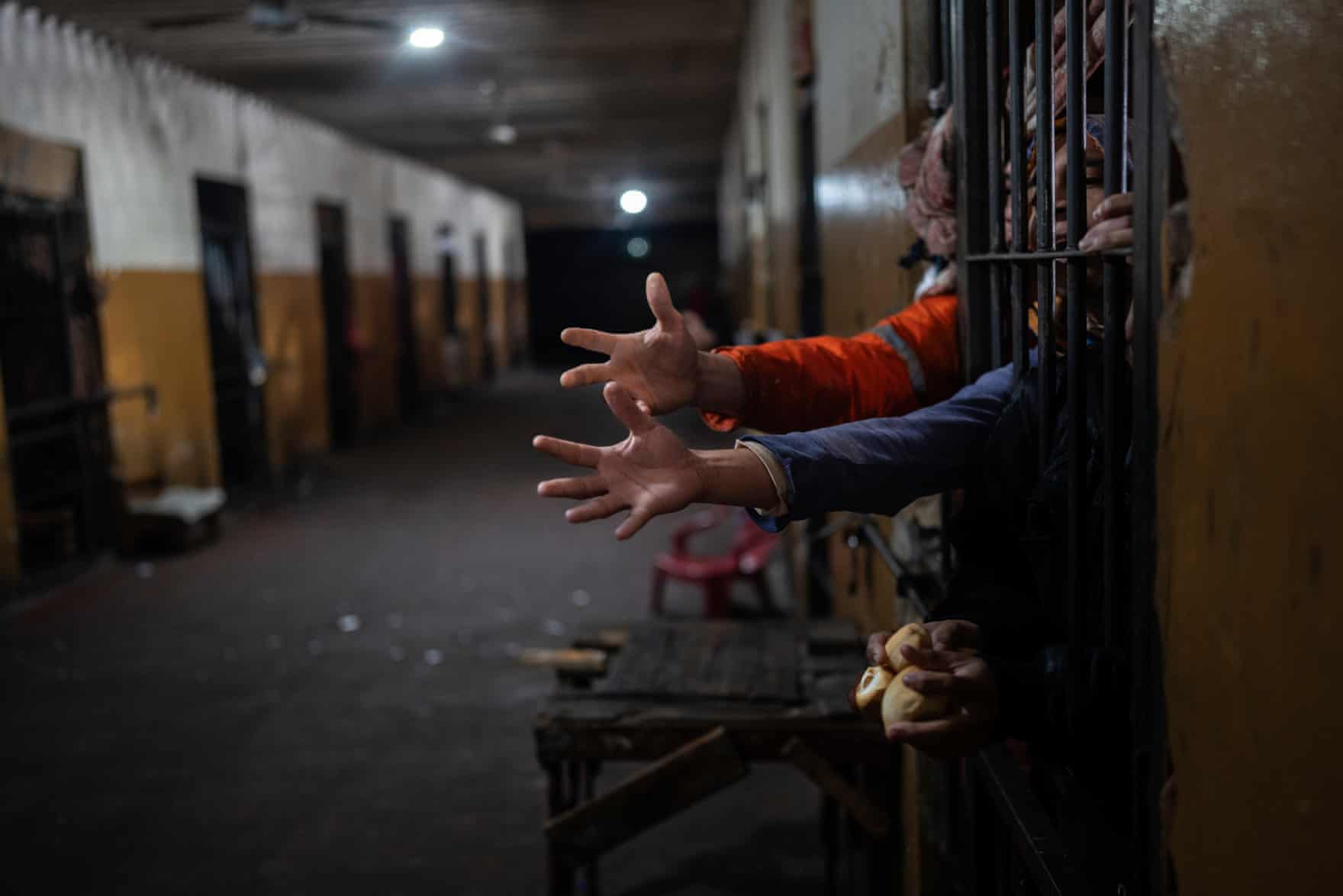
The primary challenge facing Paraguay’s prison system is overcrowding. Many of Paraguay’s prisons operate at over double their capacity, leading to congested cells, insufficient beds, and unsanitary living conditions. This congestion often results in inmates sleeping in hallways, sharing small spaces with inadequate ventilation, and facing limited access to necessities like clean water and sanitation.
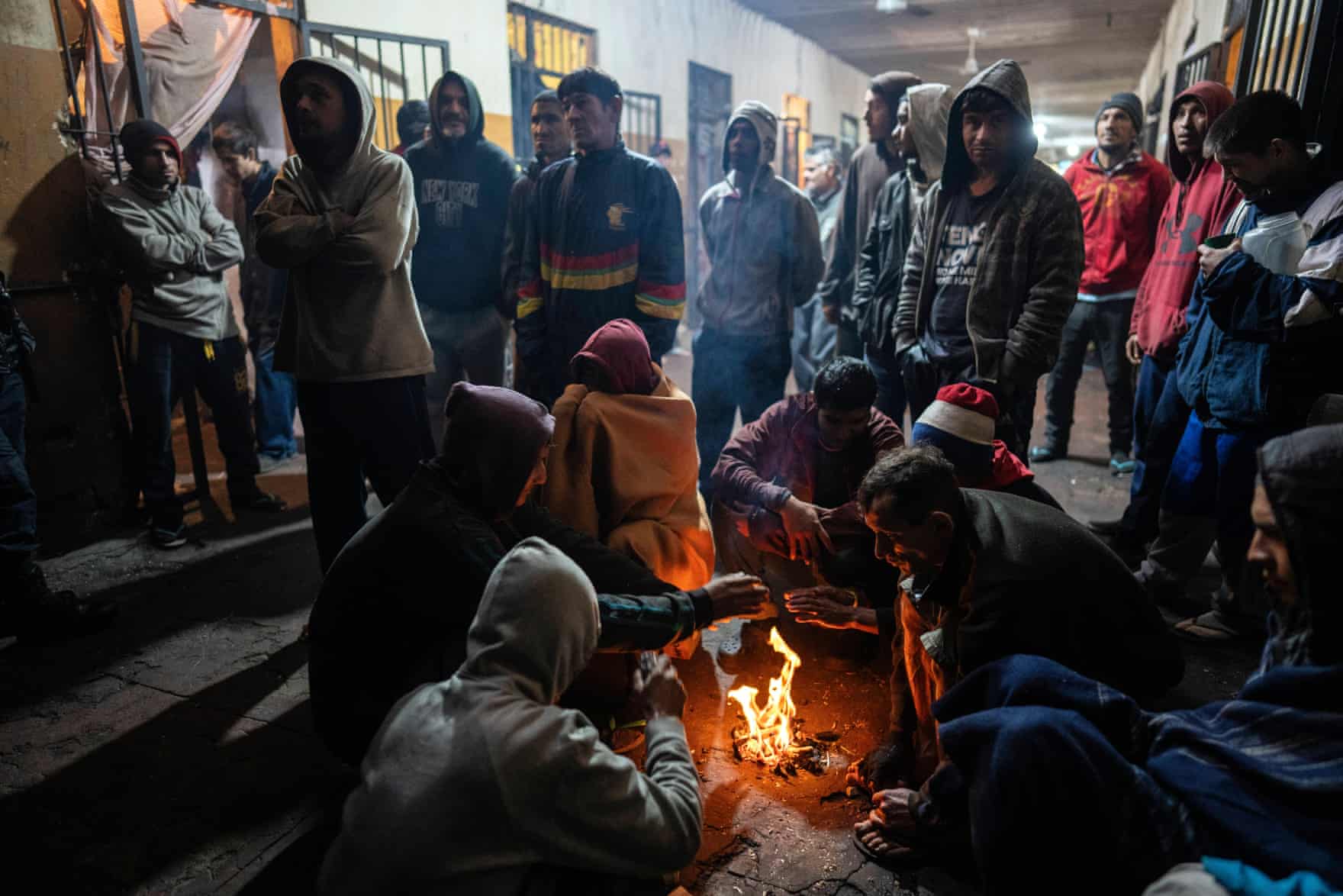
According to reports, the population within these facilities continues to rise, with both convicted individuals and those awaiting trial confined together, further straining the system. This mix often exacerbates tensions, as individuals with varying criminal backgrounds and sentences share the same overcrowded spaces.
Life in Paraguay’s prisons is shaped by a range of challenges, from access to food and healthcare to safety concerns. Here’s a closer look at the daily realities inmates face:
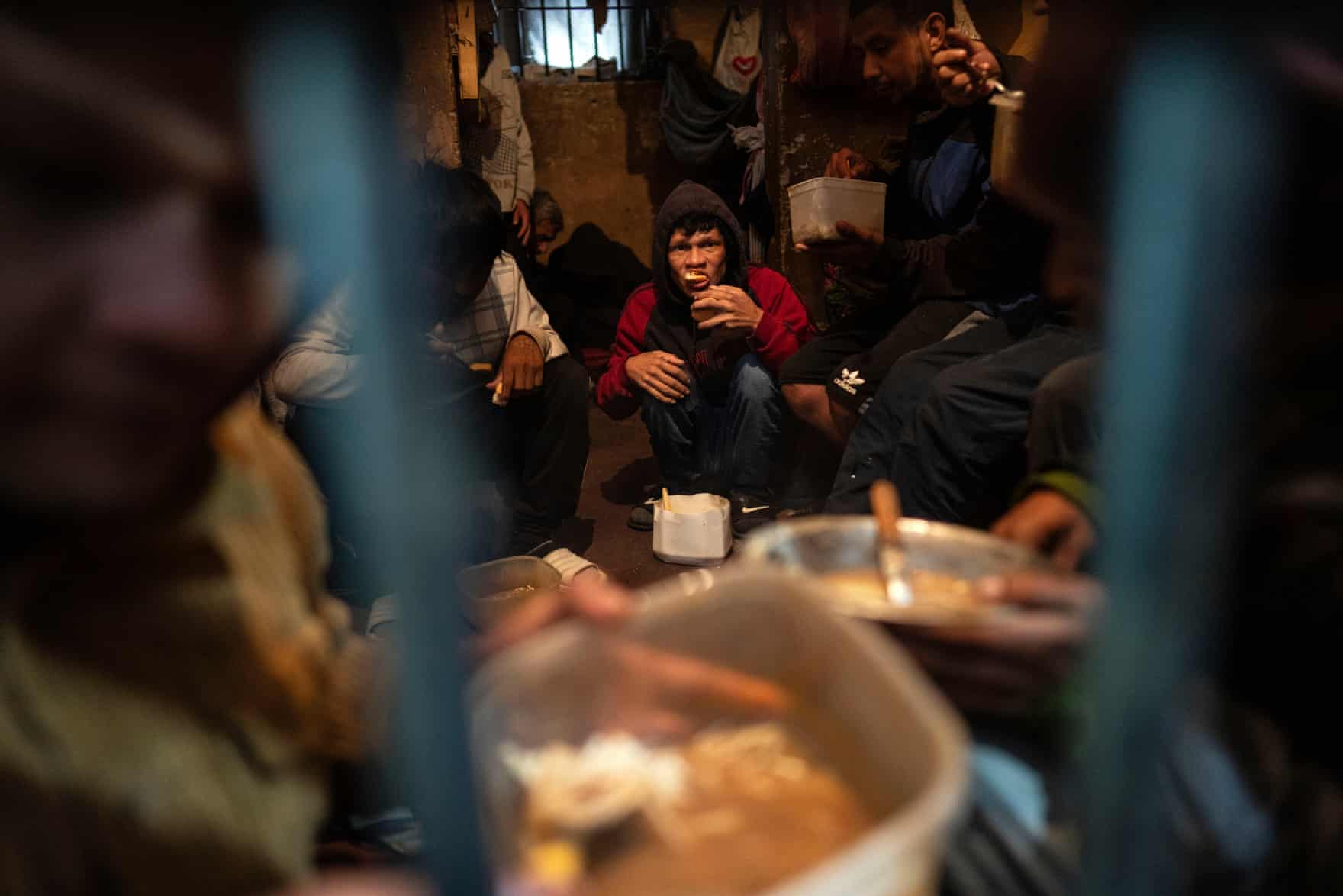
1. Inadequate Food and Basic Resources
Limited budgets and overcrowding result in inadequate meal provisions, leaving many inmates malnourished or relying on family members for supplemental food. The lack of sufficient basic necessities often creates a dependency on external support and can lead to the development of informal economies within prisons, where inmates trade goods for additional food or services.
2. Health and Sanitation Concerns
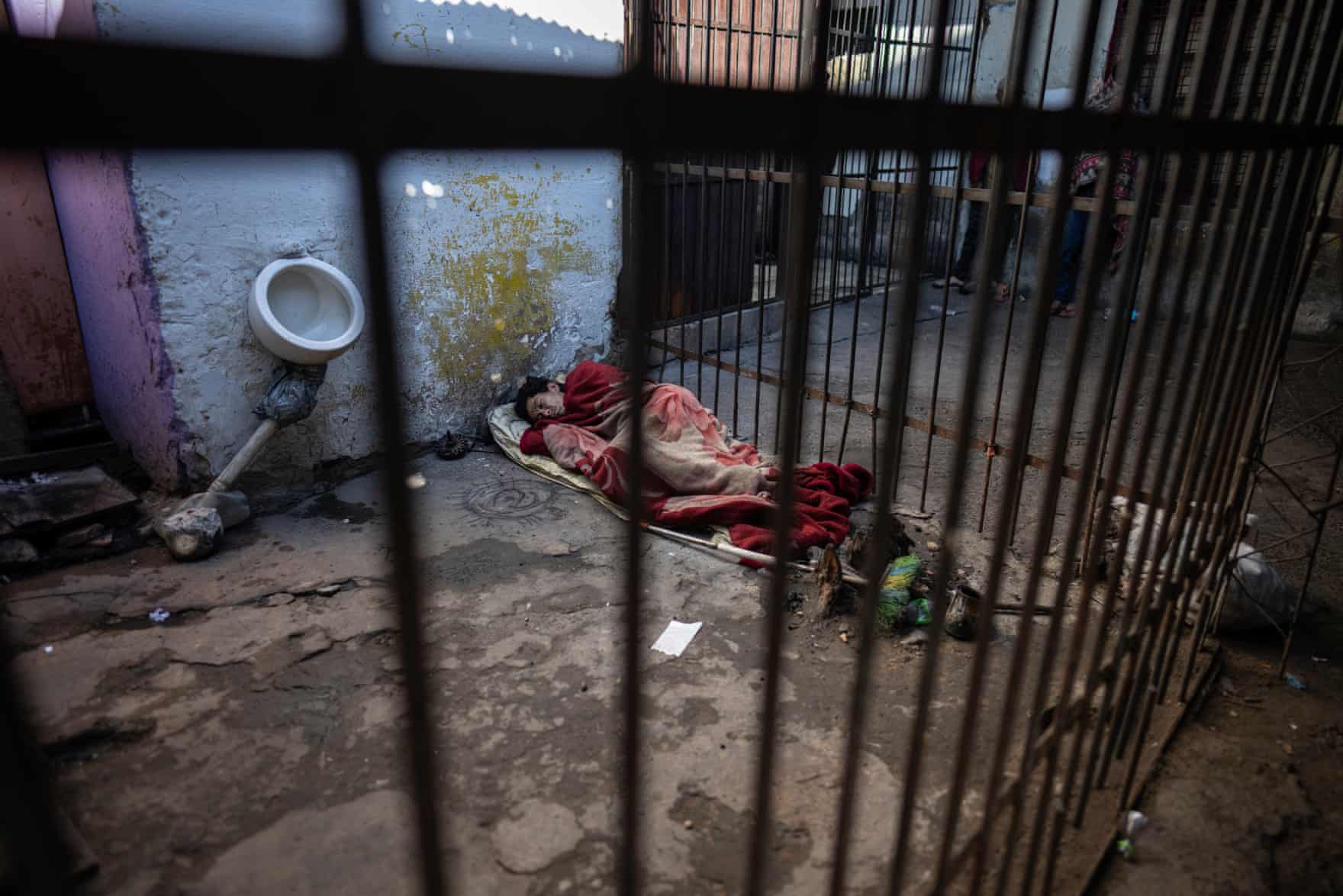
Overcrowded conditions and inadequate sanitation facilities contribute to the spread of diseases. Limited access to medical care makes it challenging to control infections, leading to higher rates of respiratory infections, skin diseases, and other illnesses. Mental health resources are also scarce, with many inmates experiencing the psychological toll of living in such confined, stressful environments.
3. Safety and Violence Among Inmates
Overcrowding, combined with limited supervision, leads to frequent incidents of violence within the prison population. Gangs often hold considerable influence in Paraguayan prisons, creating a hierarchy among inmates that can lead to intimidation, extortion, and physical confrontations. These gangs frequently control various aspects of prison life, from distributing resources to organizing smuggling networks, creating a dangerous environment for non-affiliated inmates.
4. Poor Facilities and Lack of Rehabilitation Programs
Most facilities in Paraguay’s prison system are outdated and not equipped to handle the current volume of inmates. This lack of infrastructure results in deteriorating living conditions and limits the availability of education or vocational training programs that could support inmate rehabilitation. Without these programs, prisoners often leave the system unprepared to reintegrate into society, perpetuating cycles of crime and recidivism.
The Impact on Families and Communities
Families of inmates face hardships as well, often shouldering the responsibility of providing food, hygiene products, and other essentials for their relatives in prison. Visiting conditions are often challenging, with overcrowded visitation spaces and restricted access. This strain affects not only the families but also the larger communities, as a lack of rehabilitation efforts can lead to higher rates of repeat offenses.
Efforts Toward Reform and Rehabilitation
The Paraguayan government has acknowledged the critical state of its prison system and has taken steps toward implementing reforms. Recent initiatives include constructing new facilities to relieve overcrowding, investing in rehabilitation programs, and exploring alternative sentencing options, such as community service or electronic monitoring for non-violent offenders. However, these reforms require time, resources, and commitment to address the systemic issues deeply rooted in Paraguay’s correctional system.
Addressing the Root Causes of Overcrowding
To improve the conditions within Paraguay’s prisons, systemic changes are essential. Addressing the root causes of overcrowding, such as high pretrial detention rates and a lack of alternatives for low-risk offenders, could alleviate some of the strain on the system. Investing in rehabilitation, education, and mental health programs within prisons is also critical to help inmates reintegrate into society and reduce recidivism.
Life inside Paraguay’s overcrowded prisons reveals the complex challenges facing the country’s correctional system. Overcrowding, inadequate facilities, limited resources, and lack of rehabilitation programs create harsh conditions for inmates and contribute to broader social issues. While efforts toward reform are underway, a comprehensive approach is necessary to create meaningful change. Through targeted improvements in infrastructure, health services, and rehabilitation opportunities, Paraguay can build a more humane and effective correctional system, ultimately benefiting both inmates and society as a whole.