Printing human tissues to studying ovaries: New science headed to space
-
 Loading...
 - Akash Basu
- 18 Oct 2022
- 74 Views
- 0 Like
- 0 Comment
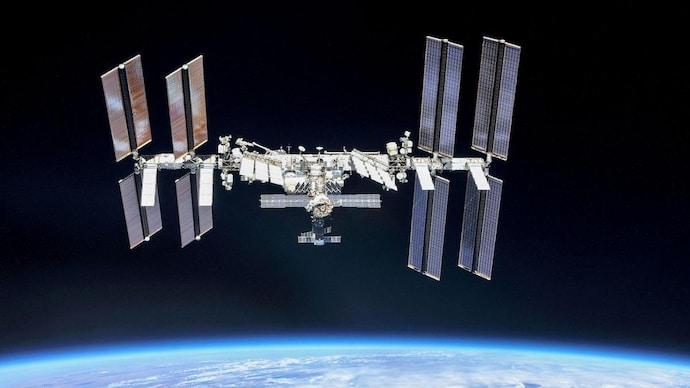
With the new crew taking on their roles in space and adjusting to life in zero gravity for the next few months, Nasa is planning to launch the next resupply mission to the International Space Station (ISS). The Cygnus spacecraft carrying new scientific research will lift off on November 6 from the Mid-Atlantic Regional Spaceport in Virginia.
The scientific investigations will deal with areas of plant mutations and mudflow structure along with a demonstration of camera technology and small satellites from Japan, Uganda, and Zimbabwe. The flying laboratory has been home to thousands of research that are aimed not only at space exploration but also benefitting people living on the planet, especially in the field of medical science.
What research is headed to space?
Nasa will launch its BioFabrication Facility that in 2019 successfully printed a partial human knee meniscus and a large volume of human heart cells. The technology is being re-flown to space with new capabilities to test whether microgravity enables the printing of tissue samples of higher quality than those printed on the ground.

“The research being conducted with BFF has exciting implications for the future of human health. Besides providing a clear benefit to our lives on Earth, advancing this technology on the International Space Station now is a great way to prepare for work on the commercial space stations of the future, which could be outfitted with critical research technology such as BFF,” John Vellinger of In-Space Manufacturing and Operations said. Read More...