Strange shift beneath Antarctic glacier may reflect Jupiter's icy moon
-
 Loading...
 - Walker Hughes
- 03 Mar 2023
- 61 Views
- 0 Like
- 0 Comment
A NASA-funded robot named Icefin has revealed a never-before-seen change in scenery.
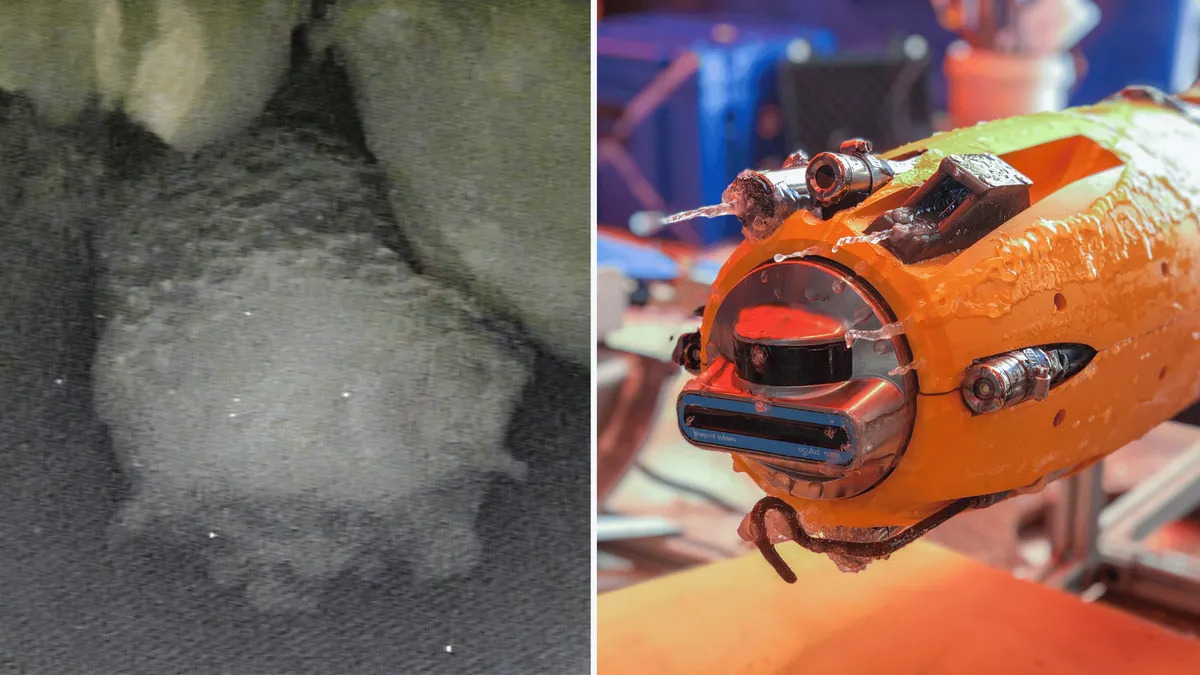
Cameras on a robot named Icefin deployed beneath the ice of the Kamb Ice Stream, where it meets the Ross Ice Shelf in western Antarctica, have revealed a sudden change in scenery, according to a study published in Nature on March 2.
A change from 'smooth, cloudy meteoric ice walls suddenly to green and rougher in texture, transitioning to salty marine ice, was described by researchers.
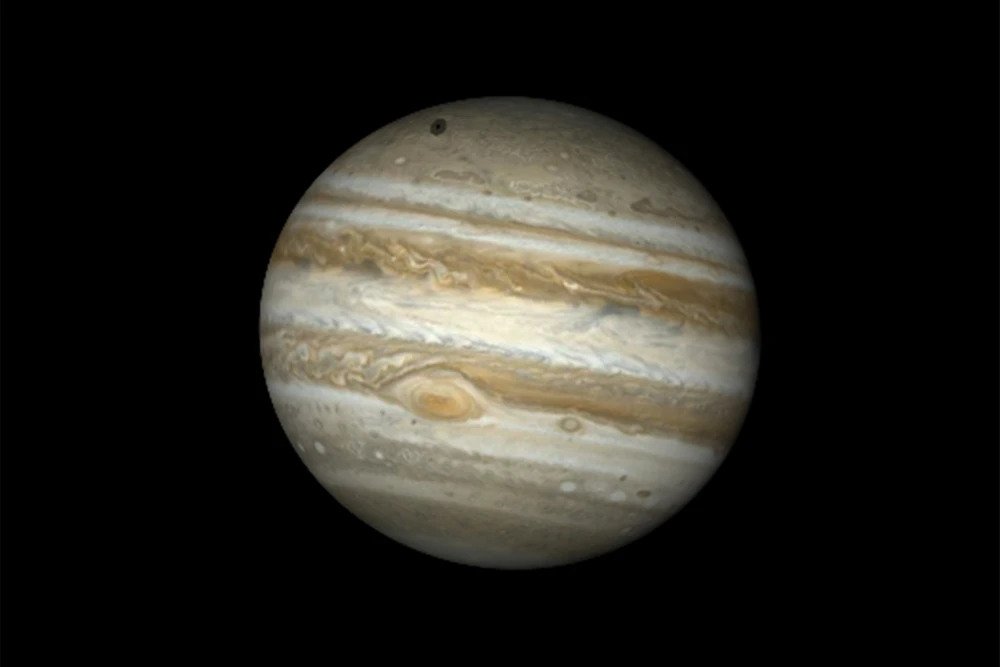
And that's not all. They believe that marine ice similar to this may be an analog for conditions on Jupiter's icy moon Europa, which NASA's Europa Clipper orbital mission will explore beginning in 2024. Significantly, the findings may inform future lander missions to one day conduct a direct search for microbial life in the ice.
"And then it just got weirder as we went higher up"
The change, according to the U.S.-New Zealand study team, is proof of "ice pumping"—a mechanism that has never before been seen directly in an ice shelf but is crucial to the stability of its structure.
"We were looking at ice that had just melted less than 100 feet below, flowed up into the crevasse, and then refrozen," said co-author Justin Lawrence in a press release. "And then it just got weirder as we went higher up."
The team saw various ice features that revealed essential details regarding water mixing and melt rates. The "weirder" formations were located near the top of the chasm and comprised globs of ice and finger-like protrusions that resembled brinicles. Structures in other ice sheet areas contained ripples, vertical runnels, and dimples resembling golf balls. Read More…