Home Upload Photo Upload Videos Write a Blog Analytics Messaging Streaming Create Adverts Creators Program
Bebuzee Afghanistan Bebuzee Albania Bebuzee Algeria Bebuzee Andorra Bebuzee Angola Bebuzee Antigua and Barbuda Bebuzee Argentina Bebuzee Armenia Bebuzee Australia Bebuzee Austria Bebuzee Azerbaijan Bebuzee Bahamas Bebuzee Bahrain Bebuzee Bangladesh Bebuzee Barbados Bebuzee Belarus Bebuzee Belgium Bebuzee Belize Bebuzee Benin Bebuzee Bhutan Bebuzee Bolivia Bebuzee Bosnia and Herzegovina Bebuzee Botswana Bebuzee Brazil Bebuzee Brunei Bebuzee Bulgaria Bebuzee Burkina Faso Bebuzee Burundi Bebuzee Cabo Verde Bebuzee Cambodia Bebuzee Cameroon Bebuzee Canada Bebuzee Central African Republic Bebuzee Chad Bebuzee Chile Bebuzee China Bebuzee Colombia Bebuzee Comoros Bebuzee Costa Rica Bebuzee Côte d'Ivoire Bebuzee Croatia Bebuzee Cuba Bebuzee Cyprus Bebuzee Czech Republic Bebuzee Democratic Republic of the Congo Bebuzee Denmark Bebuzee Djibouti Bebuzee Dominica Bebuzee Dominican Republic Bebuzee Ecuador Bebuzee Egypt Bebuzee El Salvador Bebuzee Equatorial Guinea Bebuzee Eritrea Bebuzee Estonia Bebuzee Eswatini Bebuzee Ethiopia Bebuzee Fiji Bebuzee Finland Bebuzee France Bebuzee Gabon Bebuzee Gambia Bebuzee Georgia Bebuzee Germany Bebuzee Ghana Bebuzee Greece Bebuzee Grenada Bebuzee Guatemala Bebuzee Guinea Bebuzee Guinea-Bissau Bebuzee Guyana Bebuzee Haiti Bebuzee Honduras Bebuzee Hong Kong Bebuzee Hungary Bebuzee Iceland Bebuzee India Bebuzee Indonesia Bebuzee Iran Bebuzee Iraq Bebuzee Ireland Bebuzee Israel Bebuzee Italy Bebuzee Jamaica Bebuzee Japan Bebuzee Jordan Bebuzee Kazakhstan Bebuzee Kenya Bebuzee Kiribati Bebuzee Kuwait Bebuzee Kyrgyzstan Bebuzee Laos Bebuzee Latvia Bebuzee Lebanon Bebuzee Lesotho Bebuzee Liberia Bebuzee Libya Bebuzee Liechtenstein Bebuzee Lithuania Bebuzee Luxembourg Bebuzee Madagascar Bebuzee Malawi Bebuzee Malaysia Bebuzee Maldives Bebuzee Mali Bebuzee Malta Bebuzee Marshall Islands Bebuzee Mauritania Bebuzee Mauritius Bebuzee Mexico Bebuzee Micronesia Bebuzee Moldova Bebuzee Monaco Bebuzee Mongolia Bebuzee Montenegro Bebuzee Morocco Bebuzee Mozambique Bebuzee Myanmar Bebuzee Namibia Bebuzee Nauru Bebuzee Nepal Bebuzee Netherlands Bebuzee New Zealand Bebuzee Nicaragua Bebuzee Niger Bebuzee Nigeria Bebuzee North Korea Bebuzee North Macedonia Bebuzee Norway Bebuzee Oman Bebuzee Pakistan Bebuzee Palau Bebuzee Panama Bebuzee Papua New Guinea Bebuzee Paraguay Bebuzee Peru Bebuzee Philippines Bebuzee Poland Bebuzee Portugal Bebuzee Qatar Bebuzee Republic of the Congo Bebuzee Romania Bebuzee Russia Bebuzee Rwanda Bebuzee Saint Kitts and Nevis Bebuzee Saint Lucia Bebuzee Saint Vincent and the Grenadines Bebuzee Samoa Bebuzee San Marino Bebuzee São Tomé and Príncipe Bebuzee Saudi Arabia Bebuzee Senegal Bebuzee Serbia Bebuzee Seychelles Bebuzee Sierra Leone Bebuzee Singapore Bebuzee Slovakia Bebuzee Slovenia Bebuzee Solomon Islands Bebuzee Somalia Bebuzee South Africa Bebuzee South Korea Bebuzee South Sudan Bebuzee Spain Bebuzee Sri Lanka Bebuzee Sudan Bebuzee Suriname Bebuzee Sweden Bebuzee Switzerland Bebuzee Syria Bebuzee Taiwan Bebuzee Tajikistan Bebuzee Tanzania Bebuzee Thailand Bebuzee Timor-Leste Bebuzee Togo Bebuzee Tonga Bebuzee Trinidad and Tobago Bebuzee Tunisia Bebuzee Turkey Bebuzee Turkmenistan Bebuzee Tuvalu Bebuzee Uganda Bebuzee Ukraine Bebuzee United Arab Emirates Bebuzee United Kingdom Bebuzee Uruguay Bebuzee Uzbekistan Bebuzee Vanuatu Bebuzee Venezuela Bebuzee Vietnam Bebuzee World Wide Bebuzee Yemen Bebuzee Zambia Bebuzee Zimbabwe
Blog Image

Pro Tips for Capturing Wildlife Portraits on Safari

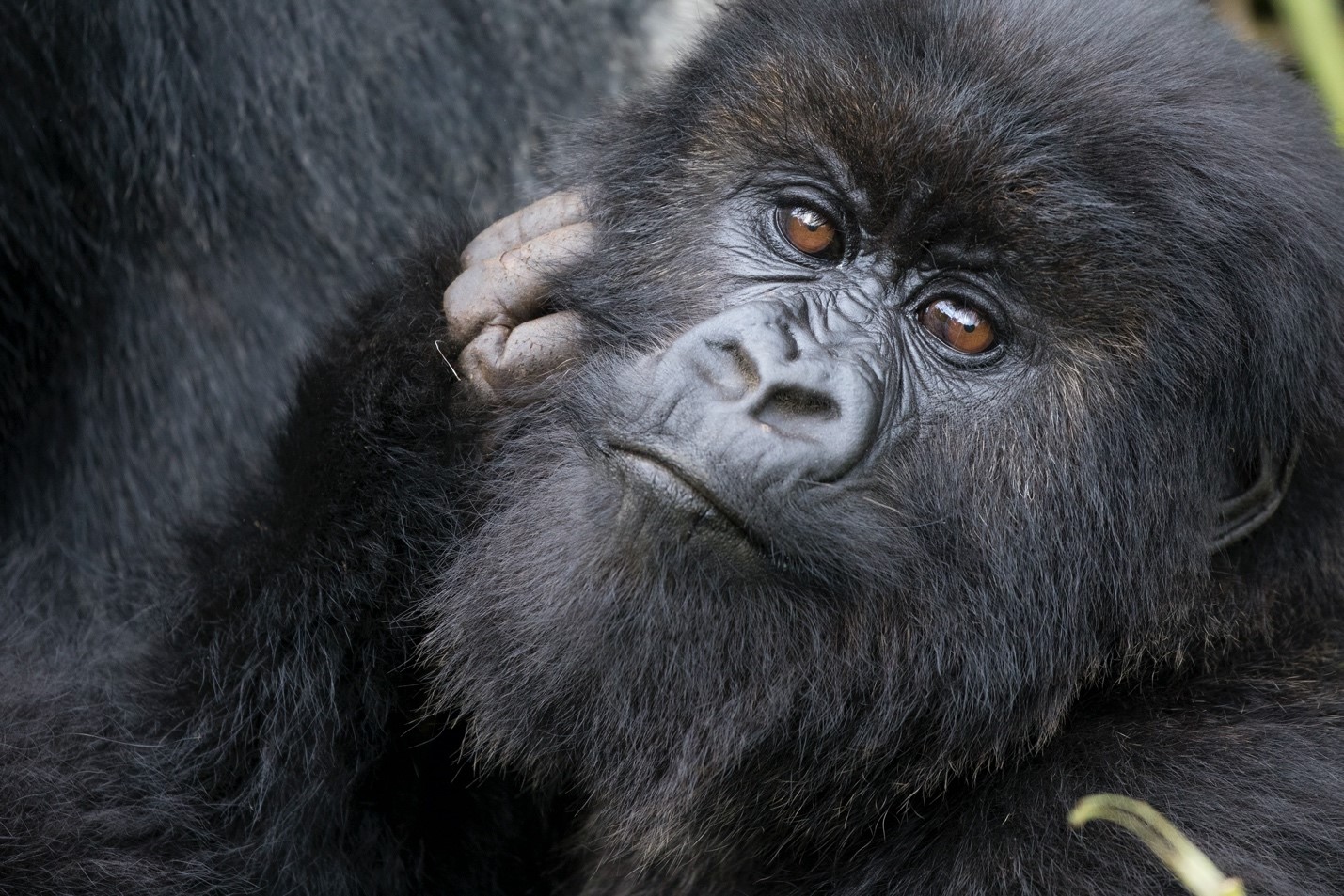
Wildlife portraits are usually the most sought-after form of nature photography, as they feature charismatic wildlife in big, bold glory.

And speaking of big, charismatic wildlife, what’s more extraordinary than the wildlife of Africa and joining a dedicated photo safari to capture their splendor in the best ways possible?

So today, we’re discussing how to combine the brilliance of African safari wildlife with the venerable approach of wildlife portrait photography to create true works of art. The best part is that that are as fun to create as they are to view (and show off) after the trip

Choose the right lens

To get great portraits, you have to have a great quality lens.  Because so much of strong portraiture is in the sharpness and inherent contrast in the scene, a good lens will go a long way.  However, beyond just a top quality lens, you’ll want to use a lens that is capable of shallow depths of field.

A shallow depth of field is key in portrait photography, as it helps isolate the subject from the background (or foreground) to minimize distractions. The blurred background also makes the subject pop and seem even sharper because of that juxtaposition of blur and sharpness.
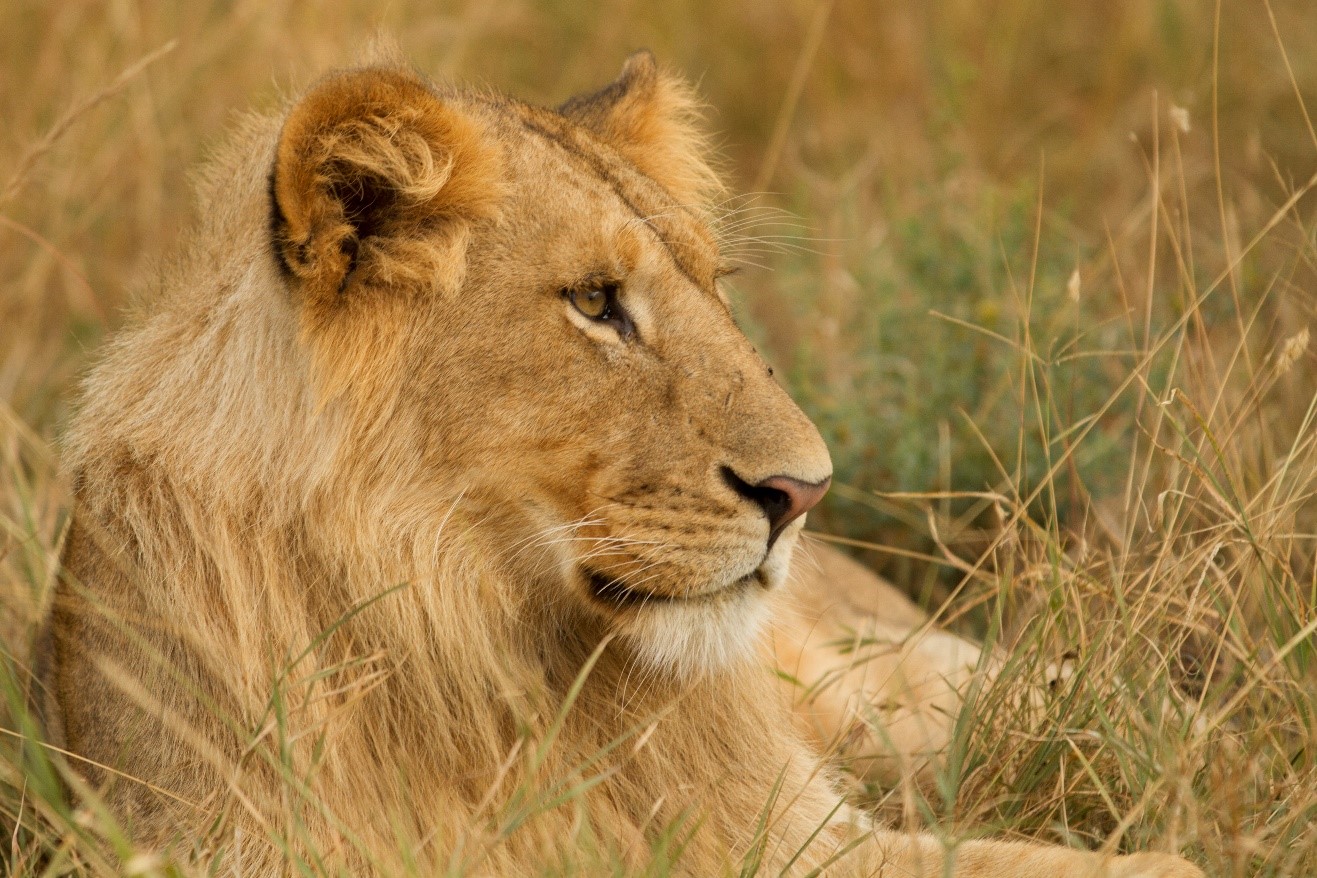
There are so, so many lenses to choose out there, but the very best for portraiture will be in the f/4 or f/2.8 range.  However, these are often cost prohibitive when you’re looking at focal lengths in the 300, 400, and 500mm range.  Thus, most wildlife safari lenses will be closer to f/5.6 at their smallest f/number.  While f/4 is better, f/5.6 when used correctly, can be excellent as well.

Dial in the right settings

It may seem obvious based on the previous section, but you’ll want to set your aperture on the smallest f/number (aka, biggest aperture) to maximize that shallow depth of field.  Fortunately, this will also give you more light in your camera, so if you’re shooting at low-light times of day like dawn or dusk, you get a boost in shutter speed due to the big aperture. It’s a two-fold benefit!

Your other key settings, like ISO and shutter speed really just “need to work” in order to support the aperture.  Thus, you don’t need to over think it. Per the norm, you’ll need to shoot fast enough to freeze motion and keep your ISOs as low as possible.

You’ll also want to have your camera on burst mode so that you take as many photos per second as possible. The slightest change in the animal’s expression can make or break your favorite photo.
Get the right composition

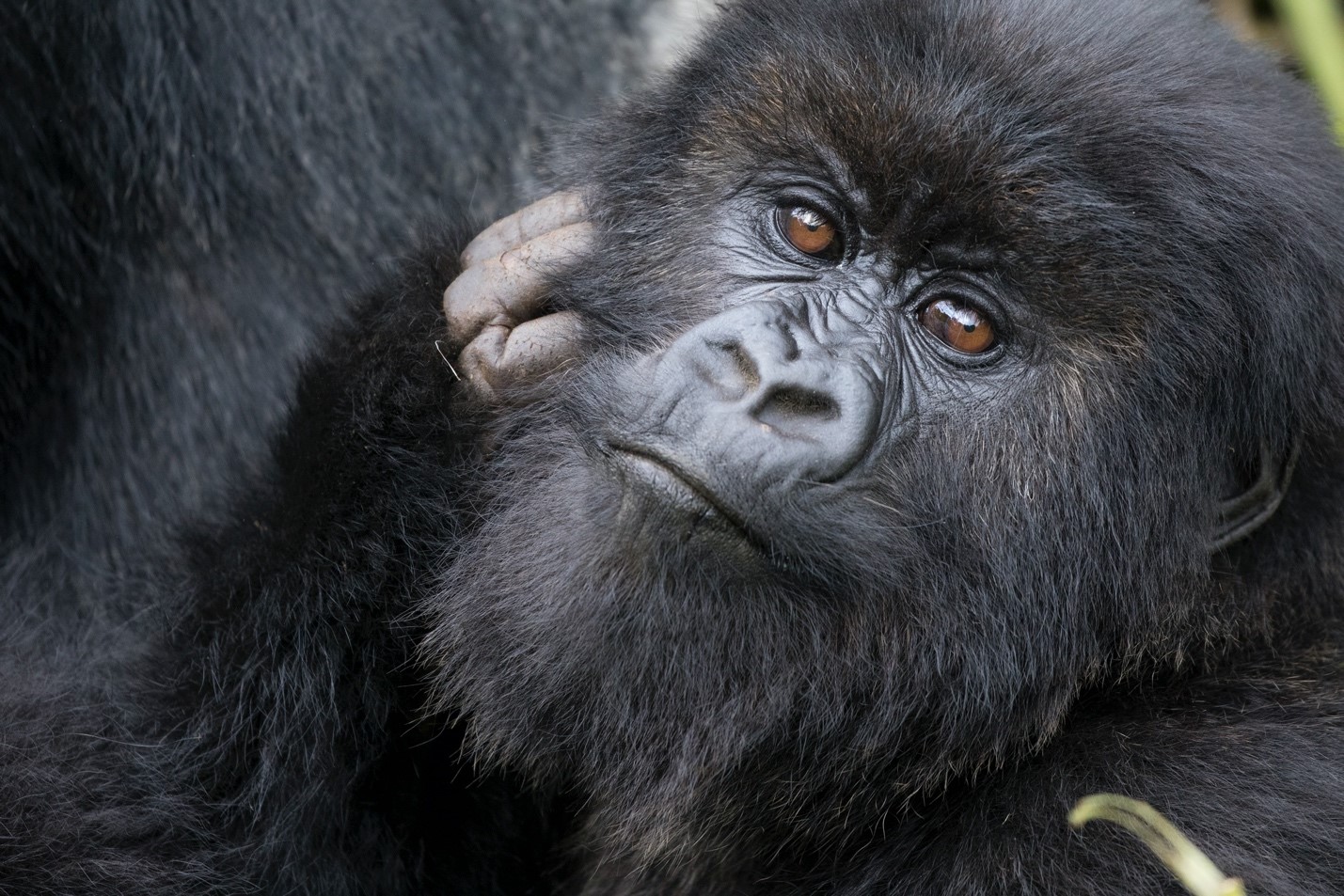
Just because you’re filling the frame with an amazing animal doesn’t mean you can ignore time-tested rules of composition.

Be sure to frame your shot adhering to the rule of thirds (or close to it) for maximum impact. Rules are always meant to be broken, but in the case of wildlife portraiture, there isn’t as much flexibility because you are zeroing in so close to just part of the animal (usually its face).  Doing things like exaggerating composition or other rule-breaking techniques doesn’t apply quite as much here.
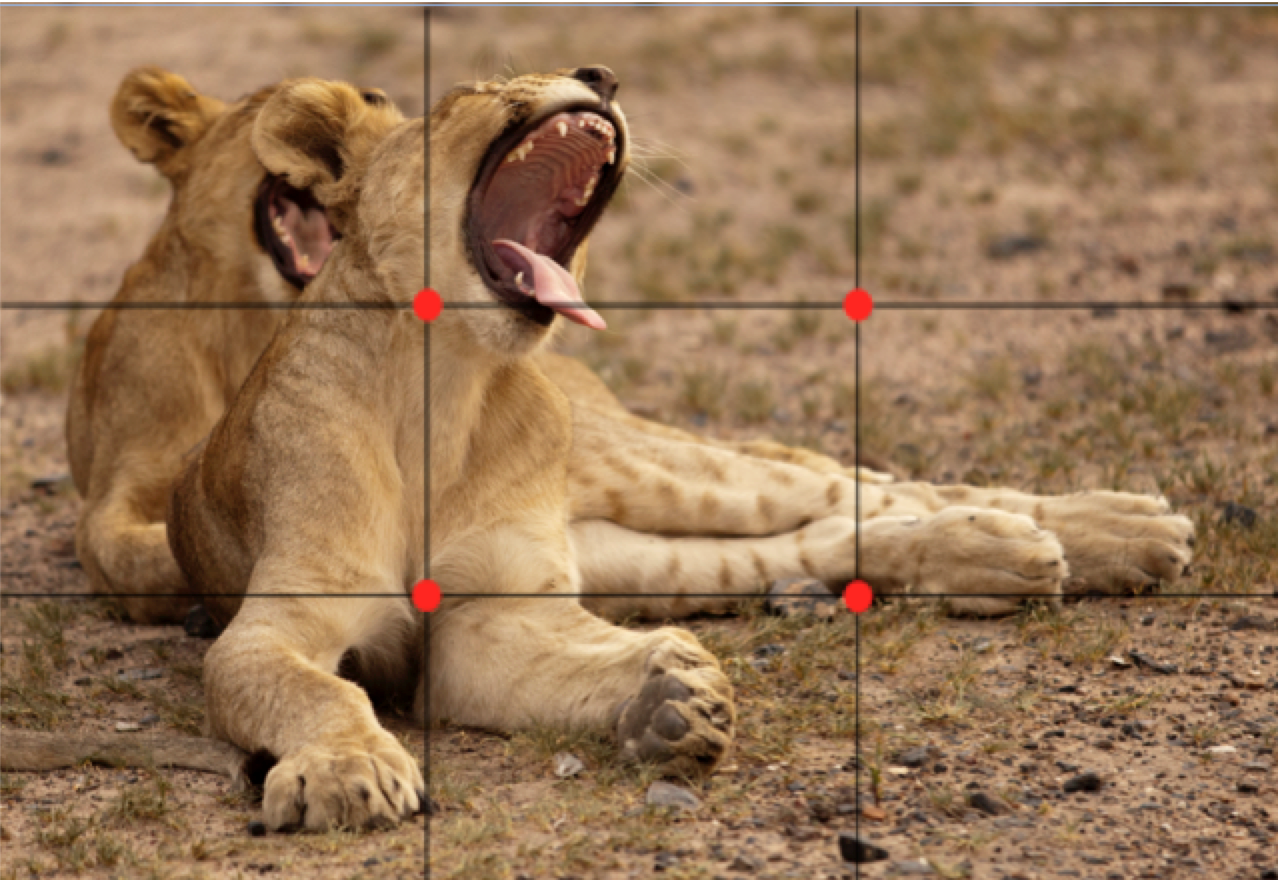
The key thing here is to try and position the eye (if visible) of the animal somewhere near the intersecting lines of the rule-of-thirds grid.  Do this, and you’re golden 99% of the time. Read More…

 

Previous Post

How to Use a DSLR Camera: Basic Guide for Beginners

Next Post

Photographing the Diverse Wildlife of Kenya's Masai Mara

Comments