Progress in Inclusive Education in North Macedonia: A Call to Accelerate Reforms
-
 Loading...
 - Hannelore Gilbert
- 07 Apr 2025
- 178 Views
- 0 Like
- 0 Comment
Recent advancements in inclusive education in North Macedonia serve as a beacon of hope and a compelling motivation to further accelerate necessary reforms in the educational sector. As the country continues to strive for a more equitable and accessible education system, the progress made thus far highlights both the potential for positive change and the urgent need for sustained efforts.
Achievements in Inclusive Education
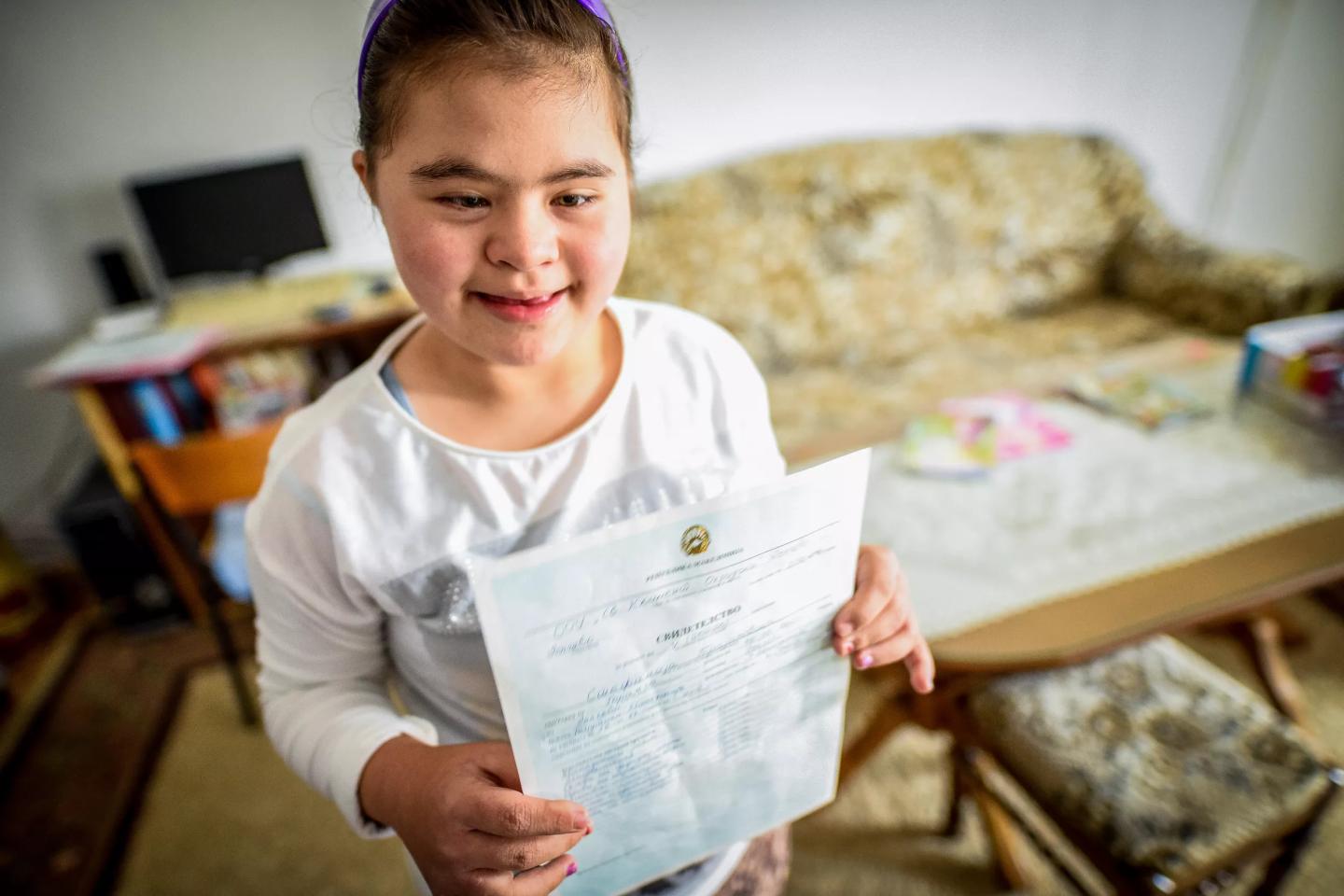
North Macedonia has made notable strides in promoting inclusive education, which aims to provide all students, regardless of their abilities or backgrounds, with equal opportunities to learn and thrive. Initiatives have been implemented to integrate students with disabilities into mainstream classrooms, fostering an environment where diversity is celebrated and supported. Training programs for teachers, the development of inclusive curricula, and the establishment of support services have all contributed to this progress.
These efforts have not only benefited students with disabilities but have also enriched the educational experience for all learners. By embracing inclusive practices, schools are cultivating a culture of understanding, empathy, and collaboration among students, which is essential for building a cohesive society.
The Need for Continued Reform
While the progress in inclusive education is commendable, it is crucial to recognize that there is still much work to be done. Many challenges remain, including insufficient resources, inadequate training for educators, and lingering societal stigmas surrounding disabilities. To fully realize the potential of inclusive education, North Macedonia must prioritize reforms that address these issues head-on.
Accelerating reforms should involve a multi-faceted approach, including:
- Enhanced Teacher Training: Providing comprehensive training for educators on inclusive teaching strategies and classroom management techniques is essential. This will equip teachers with the skills needed to effectively support diverse learners.
- Increased Funding and Resources: Allocating sufficient funding to support inclusive education initiatives is vital. This includes investing in specialized resources, assistive technologies, and support staff to ensure that all students receive the assistance they need.
- Community Engagement and Awareness: Raising awareness about the importance of inclusive education within communities can help combat stigma and promote acceptance. Engaging parents, local organizations, and advocacy groups in the conversation is crucial for fostering a supportive environment.
- Policy Development and Implementation: Strengthening policies that promote inclusive education and ensuring their effective implementation will provide a solid framework for ongoing progress. This includes monitoring and evaluating the impact of these policies to make necessary adjustments.
The progress made in inclusive education in North Macedonia is a testament to the commitment of educators, policymakers, and advocates who believe in the right to education for all. However, this progress should serve as a motivation to accelerate reforms and address the remaining challenges. By prioritizing inclusive education, North Macedonia can create a more equitable and just society, where every student has the opportunity to succeed and contribute to their community. The time for action is now, and the potential for transformative change is within reach.