Three New Faculties Planned to Be Opened at Karabakh University in 2026
-
 Loading...
 - Mido Nabil
- 08 Apr 2025
- 154 Views
- 0 Like
- 0 Comment
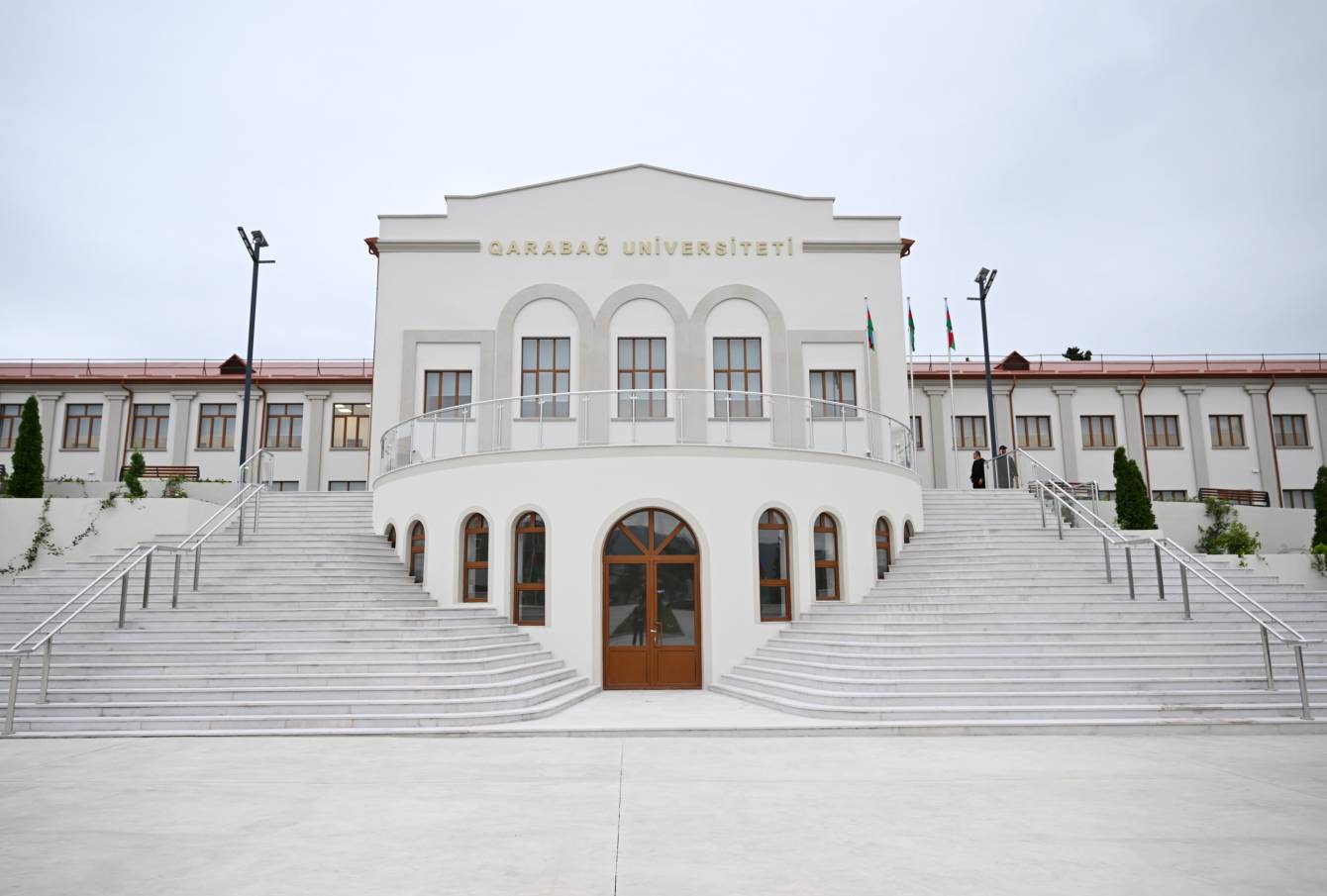
Karabakh University is set to expand its academic offerings with the planned opening of three new faculties in 2026, as announced by Rector Shahin Bayramov during the 7th ADA Political Forum themed "Towards a New World Order," held at the university on April 8. Currently, the university is home to more than 1,100 first-year students and employs around 200 staff members.
Rector Bayramov emphasized the university's mission to establish itself as a center for education, research, and innovation. He stated, "Everyone here is working towards this goal. We see great attention from our friends and direct support from the head of state. This has allowed us to welcome our students in a very short time. We started the first year with good results because we set out with a very good idea."
At present, Karabakh University comprises five faculties, and the addition of the new faculties is part of a broader strategy to enhance the educational landscape in the region. The planned faculties include:
i. Faculty of Agriculture: This faculty aims to address the growing need for agricultural education and research, focusing on sustainable practices and innovations in the agricultural sector.
ii. Faculty of Arts: This faculty will provide programs in various artistic disciplines, fostering creativity and cultural expression among students.
iii. Faculty of Tourism: With the potential for tourism development in the region, this faculty will prepare students for careers in the tourism industry, emphasizing hospitality, management, and cultural heritage.
The establishment of these faculties is expected to not only enrich the academic environment at Karabakh University but also contribute to the socio-economic development of the region. As the university continues to grow, it aims to play a pivotal role in shaping the future of education and research in Azerbaijan, particularly in the context of post-conflict recovery and development in Karabakh.
The commitment to expanding educational opportunities reflects the university's dedication to meeting the needs of its students and the community, ensuring that they are well-equipped to contribute to the region's progress.