Prokš Přikryl Architekti Transforms Historic Czech Mill into a Dynamic Arts Centre
-
 Loading...
 - Dennis Jamieson
- 14 Oct 2024
- 50 Views
- 0 Like
- 0 Comment
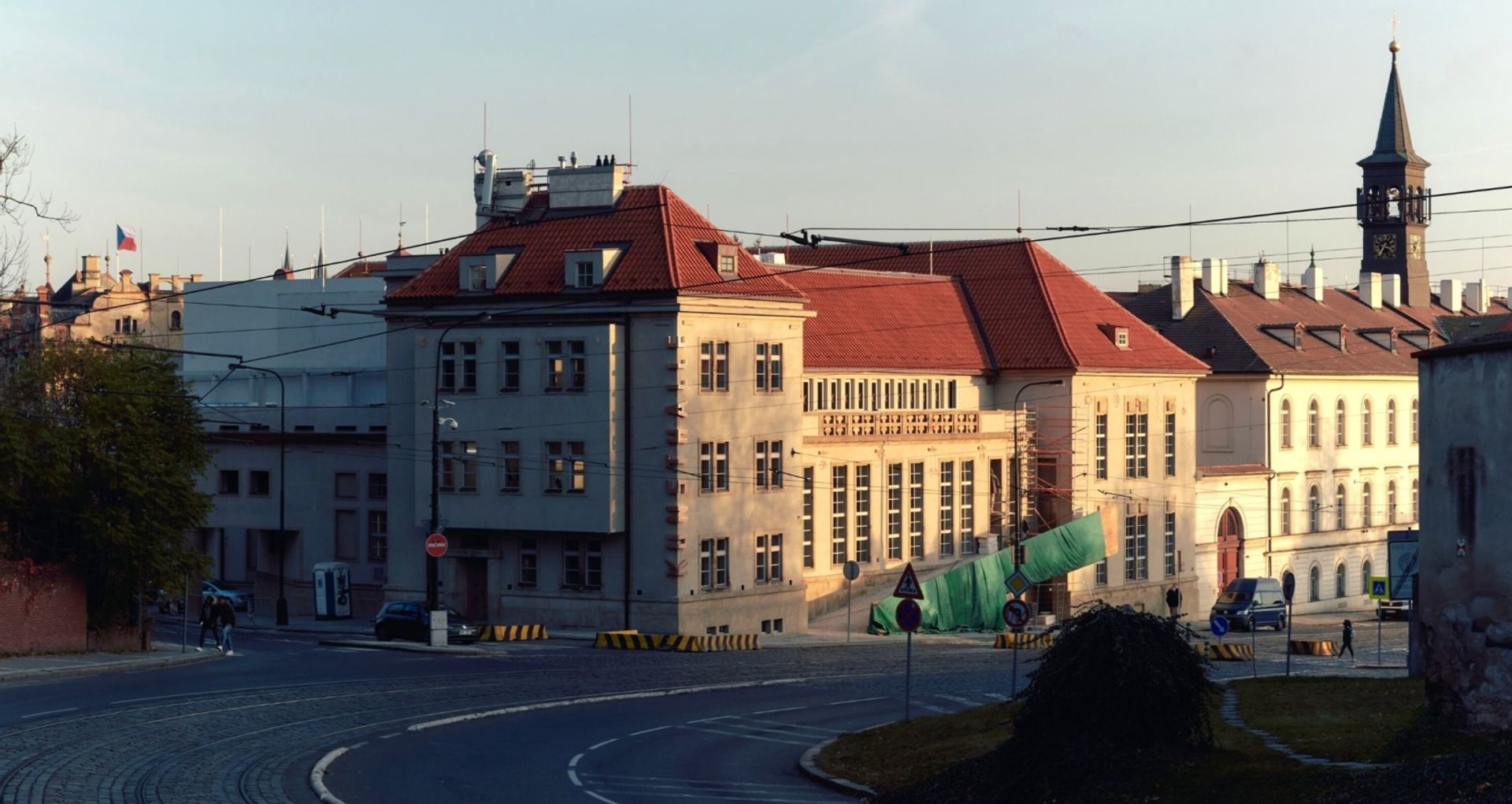
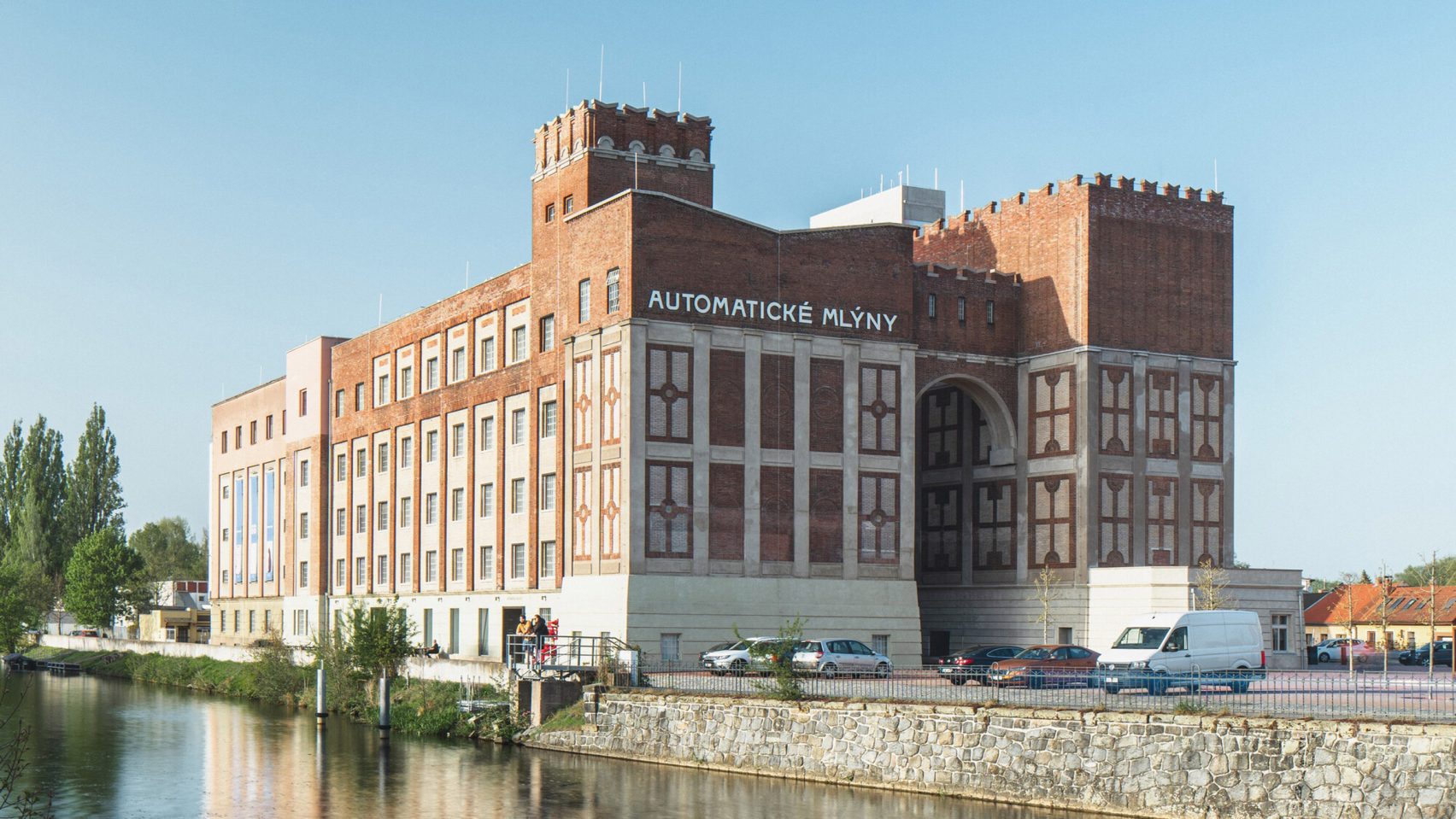
Prokš Přikryl Architekti has successfully transformed a historic brick mill in Pardubice, Czech Republic, into a vibrant arts centre, breathing new life into the early 20th-century structure originally designed by Czech architect Josef Gočár. This project is part of a broader redevelopment of the Automatic Mills complex, a national cultural monument, into a cultural district.
The architectural studio faced the challenge of balancing preservation with innovation, aiming to respect the building's historical significance while introducing modern functionality. Their approach focused not only on the architectural facades but also on the industrial essence of the building, emphasizing raw materials and straightforward design.
The transformation involved reconfiguring the former mill and grain silo to house a multi-purpose events hall, galleries, a rooftop bar, and public amenities. The building's vast, four-storey-high grain bins, previously inaccessible, have been repurposed as temporary exhibition spaces, interconnected by steel walkways. The base of these grain bins has been exposed through a cut-out in the building's rusticated base, creating a sheltered extension of the surrounding plaza and providing access to public toilets in the basement.
On the fifth floor, the former machine room has been converted into a multi-purpose hall for lectures, concerts, and social events, benefiting from natural light through small facade windows. Glass-brick sections in the floors allow daylight to permeate the interior and offer glimpses into the silos. The exterior brickwork, characterized by pilasters and Rondocubism-style decoration, remains largely unchanged, with only minimal alterations on the ground and fifth floors.
Crowning the building is a rooftop terrace with a crenelated brick parapet, featuring a small concrete volume that houses a bar for visitors. Access throughout the building is facilitated by an upgraded stair and lift core, ensuring full wheelchair accessibility. This core connects the entire building, maintaining the original communication flow while enhancing accessibility.
This project by Prokš Přikryl Architekti exemplifies a sensitive yet innovative approach to adaptive reuse, preserving the historical and cultural essence of the Automatic Mills while creating a dynamic space for contemporary arts and community engagement. This transformation aligns with similar projects in the Czech Republic, such as the conversion of a former slaughterhouse in Ostrava into a contemporary art gallery by Polish studio KWK Promes.