Protecting the Environment and Biodiversity in Algeria’s Coastal Regions
-
 Loading...
 - Michelle Collins
- 06 Aug 2024
- 54 Views
- 0 Like
- 0 Comment
Algeria, the largest country in Africa, is renowned for its stunning natural landscapes and diverse ecosystems, which support a wide variety of unique flora and fauna. From the lush forests to the vast Sahara Desert, the country's biodiversity is a treasure worth protecting. However, the rapid pace of urbanization and other human activities pose significant threats to Algeria's natural heritage, particularly in its coastal regions.
The Importance of Algeria's Coastal Regions
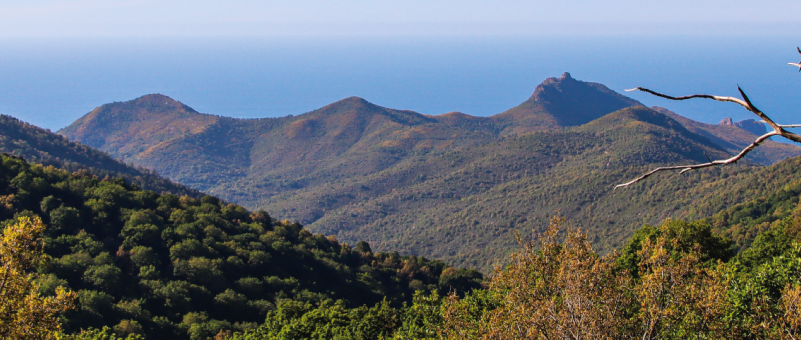
Algeria's coastal regions, situated along the Mediterranean coastline, are incredibly important for migratory birds and various aquatic species. These coastal wetlands provide a fertile habitat teeming with life, supporting the cycle of bird migration and nurturing the delicate web of marine ecosystems. The coastal regions are also home to a diverse range of flora and fauna, including many endemic species found exclusively within Algeria's borders.
Threats to Algeria's Coastal Biodiversity
Algeria's coastal biodiversity is facing significant threats from various human-induced factors. The delicate balance of ecosystems is being disrupted, endangering the country's unique flora and fauna. Habitat loss, primarily driven by agricultural expansion and urbanization, is one of the most significant threats to Algeria's coastal biodiversity. Climate change, pollution, and overfishing also pose significant risks to the survival of many plant and animal species found in Algeria's coastal regions.
Conservation Efforts in Algeria
The Algerian government and non-governmental organizations (NGOs) are actively involved in conservation efforts to protect the country's coastal biodiversity. These efforts include the establishment of protected areas, such as national parks and wildlife reserves, which provide a safe haven for Algeria's unique flora and fauna to thrive. The government has also implemented measures to reduce pollution and promote sustainable fishing practices.
Sustainable Practices for a Better Future
To protect Algeria's coastal biodiversity, it is essential to adopt sustainable practices that balance human needs with environmental conservation. This can be achieved by incorporating green infrastructure, such as parks and green roofs, into urban planning, promoting eco-tourism, and supporting sustainable agriculture practices. By working together, we can ensure the long-term preservation of Algeria's natural heritage and promote a harmonious coexistence between humans and nature.
The Role of Protected Areas
Protected areas play a vital role in preserving Algeria's coastal biodiversity. These designated areas ensure the conservation of habitats, safeguard endangered species, and promote sustainable practices. The Algerian government has established several protected areas along its coastline, including the Tassili n'Ajjer National Park, which is a UNESCO World Heritage Site.
The Importance of Community Engagement
Community engagement is crucial for the success of conservation efforts in Algeria's coastal regions. Local communities must be involved in the decision-making process and educated about the importance of conservation. By fostering a sense of ownership and responsibility among local communities, we can ensure the long-term preservation of Algeria's coastal biodiversity.
Protecting the environment and biodiversity in Algeria's coastal regions is a pressing issue that requires immediate attention. The Algerian government, NGOs, and local communities must work together to address the threats posed by habitat loss, climate change, pollution, and overfishing. By adopting sustainable practices, establishing protected areas, and promoting community engagement, we can ensure the long-term preservation of Algeria's natural heritage and promote a harmonious coexistence between humans and nature.