Home Upload Photo Upload Videos Write a Blog Analytics Messaging Streaming Create Adverts Creators Program
Bebuzee Afghanistan Bebuzee Albania Bebuzee Algeria Bebuzee Andorra Bebuzee Angola Bebuzee Antigua and Barbuda Bebuzee Argentina Bebuzee Armenia Bebuzee Australia Bebuzee Austria Bebuzee Azerbaijan Bebuzee Bahamas Bebuzee Bahrain Bebuzee Bangladesh Bebuzee Barbados Bebuzee Belarus Bebuzee Belgium Bebuzee Belize Bebuzee Benin Bebuzee Bhutan Bebuzee Bolivia Bebuzee Bosnia and Herzegovina Bebuzee Botswana Bebuzee Brazil Bebuzee Brunei Bebuzee Bulgaria Bebuzee Burkina Faso Bebuzee Burundi Bebuzee Cabo Verde Bebuzee Cambodia Bebuzee Cameroon Bebuzee Canada Bebuzee Central African Republic Bebuzee Chad Bebuzee Chile Bebuzee China Bebuzee Colombia Bebuzee Comoros Bebuzee Costa Rica Bebuzee Côte d'Ivoire Bebuzee Croatia Bebuzee Cuba Bebuzee Cyprus Bebuzee Czech Republic Bebuzee Democratic Republic of the Congo Bebuzee Denmark Bebuzee Djibouti Bebuzee Dominica Bebuzee Dominican Republic Bebuzee Ecuador Bebuzee Egypt Bebuzee El Salvador Bebuzee Equatorial Guinea Bebuzee Eritrea Bebuzee Estonia Bebuzee Eswatini Bebuzee Ethiopia Bebuzee Fiji Bebuzee Finland Bebuzee France Bebuzee Gabon Bebuzee Gambia Bebuzee Georgia Bebuzee Germany Bebuzee Ghana Bebuzee Greece Bebuzee Grenada Bebuzee Guatemala Bebuzee Guinea Bebuzee Guinea-Bissau Bebuzee Guyana Bebuzee Haiti Bebuzee Honduras Bebuzee Hong Kong Bebuzee Hungary Bebuzee Iceland Bebuzee India Bebuzee Indonesia Bebuzee Iran Bebuzee Iraq Bebuzee Ireland Bebuzee Israel Bebuzee Italy Bebuzee Jamaica Bebuzee Japan Bebuzee Jordan Bebuzee Kazakhstan Bebuzee Kenya Bebuzee Kiribati Bebuzee Kuwait Bebuzee Kyrgyzstan Bebuzee Laos Bebuzee Latvia Bebuzee Lebanon Bebuzee Lesotho Bebuzee Liberia Bebuzee Libya Bebuzee Liechtenstein Bebuzee Lithuania Bebuzee Luxembourg Bebuzee Madagascar Bebuzee Malawi Bebuzee Malaysia Bebuzee Maldives Bebuzee Mali Bebuzee Malta Bebuzee Marshall Islands Bebuzee Mauritania Bebuzee Mauritius Bebuzee Mexico Bebuzee Micronesia Bebuzee Moldova Bebuzee Monaco Bebuzee Mongolia Bebuzee Montenegro Bebuzee Morocco Bebuzee Mozambique Bebuzee Myanmar Bebuzee Namibia Bebuzee Nauru Bebuzee Nepal Bebuzee Netherlands Bebuzee New Zealand Bebuzee Nicaragua Bebuzee Niger Bebuzee Nigeria Bebuzee North Korea Bebuzee North Macedonia Bebuzee Norway Bebuzee Oman Bebuzee Pakistan Bebuzee Palau Bebuzee Panama Bebuzee Papua New Guinea Bebuzee Paraguay Bebuzee Peru Bebuzee Philippines Bebuzee Poland Bebuzee Portugal Bebuzee Qatar Bebuzee Republic of the Congo Bebuzee Romania Bebuzee Russia Bebuzee Rwanda Bebuzee Saint Kitts and Nevis Bebuzee Saint Lucia Bebuzee Saint Vincent and the Grenadines Bebuzee Samoa Bebuzee San Marino Bebuzee São Tomé and Príncipe Bebuzee Saudi Arabia Bebuzee Senegal Bebuzee Serbia Bebuzee Seychelles Bebuzee Sierra Leone Bebuzee Singapore Bebuzee Slovakia Bebuzee Slovenia Bebuzee Solomon Islands Bebuzee Somalia Bebuzee South Africa Bebuzee South Korea Bebuzee South Sudan Bebuzee Spain Bebuzee Sri Lanka Bebuzee Sudan Bebuzee Suriname Bebuzee Sweden Bebuzee Switzerland Bebuzee Syria Bebuzee Taiwan Bebuzee Tajikistan Bebuzee Tanzania Bebuzee Thailand Bebuzee Timor-Leste Bebuzee Togo Bebuzee Tonga Bebuzee Trinidad and Tobago Bebuzee Tunisia Bebuzee Turkey Bebuzee Turkmenistan Bebuzee Tuvalu Bebuzee Uganda Bebuzee Ukraine Bebuzee United Arab Emirates Bebuzee United Kingdom Bebuzee Uruguay Bebuzee Uzbekistan Bebuzee Vanuatu Bebuzee Venezuela Bebuzee Vietnam Bebuzee World Wide Bebuzee Yemen Bebuzee Zambia Bebuzee Zimbabwe
Blog Image

Protection of the unknown is in urgent need

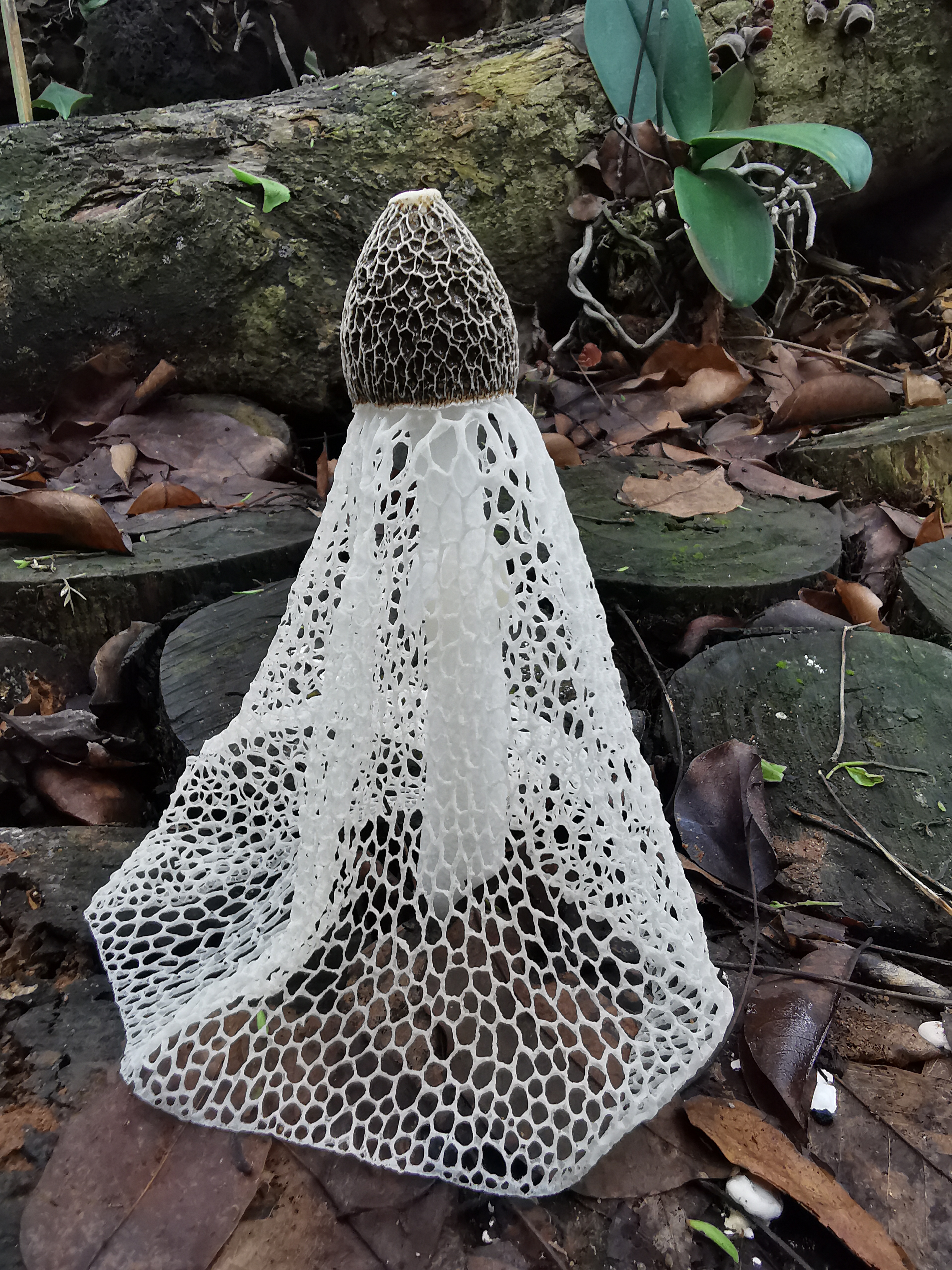
Besides flora and fauna, other forms of life also contribute to the ecological diversity and balance of our planet: fungi, for example.

Out of an estimated two to four million types of fungi in the world, less than 150,000 have been discovered. And they play a critical role breaking down dead matter and harvesting nutrients from them.

Yet for so long, these organisms have gone almost unnoticed. CGTN talked to a mycologist, Dr. Ma Haixia from the  Academy of Tropical Agricultural Sciences, to find out why this little-known world is so important to our environment.

Most people, when they hear the word fungus, will probably think of a mushroom. But this is just the "fruiting body" of a fungus and represents only a short stage of a fungus's life that is visible to the naked eye. "In fact, fungi remain invisible for most of their life in the form of threadlike tubes, or mycelia, in dark and damp places or spores that float in the air," said Dr Ma. "Not being able to see them doesn't mean they do not exist. When it comes to agreeable temperatures or climate, they will grow into various shapes of mushrooms.”

Fungi connect with the world in different ways. Some keep mutual partnerships with plant roots, others develop parasitic techniques and grow on insect larvae. The best-known example of this is the Cordyceps sinensis.

There are also fungi that serve as food sources for certain beetles and ants, which bring dead leaves back to their nest and feed the fungi in return.

If used properly, fungi can be valuable in advancing greener solutions for us to tackle persistent environmental issues. One of Ma's current areas of focus is how to turn agricultural waste such as paddy straw into the matter that edible fungi can be farmed on. A win-win solution might not only solve long-standing air pollution caused by agricultural waste-burning, but also eliminate the potential loss of forest resources as farmers often use ticks found in chopped wood to cultivate mushrooms.

The fungi-based economy is also a booming one, edible fungi production increased from 32.7 million tons in 2014 to over 40 million tons in 2020, accounting for almost 80 percent of global production. Ma told CGTN that out of slightly over 2,000 edible fungi species, 100 can be cultivated. The room left for fungi farming is tremendous.

Like plants and animals, fungi are also affected by climate change and human activities. "Destructive harvesting poses the greatest threat to fungi in the wild," Ma said. "People who pick fungi before they reach maturity or before they release spores, or even uproot everything, have created irreversible and permanent damage to these fungi, which consequently result in the threat of extinction of the species."

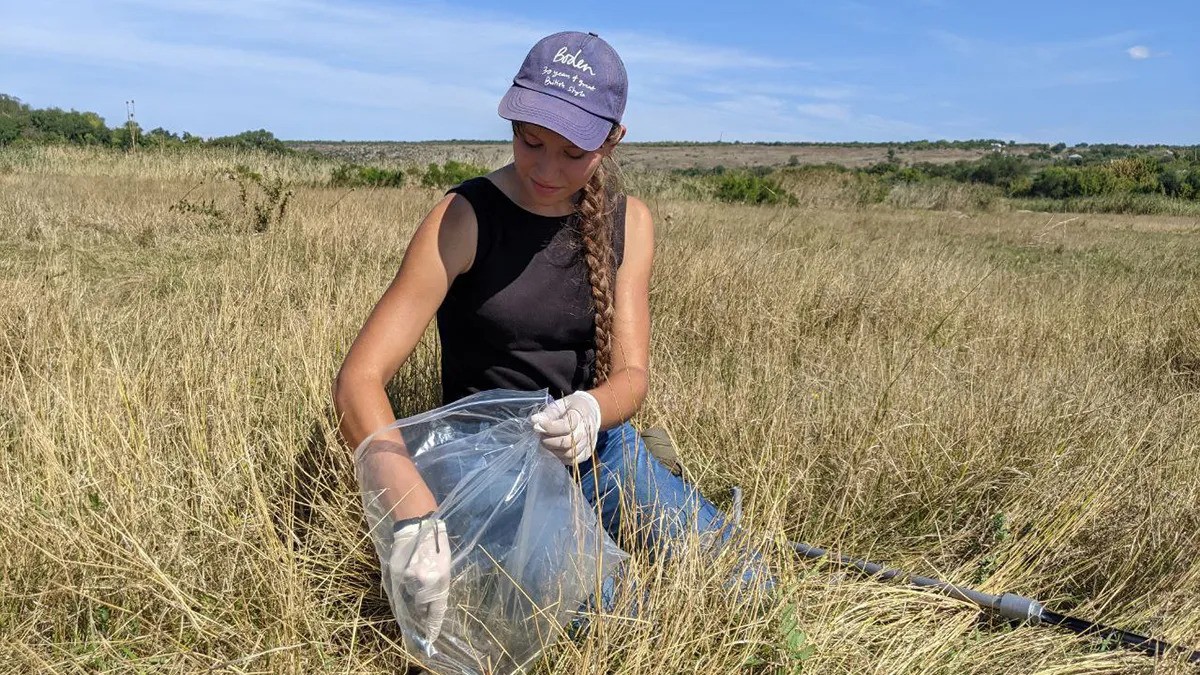
It is a race against time to protect fungi before climate change takes its toll. But vowing to conserve with only little knowledge and a narrow view of their kingdom is difficult. That's why scientists like Ma have advocated for more attention and conservation efforts to fungal biodiversity. Since 2011, Ma has collected close to 6,000 samples of fungi, and 1,600 of them were identified. Earlier this year, she discovered eight new species in Tropical Rainforest National Park in southern  Province. It is an astonishing achievement but also just the tip of an iceberg, considering the vast unknown part in the realm of fungi. Read More...

Previous Post

Uganda Baati to partner with NFA to conserve environment by planting 40 hectares of trees

Next Post

Nonwoven mask found in green turtle's excrement off Japan's Iwate Prefecture

Comments