‘Public Execution’: The Israeli Checkpoint Terrorizing a Palestinian Town
-
 Loading...
 - Louis Robert
- 05 Mar 2025
- 50 Views
- 0 Like
- 0 Comment
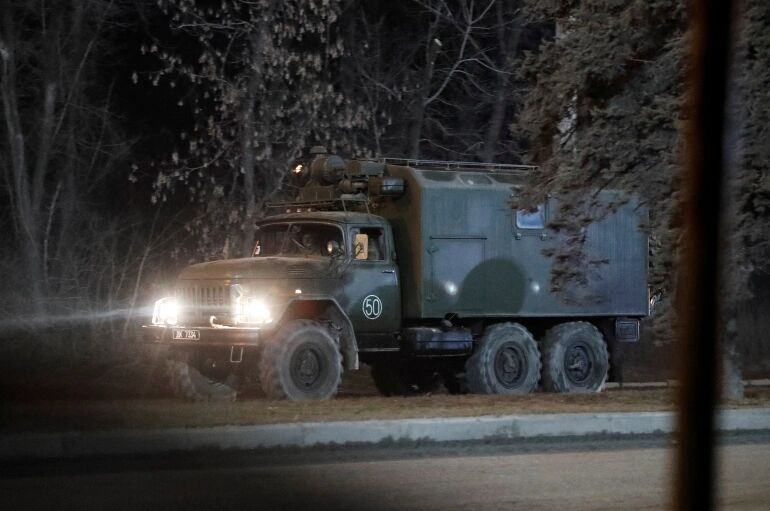
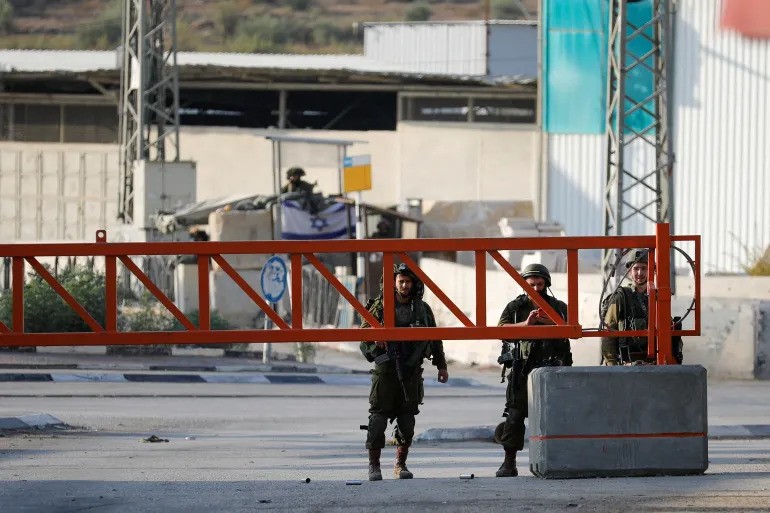
In the village of Deir Sharaf, the presence of an Israeli military checkpoint has become a dominant and oppressive force in the lives of its residents. This checkpoint, which has evolved from a simple dirt mound barrier since its establishment in October 2022, stands as a stark reminder of the violence and control that permeate the occupied West Bank. It blocks the main road connecting six northern West Bank cities and serves as a major gateway into Nablus, affecting thousands of Palestinians who navigate approximately 800 checkpoints and roadblocks daily.
Villager Adam Ali, a father of four, describes the checkpoint as a place where a single misstep can lead to fatal consequences. He witnessed the tragic shooting of 18-year-old Walid Hussein, who was accused by the military of carrying a knife. However, witnesses, including Adam and his son Mohammed, assert that Walid was unarmed and posed no threat when he was shot multiple times by soldiers. “The ambulance tried to get to him but they blocked it,” Mohammed recounted, emphasizing the horror of watching someone bleed to death while help was obstructed. This incident has left a profound impact on the community, with memorials to Walid now adorning the walls of his neighborhood.
The checkpoint has transformed life in Deir Sharaf into a “life of terror,” as described by residents. The village, home to around 3,000 people, is now bisected by the checkpoint, which has led to increased violence and intimidation from Israeli soldiers and settlers. Mayor Shadi Abu Halaweh notes that since the checkpoint's establishment, two people have been killed and several injured, with violent incidents escalating following the recent conflict in Gaza.
Residents live in constant fear, not only from the military presence but also from settlers who frequently engage in acts of sabotage and violence. Basil Wawi, a local government employee, shared his experience of settlers breaking into his home and setting it on fire while being protected by the military. “I feel like the settlers could show up at any moment,” he said, highlighting the pervasive anxiety that grips the community.
The checkpoint has also severely restricted movement, isolating families and limiting access to essential services. Israeli human rights organization B’Tselem reports that the barrier prevents about 50 families from accessing the rest of the village by car. The situation has led to a sense of hopelessness among residents, with many feeling trapped in a cycle of violence and oppression.
The impact of the checkpoint extends beyond immediate safety concerns; it has also disrupted educational opportunities for young people in the village. Adam’s son Mohammed recalls a time when coexistence was possible, contrasting it with the current reality where Palestinians are dehumanized and violence is rampant. “Now the soldiers and the settlers see Palestinians as animals. For them, killing is easy,” he lamented.
As the situation in Deir Sharaf continues to deteriorate, residents express a deep sense of despair. The checkpoint, once a mere barrier, has become a symbol of the broader struggles faced by Palestinians in the West Bank, where the threat of violence and loss of life looms large. The community’s resilience is tested daily, as they navigate a landscape marked by fear, oppression, and a longing for a return to a more peaceful existence.