Putin Urges Iran to Limit Damage in Retaliation Against Israel
-
 Loading...
 - Akila Salah
- 08 Aug 2024
- 45 Views
- 0 Like
- 0 Comment
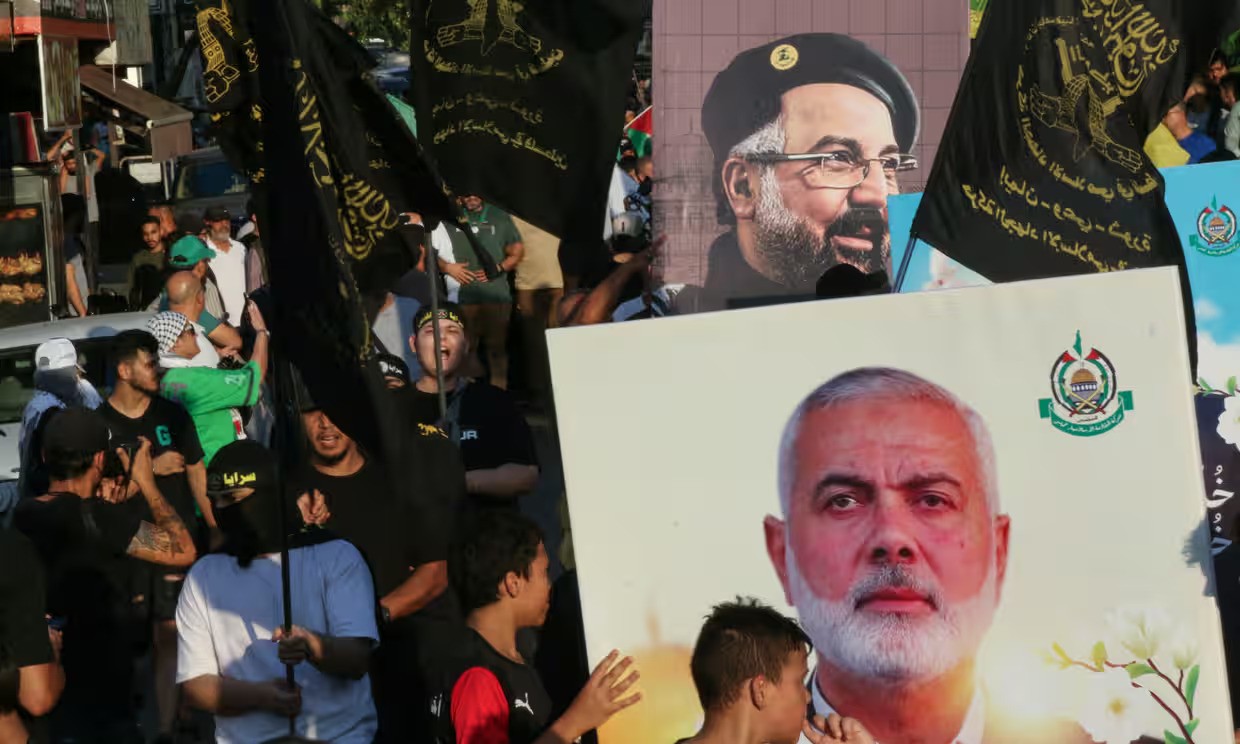
Vladimir Putin has reportedly called on Iran to avoid civilian casualties in any retaliatory attack on Israel for the assassination of Hamas political leader Ismail Haniyeh. This warning, delivered by Putin's former defense secretary Sergei Shoigu, underlines the constraints Iran faces as it frames its response to the killing.
Organisation of Islamic Cooperation Meeting
The Organisation of Islamic Cooperation (OIC) is set to meet in Jeddah on Wednesday, with foreign ministers from 57 countries expected to condemn the killing of Haniyeh as an escalatory and illegal act by Israel. However, Iranian diplomats will also be working to avoid being left isolated by the more cautious Arab Gulf states.
Russian Concerns
Russia's concern is that the response to Haniyeh's killing could get out of hand, especially if multiple members of Iran's semi-state axis of resistance, including the Houthis in Yemen and Hezbollah in Lebanon, launch their own less disciplined military responses. The Houthis have already hit residential buildings in Tel Aviv.
Hezbollah's Vow
Hezbollah leader Hassan Nasrallah has vowed a "strong and effective" response to the killing of its military commander, Fuad Shukr, in Beirut by Israel last week. Nasrallah said Hezbollah would act either alone or with its regional allies, and that the resistance would not let Israeli attacks pass by.
Western Efforts
Western officials are trying to persuade Iran to avoid steps that lead to an all-out war in the region, arguing that such a war would benefit no one and eventually lead to Iran's isolation. The focus is on trying to convince Iran to avoid actions that would escalate the situation.
Iran's Goals
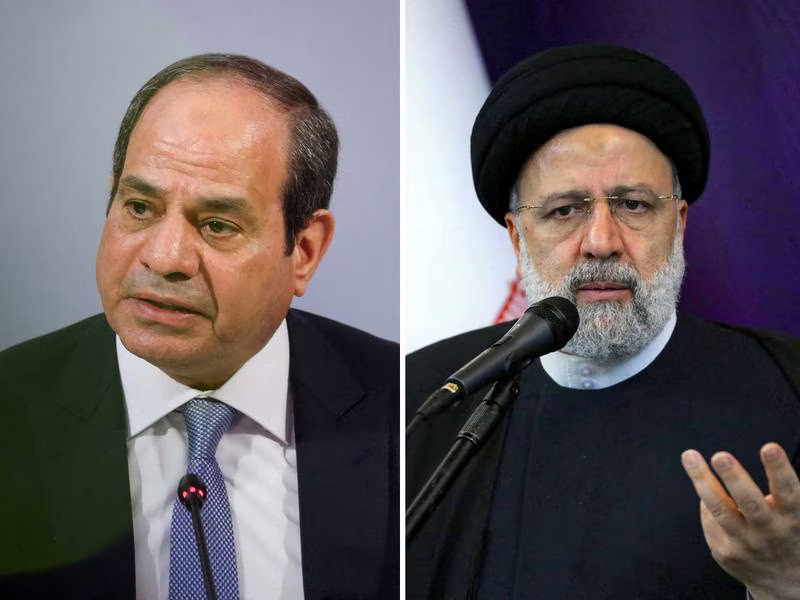
Iran's goal is to assert its sovereign right to respond to Haniyeh's killing and to press states such as Jordan, Egypt, and Saudi Arabia not to do anything that diminishes the effectiveness of Iran's response. Iran is also trying to build a coalition of support for its right to respond and to persuade fellow Muslim states of America's duplicity.
Diplomatic Judgment
The new Iranian leadership must exercise diplomatic judgment in deciding whether to call out what they may regard as the Gulf states' weakness over Israel, a step that would run counter to efforts to improve relations in the region with Bahrain, Saudi Arabia, and Egypt.
Iran's Approach
Iran's approach is to focus on persuading fellow Muslim states of America's duplicity and building a coalition of support for its right to respond. Iran's former ambassador to the UK, Mohsen Baharvand, wrote that the new Iranian government is interested in dialogue with the West but said any contacts should be based on respect.