Qatar's Office Market Shows Two-Tiered Trend, Grade A Rents Climbing for the First Time Since 2015
-
 Loading...
 - Alessandra Bruno
- 26 Aug 2024
- 72 Views
- 0 Like
- 0 Comment
The office market in Qatar has developed into a two-tiered system, with leasing trends revealing a growing preference for Grade A office spaces, leaving older buildings with high vacancy rates and limited demand, according to a report by Cushman and Wakefield Qatar (CWQ).
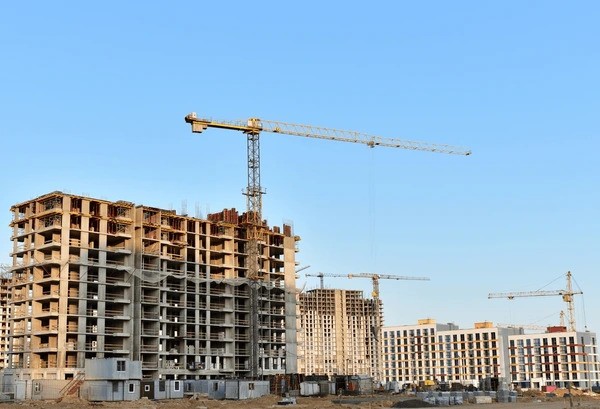
The report highlights that new supply is largely concentrated in Lusail Towers, where three of the four iconic buildings are allocated to major entities like Qatar National Bank (QNB), the Qatar Investment Authority, and the Qatar Central Bank. However, it remains uncertain whether any of this prime office space will be made available to the broader market.
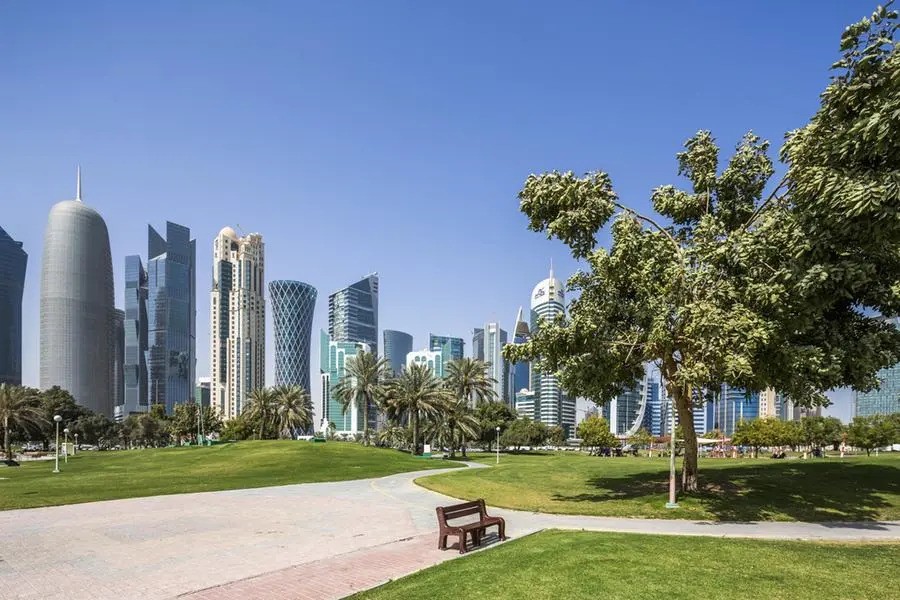
As occupancy rates in Grade A locations increase, upward pressure on rents is being observed for the first time since 2015. Currently, most Grade A office spaces in West Bay and Lusail are leasing for between QR100 and QR130 per square meter per month, excluding service charges. However, some higher-specification buildings are beginning to push for higher rents for vacant spaces. In contrast, in secondary areas, office spaces leased as ‘shell and core’ are available for QR50-60 per square meter per month.
Office leasing activity in Qatar remains largely driven by government demand, particularly in prime office districts. CWQ estimates that approximately 120,000 square meters of gross leasable office space were either leased or placed under offer in the first half of the year, with the majority of take-up occurring in Msheireb Downtown and West Bay.
The report notes that the most significant transaction in the second quarter (Q2) was the lease agreed upon by the government for the World Trade Centre Tower on the Corniche, a building previously vacated by QatarEnergy in 2022. This tower offers about 58,000 square meters of Grade A office space.
In West Bay, available office space has dwindled to around 160,000 square meters, reducing the district’s vacancy rate to less than 10%. Msheireb Downtown has seen availability drop to under 5%, and there has also been leasing activity across various districts in Lusail. Overall, the availability in prime office districts has now fallen to below 15%, contrasting sharply with secondary markets in central and southern Doha, where vacancy rates remain significantly higher.
A substantial portion of the take-up in prime office districts is due to the expansion and relocation of government departments from older buildings in Doha. This trend is expected to further increase vacancies in secondary districts as current leases expire.