Rafael Cadenas, the poet without traces
-
 Loading...
 - James Fisher
- 07 Feb 2023
- 77 Views
- 0 Like
- 0 Comment
The winner of the 2022 Cervantes Prize shares his vision of poetry in what was his professional home, the Escuela de Letras de Venezuela.
What is poetry? It is a question that poets are often asked and for which there are hundreds of answers that come together in concepts such as a writer's love for literature, words, dedication, beauty, rhythm, commitment and other variables that locate gender in a special seat of thought.
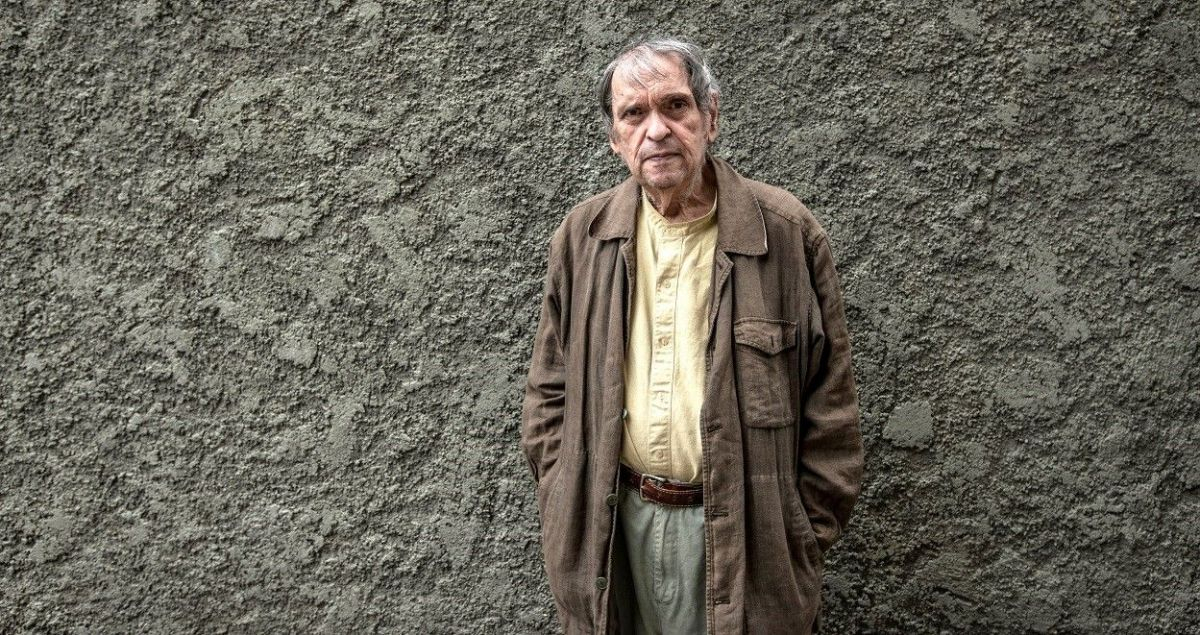
Rafael Cadenas (Barquisimeto, 1930) has always had a very peculiar way of looking at that art and at himself, which often does not match what is expected. Last December, there was the opportunity to verify it during the visit that the poet made to what was his home of studies for so many years: the School of Letters of the Central University of Venezuela (UCV), located in Caracas and known by several generations. of young people like “The House that overcomes the shadows” . And although in the last decades the shadows have settled on this Alma Mater, occasionally there are clearings of clouds, as when Cadenas —which in 2022 obtained the Cervantes Prize, the most important award in Spanish-language literature— once again walked through its beloved halls, from which talented writers have emerged, many of whom are now scattered throughout the world.
When talking about how the formal world looks at poetry, Cadenas shared one of his many anecdotes during the meeting at the UCV: “On one occasion, the French Embassy invited a group of poets for a tour and we had to fill out some forms , and I realized that I couldn't put a poet on the form. On the other hand, other categories such as musician or painter did meet the requirements. I don't know if that has to do with a great respect for poetry. I was with Eugenio Montejo and he asked me 'What do I put on?'. I think we finally agreed to put a teacher”.
Back to memory
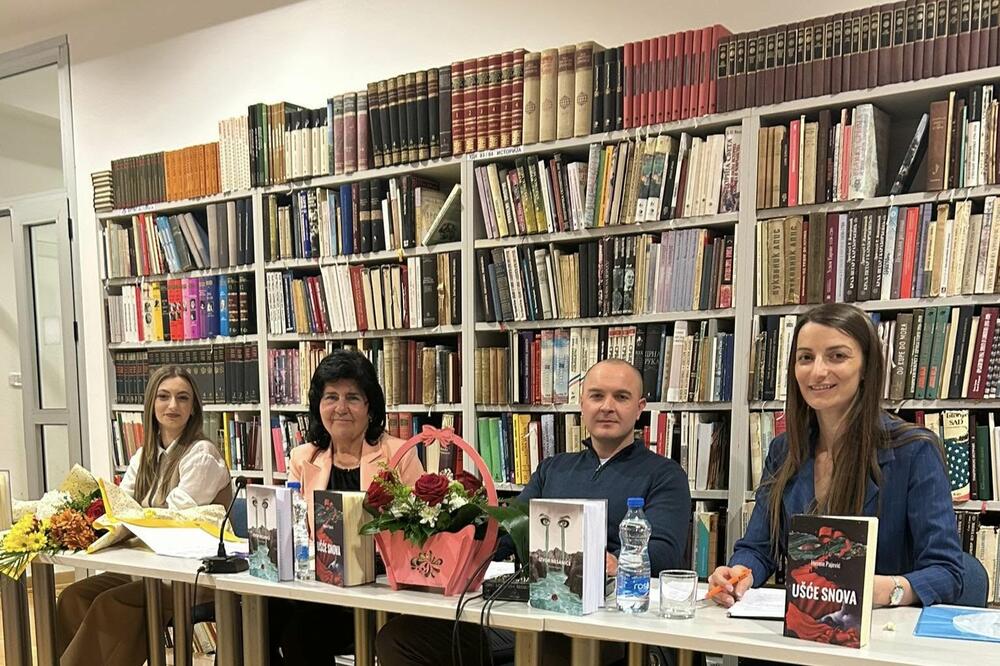
Received by the director of the School of Letters, Florence Montero, and the professors Rafael Castillo Zapata, Jorge Romero León and María Fernanda Palacios —former students and now prominent writers—, Cadenas gives his talk in Room 201 of the Humanities Faculty building , which for decades has served to receive several generations of students interested in literature.
Before sitting down at the classroom table again, with the blackboard behind him, the writer has to cross the barrier of admirers who ask him to sign some of their books. Young people and friends crowd the auditorium, eagerly awaiting the words of a poet who has behind him a whole "chain" of awards, among which are the National Literature of Venezuela (1985), the Literature in Romance Languages of the Fair International Book of Guadalajara (2009) and the Federico García Lorca of Poetry (2016). Cadenas acknowledges his fear of these commitments and recounts the great surprise of the call he received from Spain announcing that he was the winner of Cervantes 2022. "I'm struck down," he said when he heard the news, and sat down to enjoy a glass of wine , according to the journalist Diego Arroyo Gil.
For Cadenas, the UCV is his life. The writer graduated from the School of Letters in 1962, after having started studying Law and a four-year exile in Trinidad because of his political militancy. In 1963 he entered the chair of English Literature as an instructor and in 1968, as a full professor. Along with other teachers, he promoted an academic renewal that materialized in initiatives such as the creation of the Chair of Literature and Life, dedicated to the study of literary images through myths and archetypes and whose readings Cadenas directed from 1969. His was an intense teaching job, fueled by a literary passion that had been present since adolescence, when, in his native Barquisimeto, Cadenas met the future writer Salvador Garmendia .to read poems in Plaza Altagracia. As the essayist Antonio López Ortega recounts, “on those benches, and under hundred-year-old trees, he recited Juan Ramón Jiménez or Antonio Machado, but he also quoted verses from Mío Cid or the Song of Songs by heart , or muttered lines by Andrés Eloy Blanco , by then the most public Venezuelan poet”. Read More…