Raw Food Diet – Types, Benefits And Risks
-
 Loading...
 - Monica Wanjohi
- 13 Feb 2023
- 78 Views
- 0 Like
- 0 Comment
A raw food diet involves eating mainly unprocessed, uncooked, largely plant-based, and preferably organic foods. The resurgence of eating a raw food diet may make it appear to be new but it’s a concept that has been around for centuries. Here are the different types of raw food diets as well as the benefits and risks to keep in mind if you’re considering them.
Types of raw food diet
Raw vegan: excludes all animal products focusing mainly on plant-based foods.
Raw vegetarian: includes plant-based foods plus raw eggs and unprocessed dairy products.
Raw omnivorous: includes plant-based foods, raw animal products, and raw or dried meat.
Fruitarianism: a subtype of raw veganism focused on consuming mostly fruit, with some raw vegetables and nuts.
Raw Till 4: a subtype that involves eating a raw vegan diet until 4 pm, after which cooked foods are consumed.
Foods to eat
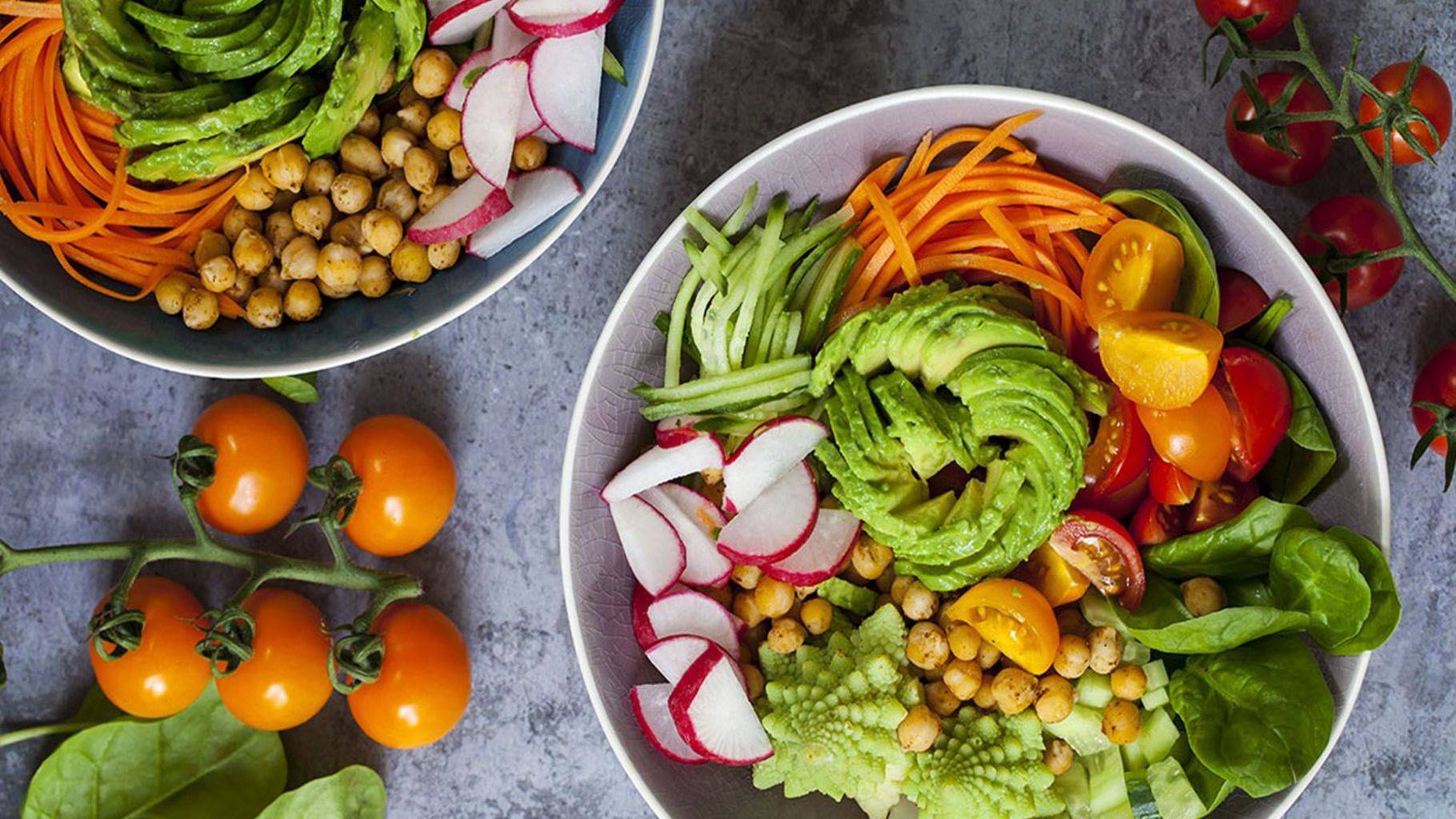
Some of the foods preferred by raw food diet enthusiasts include
1. Raw fruits and raw vegetables
2. Dried fruits and vegetables
3. Freshly made fruit and vegetable juices
4. Soaked and sprouted beans and other grains and legumes
5. Raw nuts and seeds
6. Raw nut butter such as peanut butter
7. Nut milk such as almond milk
8. Coconut milk
9. Cold-pressed olive oil or coconut oil
10. Nutritional yeast
11. Seaweeds
12. Fermented foods such as sauerkraut
13. Purified water but not tap water
14. Other organic, natural or unprocessed foods