Home Upload Photo Upload Videos Write a Blog Analytics Messaging Streaming Create Adverts Creators Program
Bebuzee Afghanistan Bebuzee Albania Bebuzee Algeria Bebuzee Andorra Bebuzee Angola Bebuzee Antigua and Barbuda Bebuzee Argentina Bebuzee Armenia Bebuzee Australia Bebuzee Austria Bebuzee Azerbaijan Bebuzee Bahamas Bebuzee Bahrain Bebuzee Bangladesh Bebuzee Barbados Bebuzee Belarus Bebuzee Belgium Bebuzee Belize Bebuzee Benin Bebuzee Bhutan Bebuzee Bolivia Bebuzee Bosnia and Herzegovina Bebuzee Botswana Bebuzee Brazil Bebuzee Brunei Bebuzee Bulgaria Bebuzee Burkina Faso Bebuzee Burundi Bebuzee Cabo Verde Bebuzee Cambodia Bebuzee Cameroon Bebuzee Canada Bebuzee Central African Republic Bebuzee Chad Bebuzee Chile Bebuzee China Bebuzee Colombia Bebuzee Comoros Bebuzee Costa Rica Bebuzee Côte d'Ivoire Bebuzee Croatia Bebuzee Cuba Bebuzee Cyprus Bebuzee Czech Republic Bebuzee Democratic Republic of the Congo Bebuzee Denmark Bebuzee Djibouti Bebuzee Dominica Bebuzee Dominican Republic Bebuzee Ecuador Bebuzee Egypt Bebuzee El Salvador Bebuzee Equatorial Guinea Bebuzee Eritrea Bebuzee Estonia Bebuzee Eswatini Bebuzee Ethiopia Bebuzee Fiji Bebuzee Finland Bebuzee France Bebuzee Gabon Bebuzee Gambia Bebuzee Georgia Bebuzee Germany Bebuzee Ghana Bebuzee Greece Bebuzee Grenada Bebuzee Guatemala Bebuzee Guinea Bebuzee Guinea-Bissau Bebuzee Guyana Bebuzee Haiti Bebuzee Honduras Bebuzee Hong Kong Bebuzee Hungary Bebuzee Iceland Bebuzee India Bebuzee Indonesia Bebuzee Iran Bebuzee Iraq Bebuzee Ireland Bebuzee Israel Bebuzee Italy Bebuzee Jamaica Bebuzee Japan Bebuzee Jordan Bebuzee Kazakhstan Bebuzee Kenya Bebuzee Kiribati Bebuzee Kuwait Bebuzee Kyrgyzstan Bebuzee Laos Bebuzee Latvia Bebuzee Lebanon Bebuzee Lesotho Bebuzee Liberia Bebuzee Libya Bebuzee Liechtenstein Bebuzee Lithuania Bebuzee Luxembourg Bebuzee Madagascar Bebuzee Malawi Bebuzee Malaysia Bebuzee Maldives Bebuzee Mali Bebuzee Malta Bebuzee Marshall Islands Bebuzee Mauritania Bebuzee Mauritius Bebuzee Mexico Bebuzee Micronesia Bebuzee Moldova Bebuzee Monaco Bebuzee Mongolia Bebuzee Montenegro Bebuzee Morocco Bebuzee Mozambique Bebuzee Myanmar Bebuzee Namibia Bebuzee Nauru Bebuzee Nepal Bebuzee Netherlands Bebuzee New Zealand Bebuzee Nicaragua Bebuzee Niger Bebuzee Nigeria Bebuzee North Korea Bebuzee North Macedonia Bebuzee Norway Bebuzee Oman Bebuzee Pakistan Bebuzee Palau Bebuzee Panama Bebuzee Papua New Guinea Bebuzee Paraguay Bebuzee Peru Bebuzee Philippines Bebuzee Poland Bebuzee Portugal Bebuzee Qatar Bebuzee Republic of the Congo Bebuzee Romania Bebuzee Russia Bebuzee Rwanda Bebuzee Saint Kitts and Nevis Bebuzee Saint Lucia Bebuzee Saint Vincent and the Grenadines Bebuzee Samoa Bebuzee San Marino Bebuzee São Tomé and Príncipe Bebuzee Saudi Arabia Bebuzee Senegal Bebuzee Serbia Bebuzee Seychelles Bebuzee Sierra Leone Bebuzee Singapore Bebuzee Slovakia Bebuzee Slovenia Bebuzee Solomon Islands Bebuzee Somalia Bebuzee South Africa Bebuzee South Korea Bebuzee South Sudan Bebuzee Spain Bebuzee Sri Lanka Bebuzee Sudan Bebuzee Suriname Bebuzee Sweden Bebuzee Switzerland Bebuzee Syria Bebuzee Taiwan Bebuzee Tajikistan Bebuzee Tanzania Bebuzee Thailand Bebuzee Timor-Leste Bebuzee Togo Bebuzee Tonga Bebuzee Trinidad and Tobago Bebuzee Tunisia Bebuzee Turkey Bebuzee Turkmenistan Bebuzee Tuvalu Bebuzee Uganda Bebuzee Ukraine Bebuzee United Arab Emirates Bebuzee United Kingdom Bebuzee Uruguay Bebuzee Uzbekistan Bebuzee Vanuatu Bebuzee Venezuela Bebuzee Vietnam Bebuzee World Wide Bebuzee Yemen Bebuzee Zambia Bebuzee Zimbabwe
Blog Image

RAW vs JPEG: Which Should You Be Using?

Do you keep hearing photographers talking about shooting and editing RAW vs JPEG images? If you’re confused about what RAW is, and its benefits, then you’ll find all the answers you need right here. Sometimes called “digital negatives,” RAW images retain detail that other image formats discard, giving you the very best starting point for editing your images. In this article, you’ll discover the many wonderful benefits and applications of shooting in RAW vs JPEG.

RAW vs JPEG: What’s The Difference?

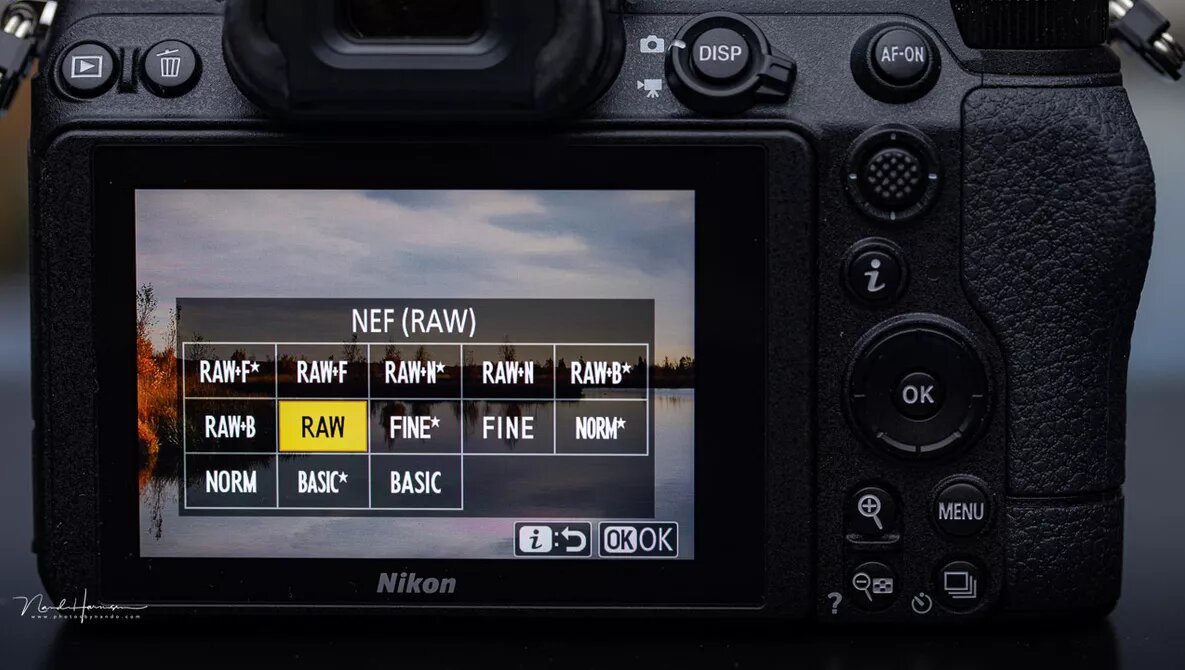
RAW is an image file format unique to each camera manufacturer. Essentially, it’s an exact copy of what your camera’s sensor captured when you pressed the shutter button. No post-processing is applied to the image before it is saved to your camera’s memory card.

Now, that might seem rather obvious, and you might expect all image file formats to accurately store what your camera’s sensor captured.

However, memory cards used to be much more expensive than they are now, and the maximum card capacity used to be quite small. Therefore, camera manufacturers had to use a more space-efficient image file format, so that more photos could be stored on the memory cards. That format was JPEG.

The JPEG format is extremely portable. Every photo editing package can work with JPEG image files, and most digital platforms, including email, web browsers, messaging services and even digital TVs, can display JPEG images without a problem.

Also, the JPEG format is very good at reducing file sizes but it does this by using compression techniques which throw away a lot of the detail and information in your photos. JPEG is an 8-bit technology, meaning that each combination of red, green and blue (RGB) pixel can be one of 16.8 million possible tones. Sounds great, doesn’t it?

But the RAW image format uses 14-bit technology, giving an incredible 4.4 trillion different possible tones per RGB pixel combination. This translates into a much wider dynamic range – both in relation to pixel brightness and pixel color.

Why Shoot In RAW?

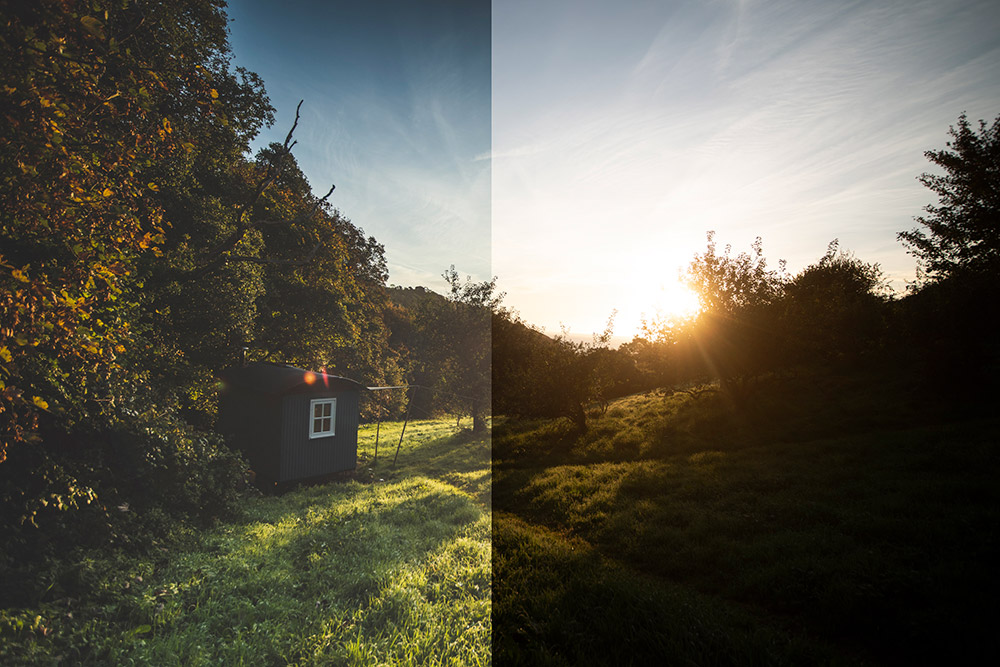
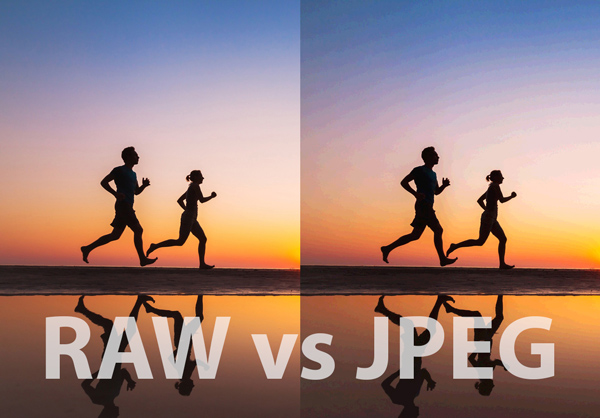
A good visual example of the quality difference between a JPEG and RAW image of the same scene is a gradient in a sunset – where the dark sky at the top of the image gradually fades into the bright sunlight on the horizon.

We can’t show you a real RAW image because it’s not a suitable format for displaying on the web. But the two side-by-side images below are representative of the difference between a JPEG and RAW image, with a slight exaggeration to emphasize the difference for illustration purposes.

The image on the left (below) represents the JPEG image. The banding effect is due to the JPEG format not having enough different colors (between the blue at the top and the orange at the bottom) to create a continuous gradient. Read More…
Previous Post

Sports as Art: Photographing Athletes is Different from Sports Photography

Next Post

Black & White Photography: A Beginner's Guide

Comments