Recipe for Austrian Goulash
-
 Loading...
 - Alexander Holzer
- 09 May 2023
- 132 Views
- 0 Like
- 0 Comment
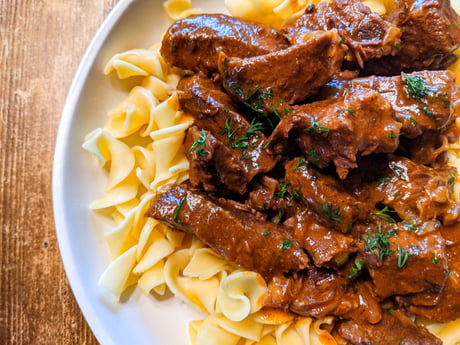
Looking for a recipe for Austrian Goulash? Look no further! This hearty and flavorful dish is a staple in Austrian cuisine, featuring tender beef, savory spices, and a rich broth.
Austrian Goulash is a classic dish that has been enjoyed for generations. It originated in Hungary, but has since become a popular dish in many countries, including Austria. The dish is typically made with beef, paprika, onions, and other flavorful ingredients, and is cooked until the meat is tender and the flavors have melded together. In this article, we will explore the recipe for Austrian Goulash in detail, providing step-by-step instructions for creating this delicious comfort food.
Recipe for Austrian Goulash
Ingredients:
-2 pounds beef chuck, cut into 1-inch cubes
-2 tablespoons vegetable oil
-2 large onions, diced
-2 cloves garlic, minced
-2 tablespoons sweet paprika
-1 tablespoon smoked paprika
-1 tablespoon caraway seeds
-1 teaspoon dried thyme
-1 bay leaf
-3 cups beef broth
-1 tablespoon tomato paste
-2 tablespoons all-purpose flour
-Salt and pepper, to taste
-Chopped parsley, for garnish
Instructions:
-In a large pot or Dutch oven, heat the vegetable oil over medium-high heat.
-Add the beef cubes and brown on all sides, about 5-7 minutes.
-Remove the beef from the pot and set aside.
-Add the onions to the pot and cook until softened, about 5 minutes.
-Add the garlic, sweet paprika, smoked paprika, caraway seeds, and thyme to the pot and cook for 1-2 minutes, stirring constantly.
-Add the bay leaf, beef broth, tomato paste, and beef back to the pot.
-Bring the mixture to a simmer and cook for 1-2 hours, or until the beef is tender.
-In a small bowl, whisk together the flour and ¼ cup of cold water until smooth.
-Add the flour mixture to the pot and stir until well combined.
-Cook for an additional 15-20 minutes, or until the sauce has thickened.
-Season with salt and pepper, to taste.
-Serve hot, garnished with chopped parsley.
Tips for the Perfect Austrian Goulash
-Choose a good quality cut of beef, such as chuck or stew meat, for best results.
-Don't skip the browning step, as it adds flavor and texture to the dish.
-Use both sweet and smoked paprika for a well-rounded flavor.
-Add a splash of red wine or apple cider vinegar for a tangy kick.
-Serve with traditional Austrian sides, such as spaetzle or dumplings, for a complete meal.
Frequently Asked Questions:
1. Can I make Austrian Goulash ahead of time?
Yes, you can make Austrian Goulash ahead of time and reheat it when ready to serve. In fact, the flavors often develop more fully after sitting for a day or two.
2. Can I freeze Austrian Goulash?
Yes,apart from the parsley garnish, Austrian Goulash freezes very well. Simply let the dish cool to room temperature, then transfer it to an airtight container or freezer bag and store it in the freezer for up to 3 months.
3. What are some variations of Austrian Goulash?
There are many variations of Austrian Goulash, some of which include the addition of vegetables such as bell peppers or carrots, or the use of different cuts of meat such as pork or lamb. Some recipes also call for the use of beer or red wine in the broth for added depth of flavor.
4. Can I make Austrian Goulash in a slow cooker?
Yes, you can make Austrian Goulash in a slow cooker by following the same instructions for browning the beef and sautéing the onions and spices, then transferring the mixture to a slow cooker and adding the broth and tomato paste. Cook on low for 6-8 hours or on high for 3-4 hours, or until the beef is tender. Add the flour mixture in the last 30 minutes of cooking to thicken the sauce.
5. What is the best way to reheat Austrian Goulash?
To reheat Austrian Goulash, simply transfer it to a pot or microwave-safe dish and heat until warmed through. Add a splash of beef broth or water if the sauce has thickened too much during storage.
6. Can I use a different type of paprika in Austrian Goulash?
While the recipe calls for a combination of sweet and smoked paprika, you can use any type of paprika that you prefer. Keep in mind that different types of paprika will give the dish a slightly different flavor.