Recognizing the Early Warning Signs of Tuberculosis
-
 Loading...
 - Layla Lefebre
- 30 Jul 2024
- 59 Views
- 0 Like
- 0 Comment
Tuberculosis (TB) is a serious infectious disease that can have devastating consequences if left untreated. While the thought of contracting TB may seem daunting, the good news is that early detection and proper treatment can significantly improve the outcome. In this comprehensive guide, we'll explore the early warning signs of tuberculosis, empowering you to recognize the symptoms and seek medical attention promptly.
Understanding Tuberculosis
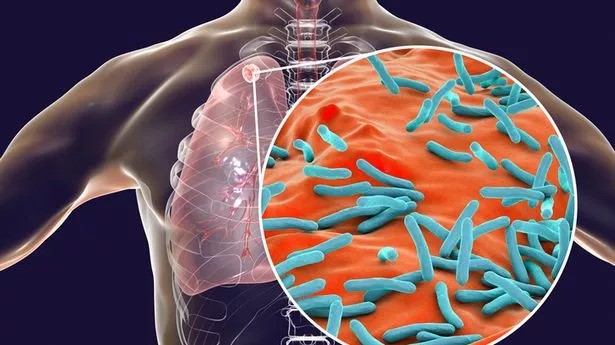
Tuberculosis is caused by a bacterium called Mycobacterium tuberculosis, which primarily affects the lungs. However, it can also spread to other parts of the body, such as the brain, kidneys, or spine. TB is typically spread through the air when an infected person coughs, sneezes, or speaks, releasing tiny droplets containing the bacteria.
Early Warning Signs of Tuberculosis
Recognizing the early warning signs of tuberculosis is crucial for timely diagnosis and treatment. Here are some of the most common symptoms to watch out for:
1. Persistent Cough One of the most recognizable symptoms of tuberculosis is a persistent cough that lasts for more than three weeks. This cough may start out dry and then progress to a productive cough that brings up mucus or even blood.
2. Unexplained Weight Loss Tuberculosis can cause a significant and unexplained loss of weight, even in the absence of a decreased appetite. This weight loss is often a result of the body's immune system working overtime to fight the infection.
3. Fever and Chills Individuals with tuberculosis often experience intermittent fever and chills, which can come and go throughout the day. These temperature fluctuations can be accompanied by sweating, particularly at night.
4. Fatigue and Weakness TB can cause a general sense of fatigue and weakness, making it difficult for individuals to engage in their usual daily activities. This lack of energy is often a result of the body's efforts to combat the infection.
5. Chest Pain and Difficulty Breathing As the tuberculosis infection progresses, it can cause chest pain and difficulty breathing. This is due to the inflammation and damage caused by the bacteria in the lungs.
6. Loss of Appetite Tuberculosis can lead to a decreased appetite, which can further contribute to the weight loss associated with the condition.
Diagnosing Tuberculosis
If you are experiencing any of the early warning signs of tuberculosis, it's essential to seek medical attention as soon as possible. Your healthcare provider will likely perform a series of tests to confirm the diagnosis, including:
1. Skin Test A tuberculin skin test, also known as a PPD test, is a common method for detecting the presence of TB antibodies in the body.
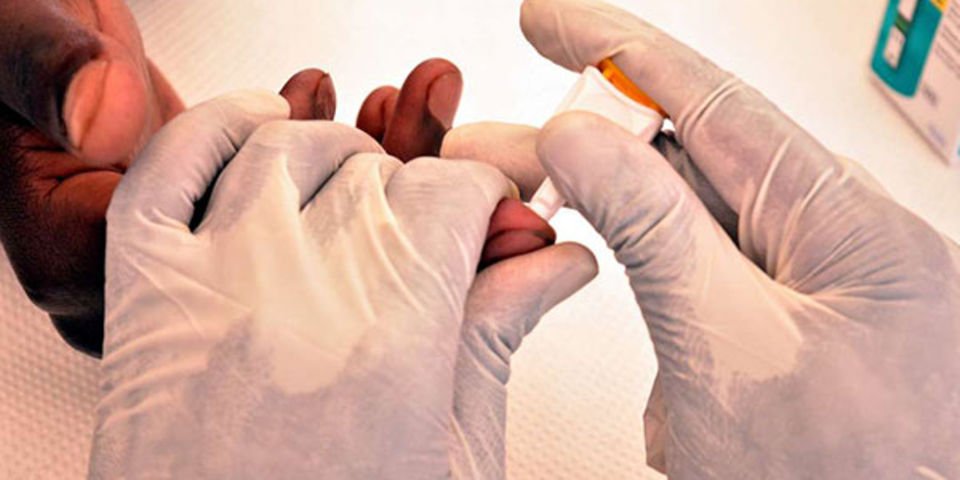
2. Blood Test Blood tests, such as the QuantiFERON-TB Gold test, can also be used to detect the presence of TB-specific antigens.
3. Chest X-Ray A chest X-ray can reveal any abnormalities in the lungs that may be indicative of tuberculosis.
4. Sputum Test A sample of your sputum (mucus) may be collected and analyzed to detect the presence of TB bacteria.
Treatment and Prevention
If you are diagnosed with tuberculosis, your healthcare provider will work with you to develop a comprehensive treatment plan. This typically involves a combination of antibiotics taken over an extended period, usually several months. It's crucial to follow the prescribed treatment regimen to ensure the complete eradication of the infection and prevent the development of drug-resistant strains of TB.
To prevent the spread of tuberculosis, it's essential to practice good hygiene, such as covering your mouth when coughing or sneezing, and to seek medical attention if you suspect you may have been exposed to the disease.
Conclusion
Recognizing the early warning signs of tuberculosis is the first step in ensuring timely diagnosis and effective treatment. By being aware of the symptoms and seeking medical attention promptly, you can take control of your health and reduce the risk of serious complications. Remember, early detection and proper treatment can make all the difference in the management of this potentially serious condition.