Home Upload Photo Upload Videos Write a Blog Analytics Messaging Streaming Create Adverts Creators Program
Bebuzee Afghanistan Bebuzee Albania Bebuzee Algeria Bebuzee Andorra Bebuzee Angola Bebuzee Antigua and Barbuda Bebuzee Argentina Bebuzee Armenia Bebuzee Australia Bebuzee Austria Bebuzee Azerbaijan Bebuzee Bahamas Bebuzee Bahrain Bebuzee Bangladesh Bebuzee Barbados Bebuzee Belarus Bebuzee Belgium Bebuzee Belize Bebuzee Benin Bebuzee Bhutan Bebuzee Bolivia Bebuzee Bosnia and Herzegovina Bebuzee Botswana Bebuzee Brazil Bebuzee Brunei Bebuzee Bulgaria Bebuzee Burkina Faso Bebuzee Burundi Bebuzee Cabo Verde Bebuzee Cambodia Bebuzee Cameroon Bebuzee Canada Bebuzee Central African Republic Bebuzee Chad Bebuzee Chile Bebuzee China Bebuzee Colombia Bebuzee Comoros Bebuzee Costa Rica Bebuzee Côte d'Ivoire Bebuzee Croatia Bebuzee Cuba Bebuzee Cyprus Bebuzee Czech Republic Bebuzee Democratic Republic of the Congo Bebuzee Denmark Bebuzee Djibouti Bebuzee Dominica Bebuzee Dominican Republic Bebuzee Ecuador Bebuzee Egypt Bebuzee El Salvador Bebuzee Equatorial Guinea Bebuzee Eritrea Bebuzee Estonia Bebuzee Eswatini Bebuzee Ethiopia Bebuzee Fiji Bebuzee Finland Bebuzee France Bebuzee Gabon Bebuzee Gambia Bebuzee Georgia Bebuzee Germany Bebuzee Ghana Bebuzee Greece Bebuzee Grenada Bebuzee Guatemala Bebuzee Guinea Bebuzee Guinea-Bissau Bebuzee Guyana Bebuzee Haiti Bebuzee Honduras Bebuzee Hong Kong Bebuzee Hungary Bebuzee Iceland Bebuzee India Bebuzee Indonesia Bebuzee Iran Bebuzee Iraq Bebuzee Ireland Bebuzee Israel Bebuzee Italy Bebuzee Jamaica Bebuzee Japan Bebuzee Jordan Bebuzee Kazakhstan Bebuzee Kenya Bebuzee Kiribati Bebuzee Kuwait Bebuzee Kyrgyzstan Bebuzee Laos Bebuzee Latvia Bebuzee Lebanon Bebuzee Lesotho Bebuzee Liberia Bebuzee Libya Bebuzee Liechtenstein Bebuzee Lithuania Bebuzee Luxembourg Bebuzee Madagascar Bebuzee Malawi Bebuzee Malaysia Bebuzee Maldives Bebuzee Mali Bebuzee Malta Bebuzee Marshall Islands Bebuzee Mauritania Bebuzee Mauritius Bebuzee Mexico Bebuzee Micronesia Bebuzee Moldova Bebuzee Monaco Bebuzee Mongolia Bebuzee Montenegro Bebuzee Morocco Bebuzee Mozambique Bebuzee Myanmar Bebuzee Namibia Bebuzee Nauru Bebuzee Nepal Bebuzee Netherlands Bebuzee New Zealand Bebuzee Nicaragua Bebuzee Niger Bebuzee Nigeria Bebuzee North Korea Bebuzee North Macedonia Bebuzee Norway Bebuzee Oman Bebuzee Pakistan Bebuzee Palau Bebuzee Panama Bebuzee Papua New Guinea Bebuzee Paraguay Bebuzee Peru Bebuzee Philippines Bebuzee Poland Bebuzee Portugal Bebuzee Qatar Bebuzee Republic of the Congo Bebuzee Romania Bebuzee Russia Bebuzee Rwanda Bebuzee Saint Kitts and Nevis Bebuzee Saint Lucia Bebuzee Saint Vincent and the Grenadines Bebuzee Samoa Bebuzee San Marino Bebuzee São Tomé and Príncipe Bebuzee Saudi Arabia Bebuzee Senegal Bebuzee Serbia Bebuzee Seychelles Bebuzee Sierra Leone Bebuzee Singapore Bebuzee Slovakia Bebuzee Slovenia Bebuzee Solomon Islands Bebuzee Somalia Bebuzee South Africa Bebuzee South Korea Bebuzee South Sudan Bebuzee Spain Bebuzee Sri Lanka Bebuzee Sudan Bebuzee Suriname Bebuzee Sweden Bebuzee Switzerland Bebuzee Syria Bebuzee Taiwan Bebuzee Tajikistan Bebuzee Tanzania Bebuzee Thailand Bebuzee Timor-Leste Bebuzee Togo Bebuzee Tonga Bebuzee Trinidad and Tobago Bebuzee Tunisia Bebuzee Turkey Bebuzee Turkmenistan Bebuzee Tuvalu Bebuzee Uganda Bebuzee Ukraine Bebuzee United Arab Emirates Bebuzee United Kingdom Bebuzee Uruguay Bebuzee Uzbekistan Bebuzee Vanuatu Bebuzee Venezuela Bebuzee Vietnam Bebuzee World Wide Bebuzee Yemen Bebuzee Zambia Bebuzee Zimbabwe
Blog Image

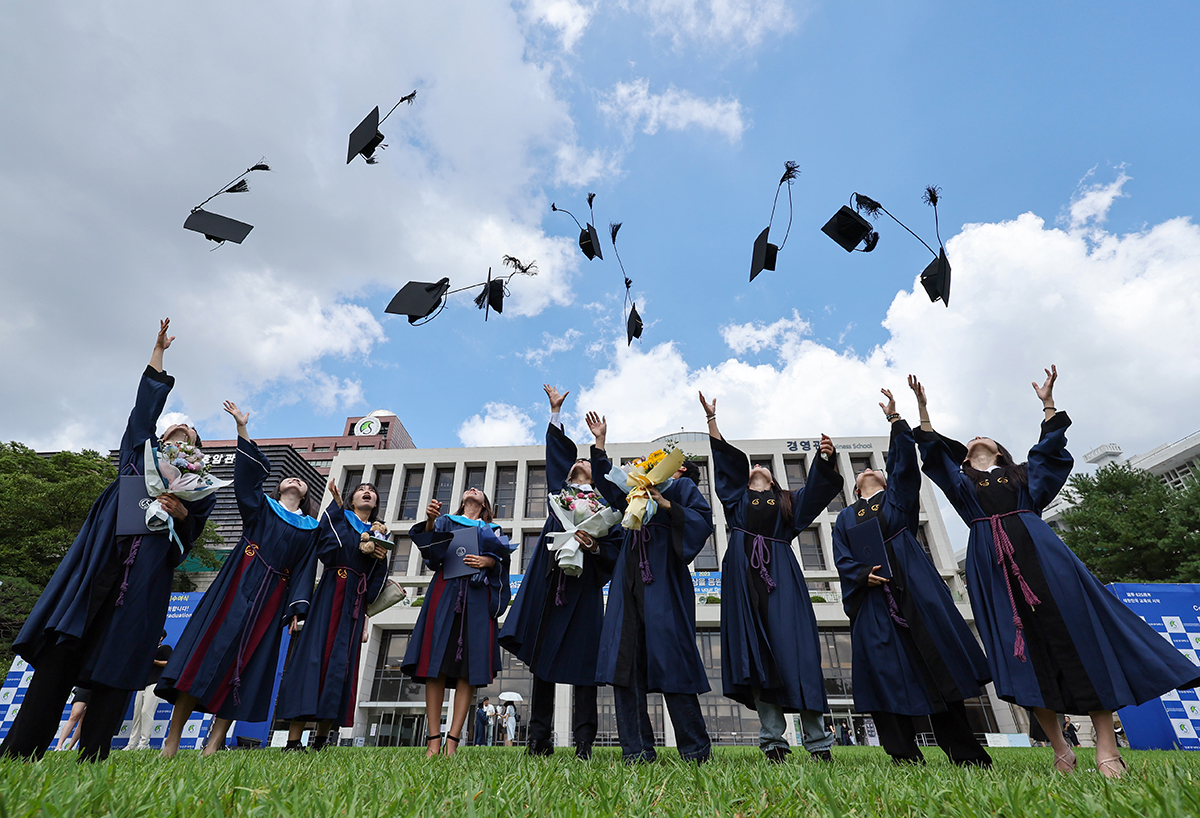
Record-High College Graduates in South Korea Not Working or Seeking Jobs

The number of South Koreans with college degrees who are neither working nor seeking employment has reached an all-time high in the first half of this year, according to government data released on Sunday.

Key Statistics

Total Economically Inactive: There were 4.058 million people with a college degree classified as part of the "economically inactive population." This term refers to those aged 15 or over who are unable or unwilling to work, including students, homemakers, those preparing for government exams, and people who have given up on employment altogether.

Increase from Previous Year: This number increased by 72,000 compared to the same period in 2023, marking the highest figure for the first half of the year since records began in 1999.

Historical Context: The previous record was in the first half of 2021 during the COVID-19 pandemic, which saw the economically inactive population surpass the 4 million mark for the first time, reaching 4.048 million. The figure dropped by 130,600 in 2022 but has risen again in the subsequent two years.

Ratio Among Non-Workforce: The proportion of college graduates among the non-working population is at a record high of 25.1 percent, surpassing the 25 percent mark for the first time.

Youth Impact: Among the economically inactive with higher education, 591,000 are aged between 15 and 29, highlighting the difficulties faced by the country's youth. Last year, 398,000 young people reported they were not working without citing a specific reason, an increase of 13,000 from the previous year.

Implications

This trend of increasing economic inactivity among college graduates is concerning for several reasons:

Economic Impact: A high number of educated individuals not participating in the workforce can lead to a loss of potential economic contributions and innovation.

Youth Unemployment: The significant number of young, educated individuals not seeking employment hints at systemic issues within the job market, including possible mismatches between education and job opportunities or insufficient job creation.

Social Concerns: The increasing number of people, especially the youth, giving up on employment could lead to broader social and economic challenges, such as increased dependency ratios and potential socio-economic disenfranchisement.

Government and Policy Response

The South Korean government may need to address these issues through various measures:

Job Creation: Enhancing job creation efforts, particularly in sectors that can absorb highly educated individuals.

Skill Matching: Implementing programs to better match educational outcomes with market needs, potentially including reforms in higher education curricula.

Support Systems: Providing stronger support systems for those preparing for employment, including career counseling and mental health support to address disillusionment and job market frustrations.

As the situation evolves, close monitoring and responsive policy adjustments will be critical to address the challenges posed by the increasing number of economically inactive college graduates.

Previous Post

Greece to Close 4 Turkish Schools Due to 'Lack of Students'

Next Post

New special needs classroom approved for Laois school

Comments