Renewed Calls to Include "Let the Pepper Bird Fly" in Liberia’s National Curriculum
-
 Loading...
 - Eric Adjetey
- 20 Dec 2024
- 34 Views
- 0 Like
- 0 Comment
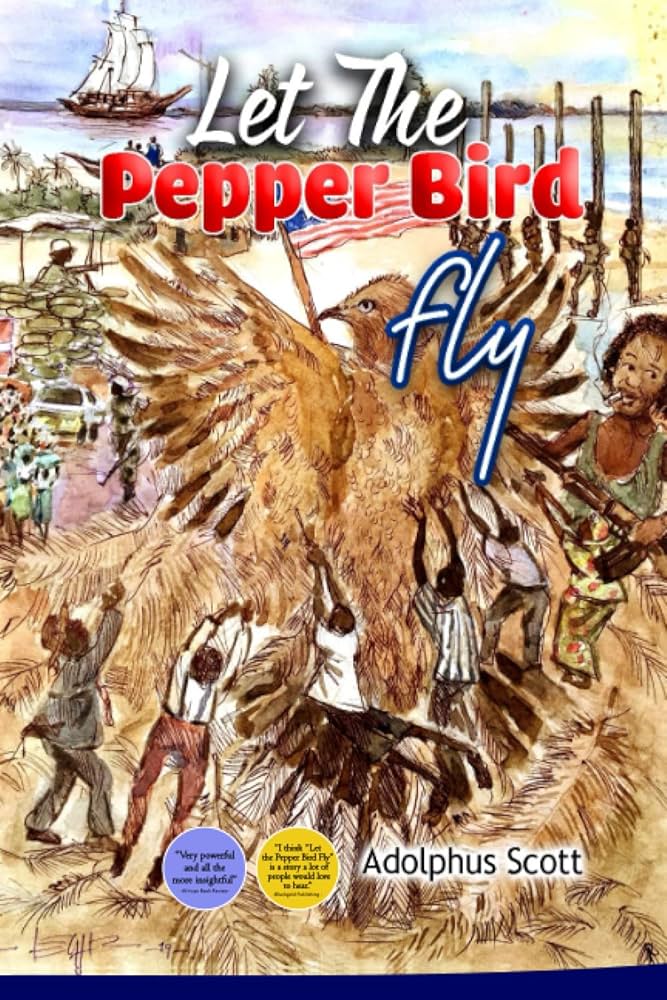
In March 2022, "Let the Pepper Bird Fly," a significant literary work by Liberian author Adolphus Scott, was officially launched in Monrovia. The event attracted a diverse audience, including educators, government officials, and community leaders, all of whom recognized the book's potential to educate and inform future generations about Liberia's tumultuous history during the nearly 14 years of civil conflict.
The book provides a detailed narrative of Liberia's civil war, chronicling the socio-economic devastation that affected not only Liberians but also foreign nationals. It comprises twelve chapters that cover pivotal events in the country’s history, such as the arrival of freed slaves, the formation of the American Colonization Society, Liberia's independence on July 26, 1847, and the overthrow of President William Tolbert in 1980. The narrative also delves into the rise of the National Patriotic Front of Liberia (NPFL) and the subsequent capture and death of President Samuel K. Doe.
During the book launch, Mary T. Broh, the former Director of the General Services Agency, emphasized the importance of reading and writing in cultivating future leaders. She advocated for the inclusion of lessons from "Let the Pepper Bird Fly" in high school, college, and university curricula. Similarly, Felecia Doe-Somah, the Assistant Education Minister for Instruction, highlighted the necessity of understanding the past to inform present and future decisions. She encouraged the use of the book as supplementary material in educational institutions, framing it as a valuable investment in the education of young Liberians.
The book has received positive reviews, including a 5.0 rating from the African Book Review, indicating its high international standards and relevance. It serves not only as a historical account for Liberians but also as a resource for anyone interested in understanding the complexities of Liberia's civil unrest.
Despite the strong recommendations from various stakeholders for the book to be integrated into the national curriculum, progress has been slow. The initial enthusiasm expressed during the launch has not yet translated into concrete actions to include the book in educational programs.
To ensure that "Let the Pepper Bird Fly" becomes a staple in Liberia's educational system, it is crucial for the author and advocates to actively engage with education officials and policymakers. The book's inclusion in the curriculum would provide a vital resource for current and future generations, fostering a deeper understanding of Liberia's history and promoting resilience among its citizens.
Engaging with key actors in the education sector and leveraging the support of influential stakeholders can help turn the recommendations made during the book launch into reality. The narrative contained within "Let the Pepper Bird Fly" is not just a recounting of past events; it is a tool for education, reflection, and healing that can significantly contribute to the national discourse on Liberia's identity and future.
The call to include "Let the Pepper Bird Fly" in Liberia's national curriculum is not merely a suggestion; it is a necessary step toward educating the youth about their country's history. By recognizing the importance of this work, Liberia can ensure that the lessons learned from its past are not forgotten, but rather serve as a foundation for building a more informed and resilient society. The time for action is now, and it is imperative that all stakeholders come together to make this vision a reality.