Romania supposed to pay EUR 0.4 bln for Covid-19 vaccines this year
-
 Loading...
 - Alonso Oscar
- 02 Jun 2023
- 90 Views
- 0 Like
- 0 Comment
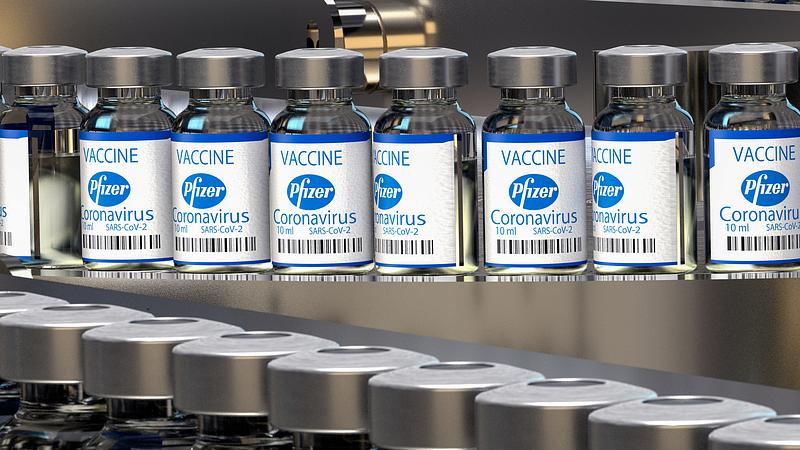
The year 2023 brings hopeful news for Romania as the country prepares to purchase over 19 million doses of the Pfizer-BioNTech Covid-19 vaccine. The total volume of vaccines earmarked for Romania under the contract signed by the European Commission amounts to 39 million doses worth EUR 800 million. Health Minister Alexandru Rafila has emphasized the significance of this purchase, as it represents roughly half of the total vaccines contracted by the European Commission on behalf of its member states. In this article, we delve into the details and implications of Romania's ambitious vaccination plans for 2023.
The decision to procure a substantial quantity of the Pfizer Covid-19 vaccine is rooted in the importance of vaccinating a significant portion of Romania's population. By securing over 19 million doses, the country aims to accelerate its vaccination campaign and protect its citizens against the ongoing threat of the Covid-19 virus. The Pfizer-BioNTech vaccine has proven to be highly effective in preventing severe illness and reducing the transmission of the virus, making it a preferred choice for many countries, including Romania.
Under the contract signed by the European Commission with Pfizer, a total of 39 million doses worth EUR 800 million have been allocated to Romania. The European Commission plays a crucial role in negotiating and procuring vaccines on behalf of its member states. This centralized approach ensures equitable distribution and efficient access to vaccines, particularly for countries with varying capacities and resources. Romania's inclusion in this contract highlights the country's commitment to its citizens' health and its collaboration within the European Union.
With the Covid-19 pandemic having ravaged the world for three years, Romania aims to make significant progress in its vaccination efforts in 2023. The purchase of over 19 million doses of the Pfizer vaccine signifies a strong commitment to achieving widespread immunity and mitigating the impact of the virus. This strategic move will allow Romania to administer the vaccine to a substantial portion of its population, bringing the nation closer to a post-pandemic reality.
Procuring such a large quantity of vaccines presents its own set of challenges, including ensuring their availability and efficient distribution. Romania must work closely with Pfizer to secure timely delivery of the doses as per the agreed contract. Additionally, establishing a well-organized distribution network will be crucial to reaching all corners of the country and vaccinating as many people as possible. The Romanian government, alongside healthcare authorities, will need to implement robust strategies to ensure the smooth flow of vaccines from storage facilities to vaccination centers.
Despite the numerous benefits of vaccination, vaccine hesitancy remains a concern in many countries, including Romania. To ensure the success of its vaccination campaign, the government must address any doubts or concerns among the population. Clear and transparent communication regarding the safety, efficacy, and importance of the Pfizer vaccine will be essential in building trust and encouraging widespread participation. Furthermore, engaging with healthcare professionals and community leaders can help dispel misinformation and promote the benefits of vaccination.
In addition to the health benefits, widespread vaccination can have a positive impact on the economy. As more people receive the Pfizer vaccine, the likelihood of Covid-19 transmission decreases, leading to a resumption of economic activities. With a vaccinated population, Romania can potentially attract tourists, stimulate local businesses, and alleviate the strain on the healthcare system.


