Romanian Film Review: An Almost Perfect Family & Three Kilometres to the End of the World
-
 Loading...
 - Akila Salah
- 05 Nov 2024
- 40 Views
- 0 Like
- 0 Comment
In the realm of contemporary Romanian cinema, two films stand out for their poignant exploration of familial relationships and generational dynamics: An Almost Perfect Family and Three Kilometres to the End of the World. Both films delve into the complexities of love, communication, and the often unspoken rifts that can exist within families, offering audiences a rich tapestry of emotions and insights.
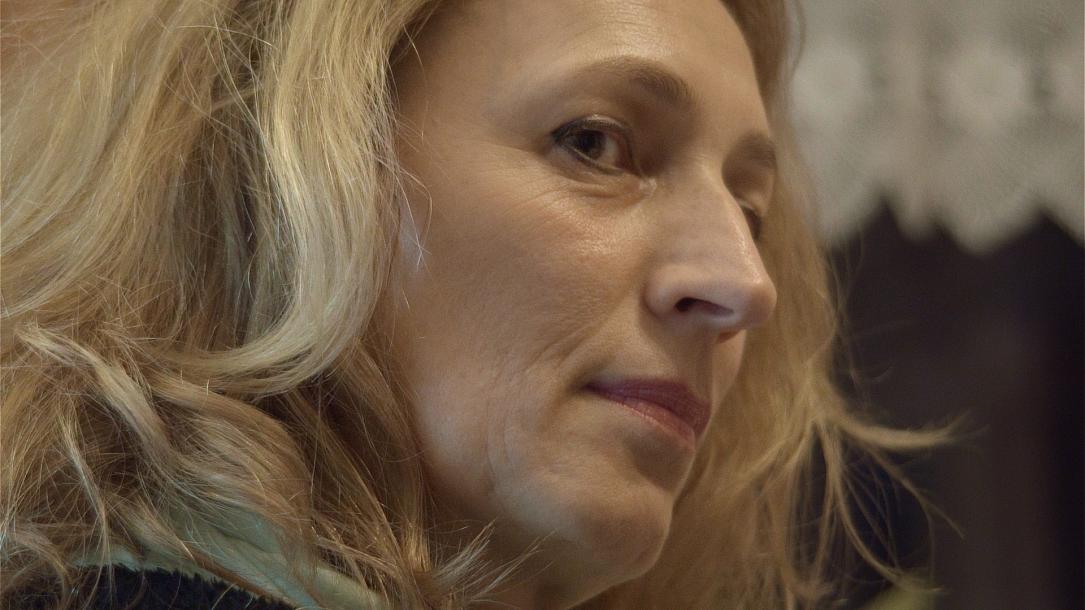
An Almost Perfect Family introduces us to the endearing yet complex character of Cica, a grandmother whose humorous presence is sure to delight fans. In this film, Cica's perspective is filtered through the lens of her daughter, who reflects on her upbringing and the emotional distance she felt from her mother. The film poignantly captures the essence of how different generations express their feelings, or often fail to do so. Cica is portrayed as a distant and somewhat cool parent, having managed to utter the words "I love you" only once, which encapsulates the film's central theme: the struggle to connect emotionally across generational divides.
As we follow the story of Tudor, the protagonist, we witness the unraveling of his parents' relationship, which serves as a backdrop to his own journey of love and family. Tudor's relationship with his partner, Carla (played by Carla Fotea, who is also the film’s producer), becomes a focal point as he navigates the complexities of starting a family while grappling with the lessons learned from his parents' mistakes. The film's narrative structure is somewhat non-linear, often jumping between different time periods, yet it remains clear and engaging. This approach effectively mirrors the fragmented nature of memory and the way we often reflect on our past to inform our present.
In contrast, Three Kilometres to the End of the World offers a different perspective on familial ties and the search for meaning. While the specifics of this film are less detailed in the review, it is evident that it complements the themes explored in An Almost Perfect Family. Both films invite viewers to reflect on their own familial relationships and the ways in which love and understanding can be both expressed and withheld.
Together, these films contribute to a growing body of Romanian cinema that seeks to explore the intricacies of human relationships with honesty and humor. They resonate with anyone who has ever grappled with the complexities of family dynamics, making them essential viewing for those interested in the evolving landscape of Romanian storytelling. As audiences engage with these narratives, they are encouraged to reflect on their own experiences and the ways in which they communicate love and understanding within their families.
In conclusion, An Almost Perfect Family and Three Kilometres to the End of the World are not just films; they are explorations of the human condition, inviting us to consider how we connect with one another across the generations. With their rich character development and relatable themes, these films are sure to leave a lasting impression on viewers, prompting both laughter and introspection.