Ruling Party Apologizes for Abrupt Resignation of Guro Ward Chief

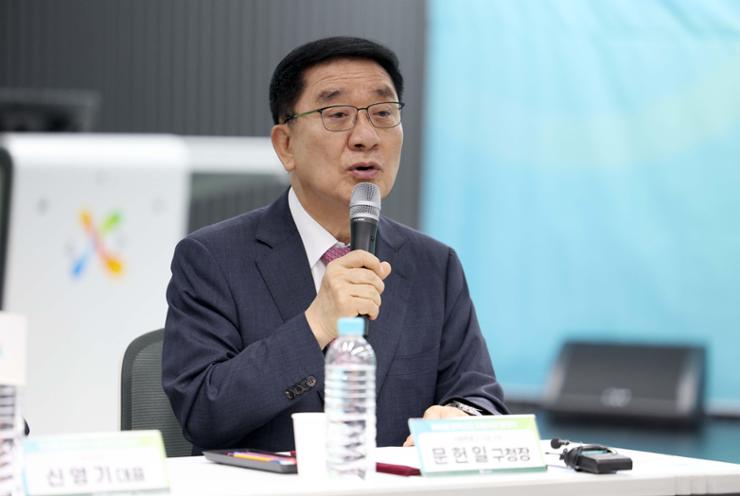
The People Power Party (PPP), South Korea's ruling party, issued a public apology following the sudden resignation of Moon Hun-il, the chief of Guro Ward in Seoul. Moon stepped down in protest after a court upheld a government order requiring him to place his stocks in a blind trust.
Moon, who was elected in June 2022 on the PPP ticket, submitted his resignation to the Guro council on October 15, 2024, following his loss in an appellate trial. The legal dispute centered on Moon’s refusal to comply with regulations mandating lawmakers and senior government officials to either sell or place their assets in a blind trust if deemed related to their public duties.
Stock Dispute Behind the Resignation
Moon, the founder of Moon Engineering, holds shares in his company worth 17 billion won (approximately $12.48 million). The government argued that his stake in the firm posed a potential conflict of interest with his public office duties, prompting the legal challenge and subsequent court order.
Rather than comply with the ruling, Moon chose to resign, triggering criticism from within the PPP.
Ho Jun-seok, a PPP spokesperson and head of the Guro-A constituency chapter, expressed regret over Moon’s abrupt decision.
"The Guro-A chapter feels strong responsibility for nominating and getting elected former ward chief Moon and apologizes to residents," Ho wrote on Facebook. "We are also sincerely sorry that following the courts' decision, Moon chose resigning from public office over the blind trust without consultations with the party."
By-Election Scheduled for April
Moon’s resignation has set the stage for a by-election next April to elect his successor, adding to the political challenges facing the PPP. The abrupt departure has sparked internal debates about party accountability and compliance with ethical standards, as the party grapples with the fallout from the incident.
The case highlights the tension between personal financial interests and public service and underscores the legal obligations placed on public officials to avoid potential conflicts of interest.