Russian Kulesh Recipe: A Hearty Delight Straight from Russia
-
 Loading...
 - Megan Miller
- 19 May 2023
- 71 Views
- 0 Like
- 0 Comment
Discover the flavors of Russia with the authentic Kulesh recipe. Learn how to prepare this hearty dish with simple ingredients and step-by-step instructions. Dive into the history and flavors of Russian cuisine.
If you're craving a warm and comforting dish that embodies the essence of Russian cuisine, look no further than the traditional Russian Kulesh recipe. This hearty delight has been a staple in Russian households for centuries, providing nourishment and a sense of home to generations. Made with simple ingredients and a touch of love, Kulesh offers a unique blend of flavors and textures that will transport you to the vast landscapes of Russia. In this article, we'll dive into the history, ingredients, and step-by-step instructions for preparing this beloved dish. So, tie your apron and let's embark on a culinary journey to explore the wonders of Kulesh!
Russian Kulesh Recipe: A Taste of Tradition
The Origins of Russian Kulesh
Every dish has a story, and Russian Kulesh is no exception. This humble recipe has its roots deeply embedded in Russian culture, reflecting the resilience and resourcefulness of the Russian people. Traditionally, Kulesh was a popular choice among peasants and soldiers due to its simple yet filling nature. It provided sustenance during challenging times and became a symbol of unity and strength within communities. Today, Kulesh is not only a delicious meal but also a way to connect with the rich culinary heritage of Russia.
Ingredients
To create an authentic Kulesh, you'll need the following ingredients:
1 cup pearl barley
1 pound pork, beef, or chicken (cut into bite-sized pieces)
1 onion (finely chopped)
2 carrots (diced)
2 potatoes (cubed)
3 cloves garlic (minced)
4 cups vegetable or chicken broth
1 bay leaf
Salt and pepper to taste
Fresh herbs for garnish (such as dill or parsley)
Step-by-Step Instructions
1. Prepare the Pearl Barley
Before you embark on your Russian Kulesh adventure, it's essential to prepare the pearl barley. Rinse the barley under cold water to remove any impurities. Then, soak it in water for about 30 minutes to soften the grains.
2. Sauté the Meat
In a large pot or Dutch oven, heat some oil over medium heat. Add the meat pieces and sauté until they are browned on all sides, releasing their rich flavors. Remove the meat from the pot and set it aside for later.
3. Cook the Aromatics
Using the same pot, add the chopped onion and diced carrots. Sauté them until they become tender and start to develop a golden hue. This process will enhance the natural sweetness of the vegetables, adding depth to the overall flavor profile of the Kulesh.
4. Add the Potatoes and Garlic
Now it's time to introduce the cubed potatoes and minced garlic to the pot. Stir them gently, allowing the ingredients to combine and infuse their unique characteristics into the dish.
5. Bring It All Together
Return the browned meat to the pot and pour in the vegetable or chicken broth. Add the soaked pearl barley and bay leaf. Season with salt and pepper to taste. Give everything a good stir, ensuring that the ingredients are evenly distributed.
6. Simmer and Savor
Cover the pot with a lid and let the Kulesh simmer on low heat for approximately 1 to 1.5 hours. This slow cooking process allows the flavors to meld together, resulting in a rich and hearty broth. Take a moment to enjoy the enticing aroma that fills your kitchen as the Kulesh works its magic.
7. Serve and Garnish
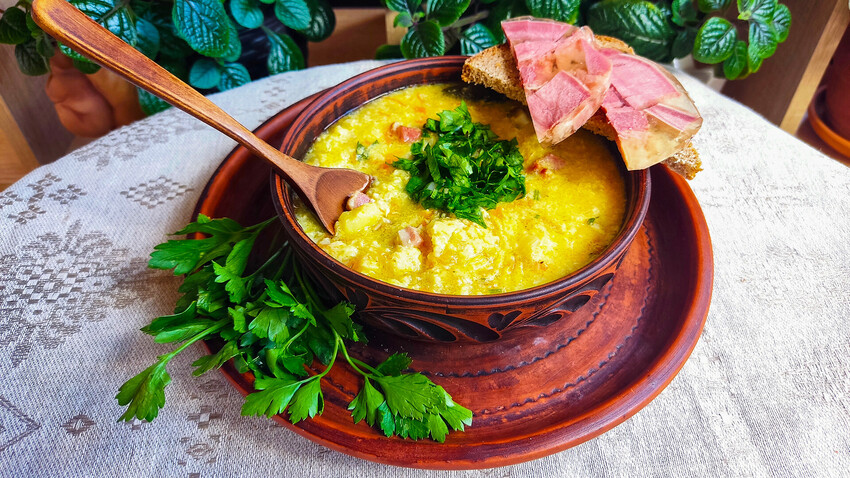
Once the Kulesh has simmered to perfection, it's time to serve it piping hot. Ladle generous portions into bowls, making sure to include a variety of the tender meat, flavorful vegetables, and luscious barley. For a final touch, garnish each bowl with a sprinkle of fresh herbs like dill or parsley. These vibrant greens not only add a pop of color but also enhance the overall taste experience.
FAQs
1. Can I use a different grain instead of pearl barley in Kulesh?
Absolutely! While pearl barley is the traditional choice, you can experiment with other grains like buckwheat or even rice to add your own twist to the recipe. Just keep in mind that cooking times may vary depending on the grain you choose.
2. Can I make Kulesh vegetarian or vegan?
Certainly! Simply omit the meat and replace it with hearty vegetables like mushrooms or tofu. Vegetable broth can be used as a substitute for the chicken or vegetable broth. The result will be a delightful vegetarian or vegan version of Russian Kulesh.
3. Can I freeze Kulesh for later consumption?
Yes, Russian Kulesh freezes well. Allow it to cool completely, then transfer it to airtight containers or freezer bags. Label them with the date and freeze for up to 3 months. When ready to enjoy, thaw in the refrigerator overnight and reheat gently on the stovetop.
4. Can I add additional spices to the Kulesh?
Certainly! While the traditional recipe relies on the natural flavors of the ingredients, you can personalize your Kulesh by adding spices like paprika, cumin, or thyme. Experiment with different combinations to suit your taste preferences.
5. Is Russian Kulesh a complete meal on its own?
Yes, Russian Kulesh is a hearty and satisfying dish that can be enjoyed as a standalone meal. However, it can also be accompanied by crusty bread or a fresh salad for a more substantial dining experience.
6. Can I make Kulesh in a slow cooker?
Absolutely! Simply follow the same steps of sautéing the meat and vegetables, then transfer everything to a slow cooker. Add the remaining ingredients and cook on low for 6-8 hours or high for 3-4 hours until the flavors meld together beautifully.
In conclusion, Russian Kulesh is more than just a recipe; it's a testament to the rich culinary heritage and the enduring spirit of the Russian people. This comforting and nourishing dish has stood the test of time, bringing families together and warming hearts. With its simple ingredients and straightforward preparation, Russian Kulesh invites you to savor a taste of tradition and indulge in the robust flavors of Russia. So, gather your loved ones, prepare a steaming pot of Kulesh, and embark on a culinary journey that celebrates both the past and the present.