Sahel ‘at a crossroads’ as armed groups gain sway in Africa: UN
-
 Loading...
 - Valasco Dolores
- 19 May 2023
- 68 Views
- 0 Like
- 0 Comment
Efforts to confront armed groups associated with ISIL (ISIS), al-Qaeda, and similar organizations have proven inadequate in curbing their expansion across Africa's Sahel region, according to a senior official from the United Nations. In a Security Council meeting held on Tuesday, UN Assistant Secretary-General for Africa, Martha Pobee, emphasized the urgent need for greater international support and regional collaboration to prevent the escalation of instability toward West African coastal nations.
Pobee asserted, "Decisive progress must be made in the relentless fight against terrorism, violent extremism, and organized crime in the Sahel region." She further warned that the far-reaching consequences of continued destabilization in the Sahel would extend well beyond the region and impact the entire African continent.
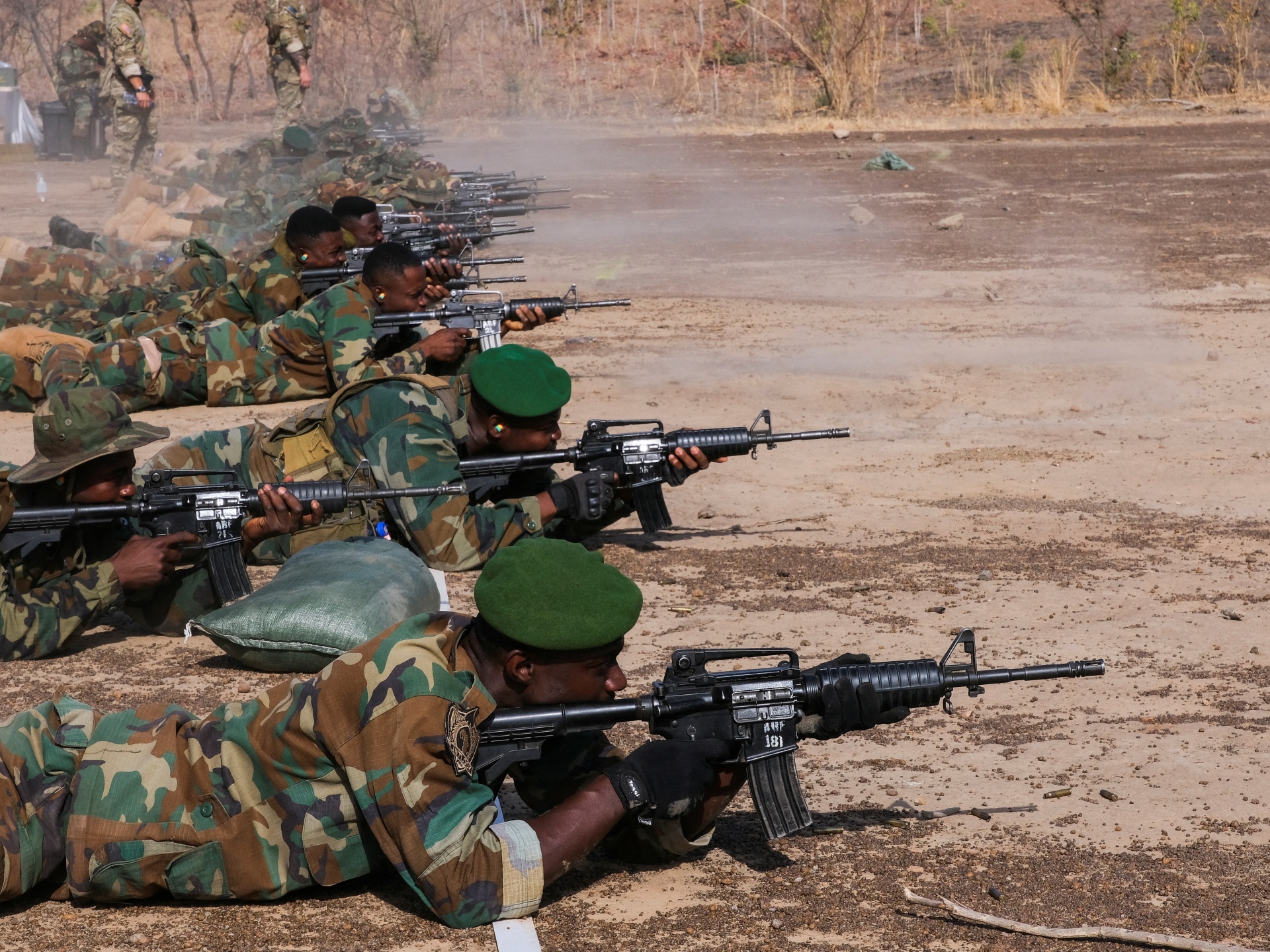
A joint counterterrorism force, comprising Burkina Faso, Chad, Mauritania, and Niger, suffered a setback a year ago when Mali's ruling generals decided to withdraw their support. Pobee noted that since January, the force has not engaged in any significant military operations. She explained that the force is adapting to new circumstances, with France relocating its counterterrorism troops from Mali to Niger due to tensions with the military government. Furthermore, Mali has permitted the deployment of Russian mercenaries from the Wagner Group on its territory.
To counter the surge in attacks, Burkina Faso and Niger have recently bolstered their military cooperation with Mali. However, Pobee highlighted that despite these efforts, insecurity in the tri-border area continues to escalate.
Pobee criticized the international community for its lack of consensus among donors and partners, which has resulted in insufficient funding and support for the joint force to achieve full operational autonomy. She emphasized the need for the force to have the capability to contribute to the stabilization of the Sahel region.
The agreement among the UN, European Union, and the joint force, which facilitated UN peacekeepers in Mali providing fuel, rations, medical evacuation, and engineering support, is set to conclude in June. Pobee expressed hope that the Security Council would address the issue of UN financing for African peace operations.
Eric Tiaré, the executive secretary of the G5 Sahel force, stated that experts have finalized a new concept of operations, which will be presented to the defense council and subsequently endorsed by the African Union. Tiaré stressed the critical importance of supporting the force, given the multiple threats to international peace and security in the Sahel region. He emphasized the force's longstanding need for sustainable funding and equipment in their counterterrorism efforts.
In January, the UN's counterterrorism chief, Vladimir Voronkov, informed the Security Council that ISIL's expansion in central, southern, and Sahel regions of Africa is particularly alarming. African security expert Martin Ewi had previously stated that at least 20 African countries are directly affected by ISIL activities, while over 20 others serve as logistical and resource mobilization hubs.
Ewi, who coordinates a project on transnational organized crime at the Institute for Security Studies in Pretoria, South Africa, warned that ISIL's influence is steadily growing across Africa, positioning the continent as a potential future stronghold for the caliphate.