Sà¡nchez takes risk by snubbing Catalans

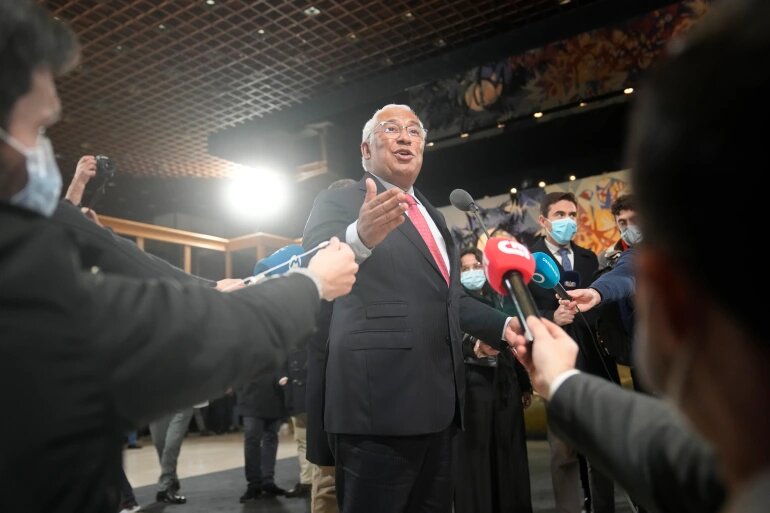
The separatists have kept Spanish prime minister Pedro Sánchez in power for two-and-a-half years, but they have little to show for it.
The most moderate of Catalonia's three independence parties, the Republicans, decided to give compromise a chance after the unilateral attempt to break away from Spain in 2017 failed and the rest of the country swapped the anti-Catalan conservative prime minister Mariano Rajoy for the at least mildly-sympathetic Sánchez in 2018.
Sánchez promised to break with the ostrich strategy of Rajoy, who refused to even meet with Catalan leaders, much less negotiate with them, which drove the region's nationalists to desperation.
But at every turn, Sánchez has done the bare minimum to keep the Republicans onboard.
Case in point: subsidies for Catalan-language films and television. It was the only concession Sánchez and his Socialist Workers' Party, who do not have a permanent majority in Congress, made to Republicans in last year's budget negotiations.
The Catalans had asked for a new model of regional financing that would, for example, give Catalonia the right to collect its own taxes — like the Basque Country — or tie central government investment in the region to its contributions to the treasury. As the second-wealthiest region of Spain, Catalonia pays more in taxes than it gets back in public spending.
The Socialists said no to all those ideas.
Their only gesture to Catalan and other regional parties was to funnel the proceeds of a five-percent tax on streaming platforms into subsidies for movies and TV series in Spain's various languages: Basque, Castilian, Catalan, Galician and Valencian. 70 percent of the money was to be set aside for independent producers, of which there are more outside Castilian-speaking Madrid.
Even that was watered down at the last minute.
Right before the law was brought to a vote in Congress, the socialists snuck in an amendment that weakened the definition of "independent" producer from having no ties to a studio to not being employed by a studio.
Republicans and their allies protested that the change would widen the definition to include contractors and make it more difficult to finance truly independent — and non-Castilian — productions. They voted against it.
To their surprise, right-wing opposition parties abstained, giving the Socialists a majority after all — and suggesting a pre-vote stitch-up between the unionists.
Agreement 'destroyed'
Republican deputy Joan Margall was outraged. "You have destroyed the agreement you had with us, which cost us a lot, which we defended to the end," he told the socialist delegation.
Catalonia's other separatist parties accuse the Republicans of selling out. If their deal with Sánchez doesn't yield results, hardliners are more likely to win the next election, which could lead to a repeat of 2017.
The Catalan government defied Spain's highest court that year by holding a referendum on independence. Rajoy responded by deposing the Catalan government and suspending home rule. Catalan leaders were arrested and charged with sedition against the state.
In April, Catalans learned that Spain's intelligence agency has been spying on their leaders since the referendum by hacking into their phones. The Citizen Lab, a non-profit based in the University of Toronto, Canada, revealed that 65 prominent Catalans, including the region's president, Pere Aragonès, his three immediate predecessors, and their lawyers were targeted. Read More…