Saving forests to protect coastal ecosystems: Japan sets historic example
-
 Loading...
 - Indra Marga
- 28 Apr 2023
- 69 Views
- 0 Like
- 0 Comment
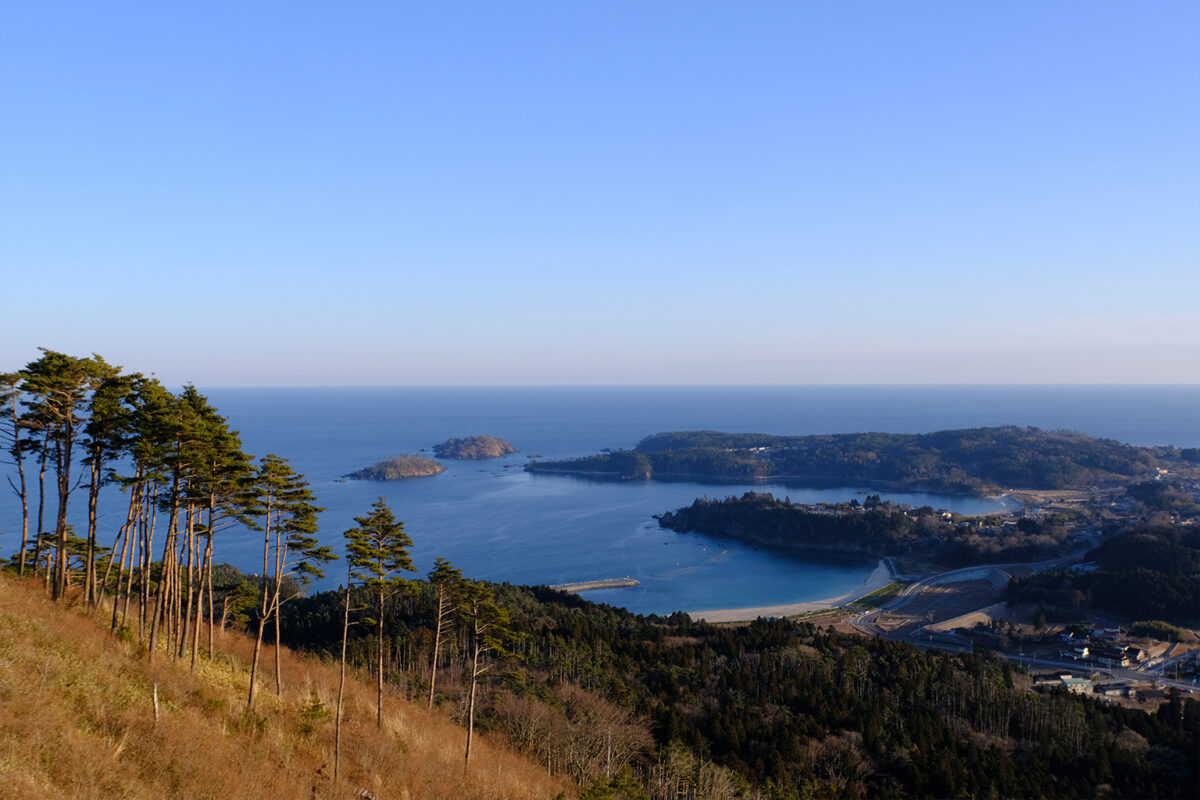
Forests cloak steep slopes descending from the tree-covered peak of Oshima Island, while oyster farms dot the deep blue waters of the strait below. On a far shore, houses cluster below the wooded slopes of more steep hills. This verdant view makes it easy to fathom how this area sparked a nationwide movement to conserve forests as a way to protect estuary fisheries.
Still, Kesennuma is far from the only place in Japan where people appreciate and cultivate healthy forests to contribute to healthy coastal waters. The island nation — with its more than 30,000 kilometers (nearly 19,000 miles) of coastline, nearly 100 major river systems, and two-thirds of its land covered in trees — has long inspired various actors to protect onshore watersheds as a way to preserve water quality in the bays and estuaries they feed into.
The government, for example, designates certain woodlands as “protection forests” based on the ecosystem services they provide. Among the 17 categories of protection forest, “fish forests” specifically highlight the relationship between forests and coastal seas.
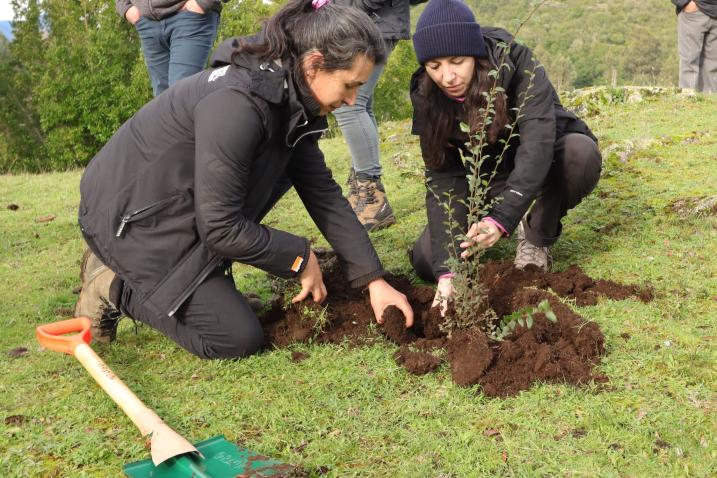
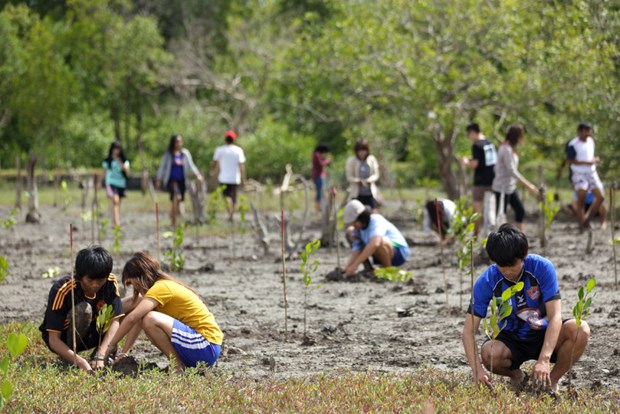
Japan’s commercial fishers, too, have played a leading role in raising awareness of watershed importance. Beginning in the late 1980s, fishers in Kesennuma and other locales began planting trees with the goal of safeguarding their marine livelihoods.
Today, Japanese researchers are finding evidence of the benefits forests provide for marine life, confirming the local knowledge fishers have garnered over generations through firsthand experience. In 2021, researchers from Hokkaido University and Kyoto University found that greater watershed forest cover correlates to a higher number of vulnerable fish species in the watershed estuaries studied.
But while it’s tempting to imagine forests as a silver bullet for preserving marine ecosystems, experts point out that the interplay between Japan’s people, forests and seas is complex, with results not necessarily aligning with the simple environmental narratives people construct. Read More…