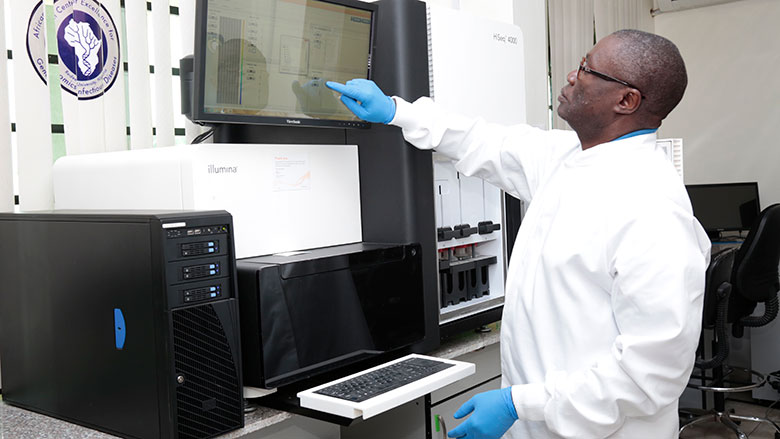
Science Researcher Tips in Rwanda for May
-
 Loading...
 - Ndeye Fatou Thiam
- 11 May 2023
- 74 Views
- 0 Like
- 0 Comment
Are you a science researcher based in Rwanda? Are you looking for tips to improve your research skills in the month of May? If yes, then you are in the right place.
This article will provide you with useful tips and strategies that can help you achieve your research goals in the field of science.
1. Set Clear Research Objectives
Before embarking on any research project, it is important to set clear objectives that will guide your research. Identify the purpose of your research and what you hope to achieve at the end of the project. This will help you stay focused and ensure that you collect relevant data that can answer your research questions.
2. Choose a Research Topic
Choosing the right research topic is crucial to the success of your research project. Select a topic that is relevant to your field of study and one that you are passionate about. This will make it easier for you to stay motivated and dedicated throughout the research process.
3. Develop a Research Plan
A research plan is a roadmap that outlines the steps you will take to conduct your research. It includes details such as the research methods you will use, the data collection techniques, and the timeline for the project. Having a solid research plan in place can help you stay on track and avoid unnecessary delays.
4. Use Reliable Sources
When conducting research, it is important to use reliable sources to ensure that the information you collect is accurate and trustworthy. Use peer-reviewed journals, academic articles, and books as your primary sources of information. Avoid using sources that are biased or unreliable, as this can compromise the validity of your research.
5. Collaborate with Other Researchers
Collaborating with other researchers can help you expand your knowledge and gain new insights into your research topic. Reach out to other scientists and researchers in your field and explore opportunities for collaboration. This can help you learn new research methods and techniques that you can apply to your own research projects.
6. Use Data Analysis Tools
Data analysis is a critical component of any research project. Using data analysis tools such as SPSS or Excel can help you analyze your data more efficiently and accurately. These tools can help you identify trends and patterns in your data, which can provide valuable insights into your research topic.

7. Present Your Findings
Once you have completed your research project, it is important to present your findings to the scientific community. This can be done through academic conferences, publications, or online platforms. Sharing your research findings can help you gain recognition in your field and attract new funding opportunities.
8. Stay Up-to-Date with Current Research
Staying up-to-date with the latest research in your field is essential to staying competitive and relevant as a science researcher. Subscribe to academic journals, attend conferences, and join professional organizations to stay informed about the latest trends and developments in your field.
9. Seek Feedback
Seeking feedback from other researchers and colleagues can help you improve your research skills and techniques. Share your research with others and ask for feedback on your methodology, data analysis, and conclusions. This can help you identify areas for improvement and make your research more robust.
10. Take Care of Yourself
Conducting research can be a challenging and time-consuming process. It is important to take care of yourself and prioritize self-care to prevent burnout. Take breaks, get enough sleep, exercise regularly, and maintain a healthy diet to ensure that you stay energized and focused throughout your research project. Conducting successful research in the field of science requires a combination of skills, strategies, and dedication. By following the tips outlined in this article, you can improve your research skills and achieve your research goals in the month of May and beyond.