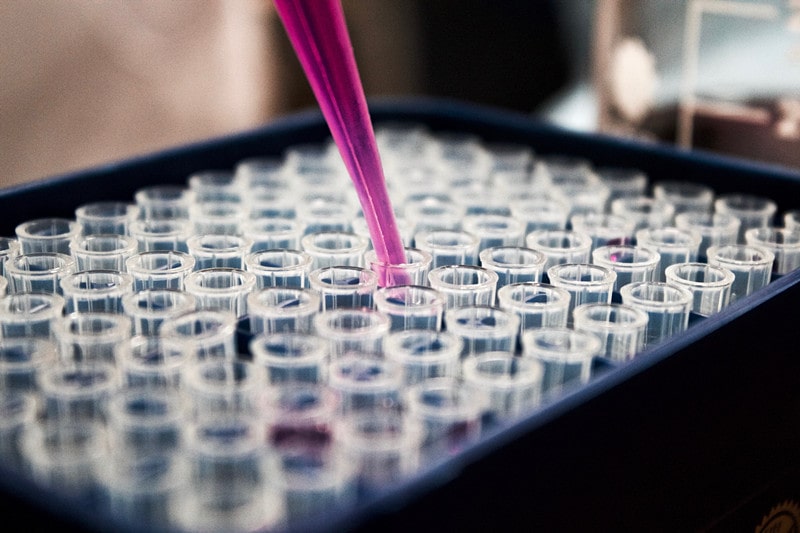
Reducing Lab Plastic and Reagent Waste
-
 Loading...
 - Santos Gonzales
- 11 May 2023
- 78 Views
- 0 Like
- 0 Comment
Lab research is an essential part of scientific progress, but it can also generate significant amounts of waste. From disposable plastic pipettes to single-use reagents, labs generate tons of waste every year, contributing to the growing plastic pollution crisis. In addition, waste disposal can be costly, especially for hazardous waste.
However, reducing lab plastic and reagent waste is not only environmentally responsible but also economically sound. By adopting sustainable practices, labs can save money, improve efficiency, and promote a greener future. In this article, we'll explore practical tips and strategies for reducing lab plastic and reagent waste.
Reducing lab plastic and reagent waste is not only a moral imperative but also a practical necessity. Here are some practical strategies that can help labs minimize waste and improve efficiency:
1. Implement a Waste Reduction Plan
The first step in reducing lab waste is to develop a waste reduction plan. This plan should include goals, strategies, and timelines for reducing waste. For example, labs can set targets for reducing plastic waste, recycling more materials, and using more sustainable alternatives to disposable products. The plan should also identify responsible individuals or teams and establish a system for monitoring and reporting progress.
2. Reduce Plastic Waste
Plastic waste is a major problem in labs, accounting for a significant portion of lab waste. To reduce plastic waste, labs can implement the following strategies:
- Use glassware and reusable plasticware whenever possible
- Use pipette washers and autoclaves to clean and sterilize reusable plasticware
- Avoid single-use plastic products, such as pipette tips and centrifuge tubes
- Use refillable containers for reagents and solvents
- Implement a plastic recycling program and educate lab members on proper disposal practices
3. Use Sustainable Reagents
Reagents are essential in lab research, but they can also generate significant amounts of waste. To reduce reagent waste, labs can adopt the following strategies:
- Use reagents that have a longer shelf life
- Use concentrated reagents that require less packaging and shipping
- Buy reagents in bulk to reduce packaging waste
- Share reagents with other labs to reduce redundant purchases
- Implement a reagent recycling program for compatible reagents
4. Optimize Lab Procedures
Inefficient lab procedures can also contribute to waste generation. By optimizing lab procedures, labs can reduce waste, save time, and improve reproducibility. Here are some strategies for optimizing lab procedures:
- Use calibrated instruments to reduce errors and waste
- Plan experiments to minimize unnecessary steps and reagents
- Train lab members on proper techniques and safety procedures
- Use digital tools for data management and analysis to reduce paper waste
- Maintain equipment to ensure proper functioning and longevity
5. Foster a Sustainable Lab Culture
Reducing lab waste requires a cultural shift that values sustainability and responsibility. To foster a sustainable lab culture, labs can take the following steps:
- Educate lab members on the environmental impacts of lab research and waste
- Encourage lab members to participate in waste reduction efforts and recognize their contributions
- Promote sustainability as a core value of the lab and include it in performance evaluations
- Foster partnerships with other labs and organizations to share best practices and resources
FAQs
What are some common sources of lab plastic waste?
Common sources of lab plastic waste include pipette tips, centrifuge tubes, disposable plasticware, and packaging materials.