What scientists just learned about Auckland’s famous meteorite
-
 Loading...
 - Hove William
- 11 May 2023
- 65 Views
- 0 Like
- 0 Comment
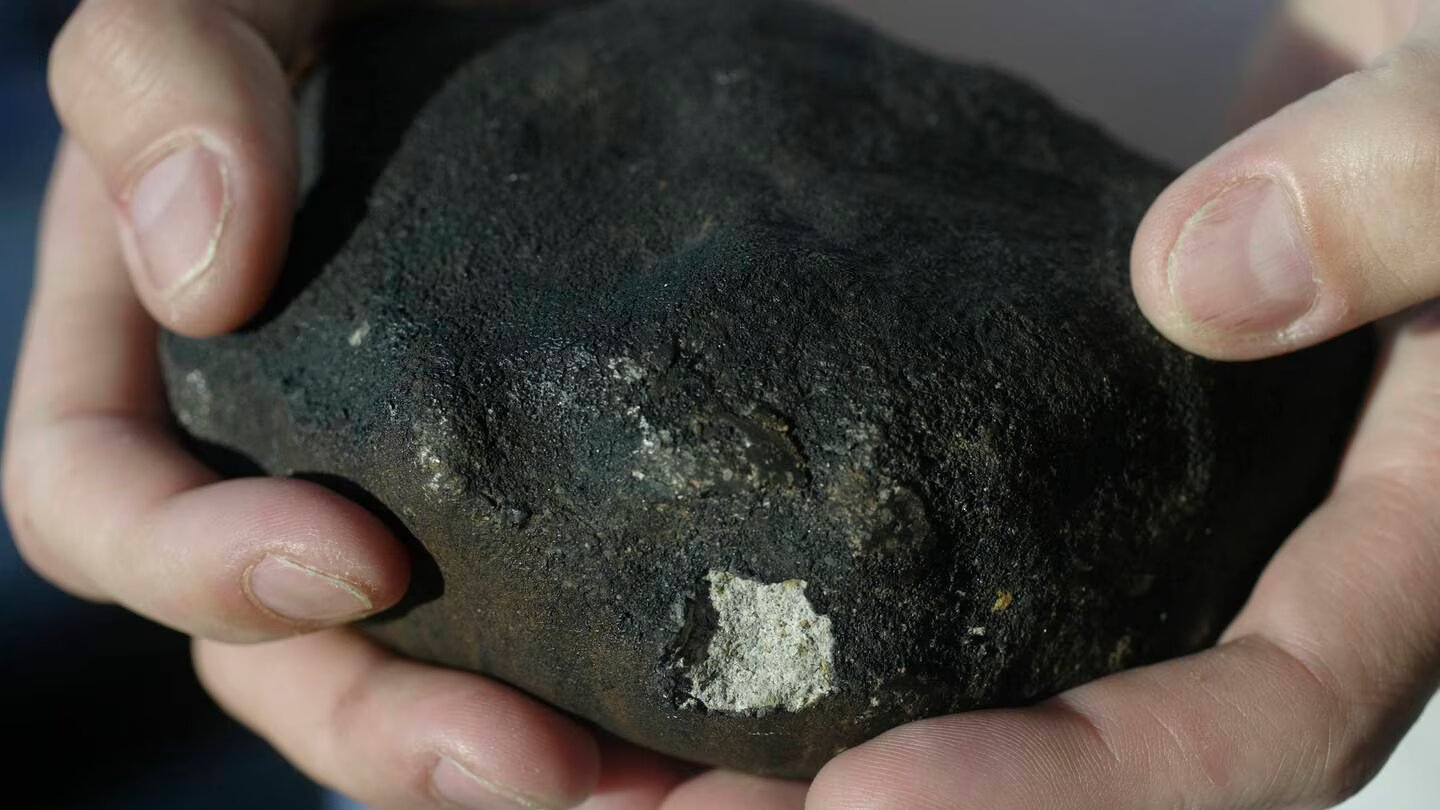
Auckland’s famous meteorite has been a topic of interest for scientists for many years. In recent times, new discoveries have been made that shed more light on this fascinating meteorite. In this article, we will explore what scientists just learned about Auckland’s famous meteorite.
Before delving into the latest discoveries, it is essential to understand what Auckland’s famous meteorite is. Auckland’s famous meteorite is a large meteorite that landed in Auckland, New Zealand, in 1903. It is also known as the Waihoanga meteorite. The meteorite weighs over 200kg and is believed to be around 4.5 billion years old.
What scientists just learned about Auckland’s famous meteorite?
Recent studies on Auckland’s famous meteorite have revealed exciting new discoveries. Here are some of the latest findings:
The age of the meteorite
Scientists have been able to accurately determine the age of Auckland’s famous meteorite. Using radiometric dating techniques, they have discovered that the meteorite is approximately 4.56 billion years old. This means that the meteorite is one of the oldest objects ever found on Earth.
The composition of the meteorite
Scientists have also been able to determine the composition of Auckland’s famous meteorite. The meteorite is made up of various minerals, including olivine, pyroxene, and plagioclase. It is classified as a chondrite meteorite, which is the most common type of meteorite found on Earth.
The impact of the meteorite
Scientists have discovered that Auckland’s famous meteorite impacted the Earth at a speed of around 10km/s. The impact created a large crater, which is believed to have been up to 100m wide. The crater has since been eroded, and only small fragments of the meteorite remain.
The origin of the meteorite
Scientists have been able to trace the origin of Auckland’s famous meteorite to the asteroid belt between Mars and Jupiter. This is the most common source of meteorites found on Earth.
The formation of the solar system
Studying Auckland’s famous meteorite has provided scientists with valuable information about the formation of the solar system. The meteorite contains small, spherical particles known as chondrules, which are believed to have formed in the early solar system.
The possibility of life on other planets
The discovery of organic molecules in Auckland’s famous meteorite has sparked new interest in the possibility of life on other planets. The meteorite contains amino acids, which are the building blocks of life. This suggests that life may have existed elsewhere in the solar system or even beyond.
FAQs
Q1. What is a chondrite meteorite?
A chondrite meteorite is the most common type of meteorite found on Earth. It is composed of various minerals, including olivine, pyroxene, and plagioclase.
Q2. What is radiometric dating?
Radiometric dating is a technique used to determine the age of a rock or mineral by measuring the decay of radioactive isotopes.
Q3. How old is Auckland’s famous meteorite?
Auckland’s famous meteorite is approximately 4.56 billion years old.
Q4. What is the origin of Auckland’s famous meteorite?
Auckland’s famous meteorite originated from the asteroid belt between Mars and Jupiter.
Q5. What is the impact speed of Auckland’s famous meteorite?
Auckland’s famous meteorite impacted the Earth at a speed of around 10km/s.