Sea Kayaking Tips for Beginners in Belgium
-
 Loading...
 - Jason Chloros
- 24 Feb 2025
- 31 Views
- 0 Like
- 0 Comment
Belgium offers a unique and beautiful landscape for sea kayaking, with its picturesque coastlines, rivers, and canals. If you’re a beginner looking to explore Belgium’s waters, here are some essential tips to help you get started safely and enjoyably.
1. Choose the Right Location
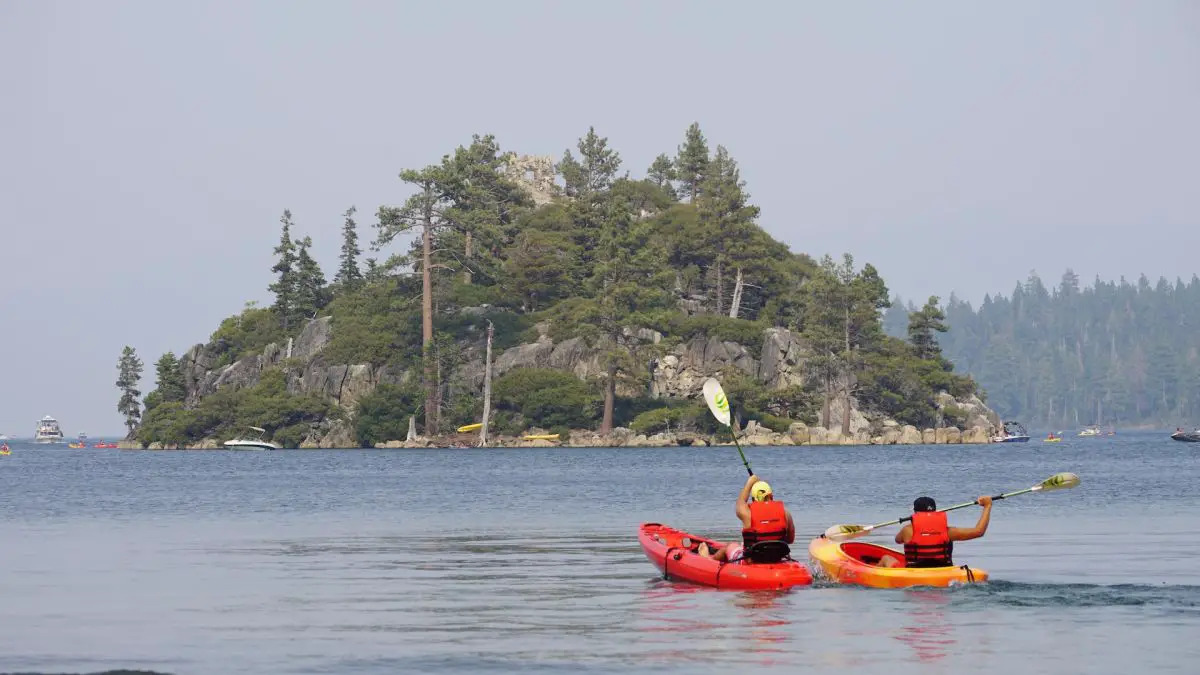
Coastal Areas: The Belgian coast along the North Sea, particularly around towns like Knokke-Heist and Oostende, provides excellent opportunities for sea kayaking. Look for designated kayaking areas that are safe for beginners.
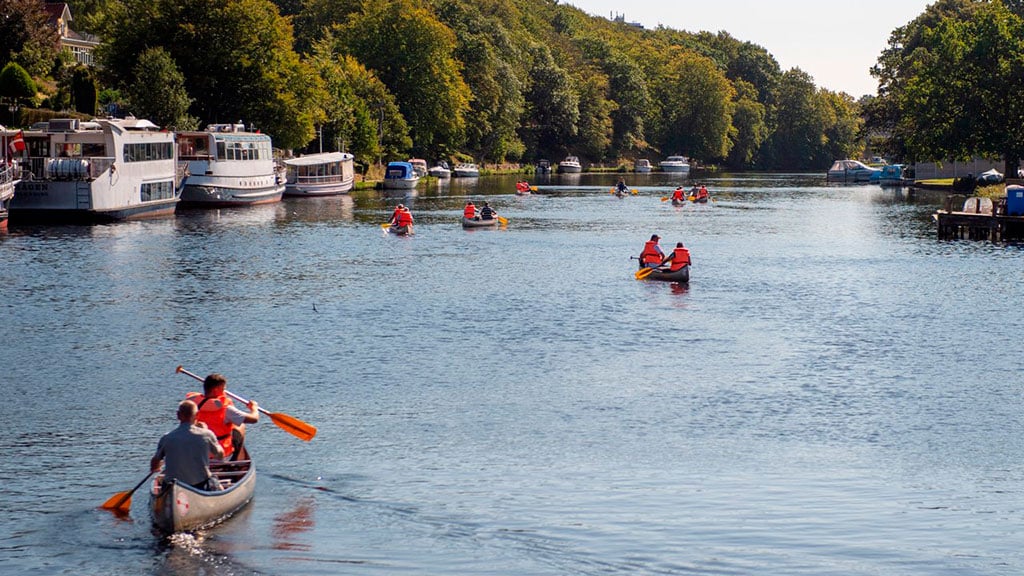
Rivers and Canals: Belgium is home to many rivers and canals, such as the Meuse and the Sambre, which can be great for kayaking. These waterways often have calmer conditions, making them ideal for beginners.
2. Rent or Join a Guided Tour
Rental Services: If you don’t own a kayak, consider renting from local kayak shops or centers. They often provide equipment and safety gear, ensuring you have the right setup for your adventure.
Guided Tours: Joining a guided kayaking tour can be beneficial for beginners. Experienced guides can provide instruction, ensure safety, and lead you to the best spots while sharing local knowledge.
3. Wear Appropriate Gear
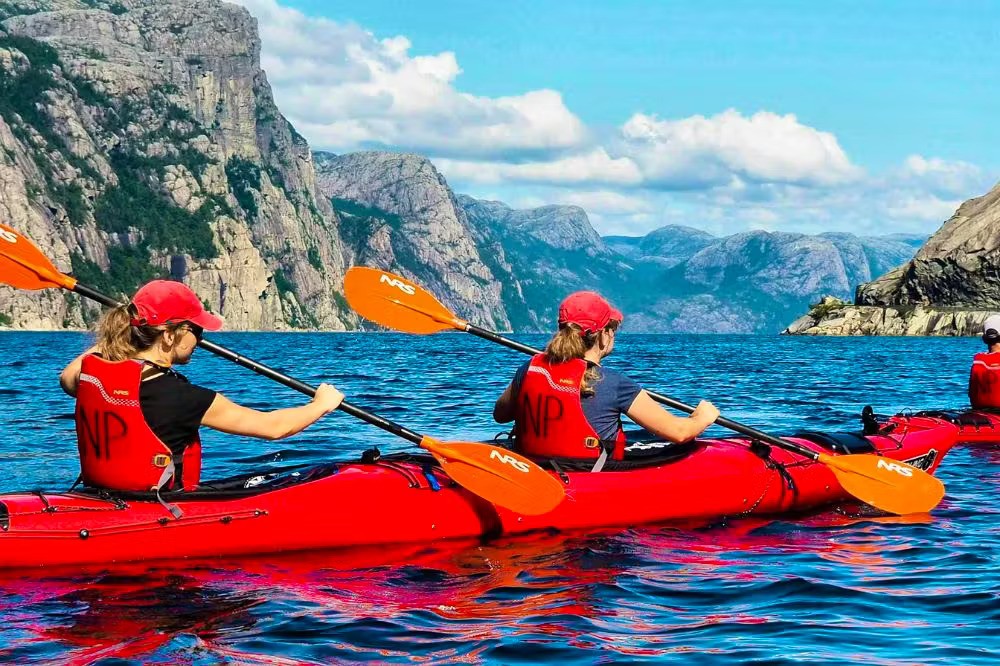
Personal Flotation Device (PFD): Always wear a properly fitted PFD, as it is essential for safety and often required by law.
Clothing: Dress in layers suitable for the weather. Quick-drying materials are ideal, and consider a wetsuit if you’re kayaking in cooler waters.
Footwear: Wear water shoes or sandals with straps to protect your feet and provide good grip on slippery surfaces.
4. Learn Basic Paddling Techniques
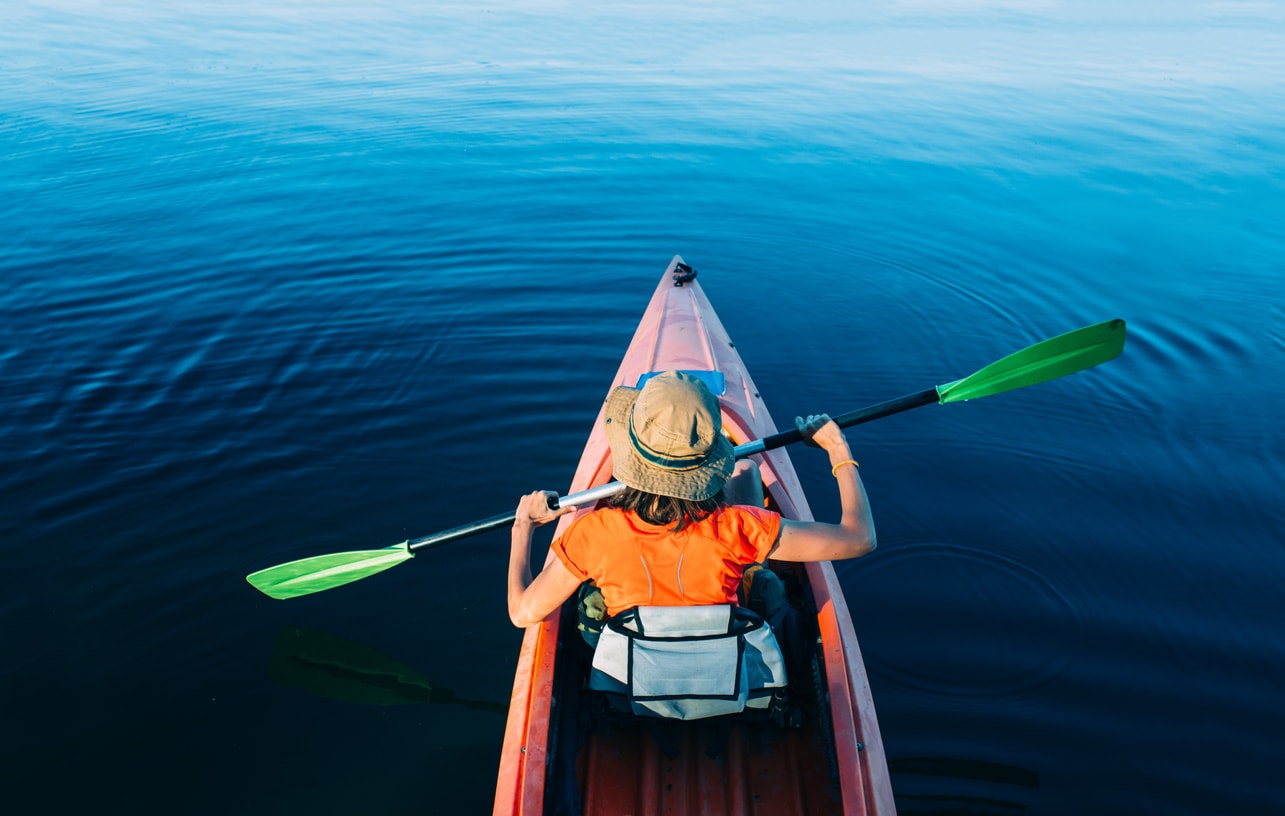
Paddle Grip: Hold the paddle with a relaxed grip, keeping your hands shoulder-width apart. Your knuckles should align with the paddle shaft.
Paddling Stroke: Use your core muscles to power your strokes rather than just your arms. Rotate your torso as you paddle for more efficient movement.
Steering Techniques: Practice using different strokes to steer your kayak. The sweep stroke can help turn the kayak, while the rudder stroke can help maintain a straight course.
5. Understand Local Conditions
Tides and Currents: If kayaking along the coast, be aware of tidal changes and currents. Check tide tables and plan your trip accordingly to avoid getting caught in strong currents.
Weather Awareness: Always check the weather forecast before heading out. Avoid kayaking in high winds, storms, or rough seas, especially as a beginner.
6. Safety First
Know Your Limits: Start with calm waters and short distances. Gradually build your skills and confidence before tackling more challenging conditions.
Emergency Plan: Familiarize yourself with local emergency contacts and procedures. Carry a whistle or signaling device in case you need assistance.
7. Stay Hydrated and Energized
Bring Water and Snacks: Always carry enough water to stay hydrated, especially on warm days. Pack lightweight snacks to keep your energy levels up during longer paddles.
8. Respect the Environment
Leave No Trace: Follow the principles of Leave No Trace by minimizing your impact on the environment. Avoid disturbing wildlife and be mindful of your waste.
Local Regulations: Familiarize yourself with local rules and regulations regarding kayaking, including any protected areas or restrictions.
Sea kayaking in Belgium can be a rewarding experience, offering stunning views and a chance to connect with nature. By choosing the right locations, wearing appropriate gear, and prioritizing safety, you can enjoy your kayaking adventures while exploring the beautiful waterways of Belgium.