Tips for Winter Hiking Trips
-
 Loading...
 - Maxim Sidorov
- 21 Feb 2025
- 34 Views
- 0 Like
- 0 Comment
Winter hiking can be a breathtaking experience, offering serene landscapes and fewer crowds. However, it also comes with unique challenges. Here are some essential tips to ensure a safe and enjoyable winter hiking adventure.
- Dress in Layers: Start with a moisture-wicking base layer to keep sweat away from your skin, followed by an insulating layer like fleece or down for warmth. Finally, wear a waterproof and windproof outer layer to protect against the elements. Make sure your pants are also insulated and water-resistant.
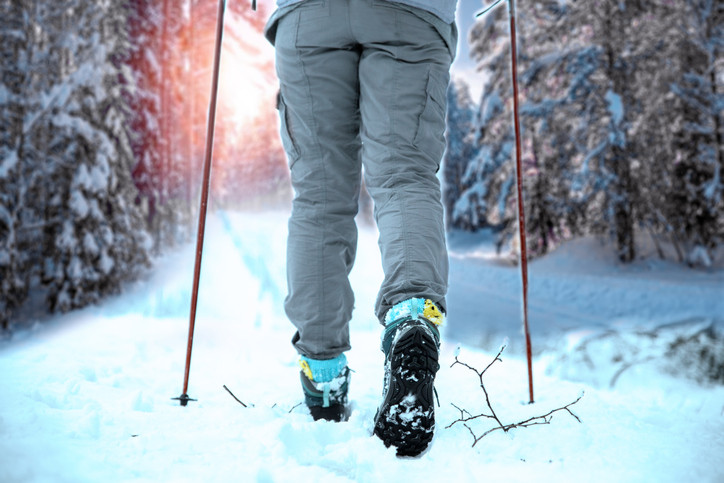
- Choose the Right Footwear: Insulated, waterproof hiking boots are essential for keeping your feet warm and dry. Gaiters can help prevent snow from entering your boots, and thick, moisture-wicking socks made of wool or synthetic materials will keep your feet comfortable.
- Plan Your Route: Research trails that are suitable for winter hiking and check for any closures or conditions. Choose a route that matches your fitness level and experience, as winter conditions can make trails more challenging.
- Check the Weather: Monitor weather forecasts leading up to your hike and be prepared for sudden changes. If severe weather is predicted, consider postponing your hike for safety.
- Bring Essential Gear: Carry navigation tools like a map, compass, or GPS device to help you stay on track. A headlamp or flashlight is important for shorter winter days, and trekking poles can provide stability on slippery or uneven terrain.
- Stay Hydrated and Fueled: Drink plenty of water, as hydration is still important in cold weather. Use insulated bottles to prevent freezing. Pack high-energy snacks like nuts, energy bars, or dried fruit to keep your energy levels up.
- Be Aware of Hazards: If hiking in mountainous areas, check avalanche forecasts and be aware of safe routes. Watch for icy patches and deep snow, and consider using microspikes or crampons for added traction.
- Hike with a Buddy: Whenever possible, hike with a friend or group for added safety. Let someone know your hiking plans, including your route and expected return time.
- Know When to Turn Back: Listen to your body; if you start feeling fatigued or unwell, don’t hesitate to turn back. Keep an eye on the time to ensure you return before dark.
- Enjoy the Experience: Take breaks to enjoy the scenery and capture photos. Winter landscapes can be stunning, and the peaceful solitude of winter hiking can be refreshing and rejuvenating.
By following these tips, you can enjoy the beauty of winter landscapes while staying safe and comfortable on your adventure.