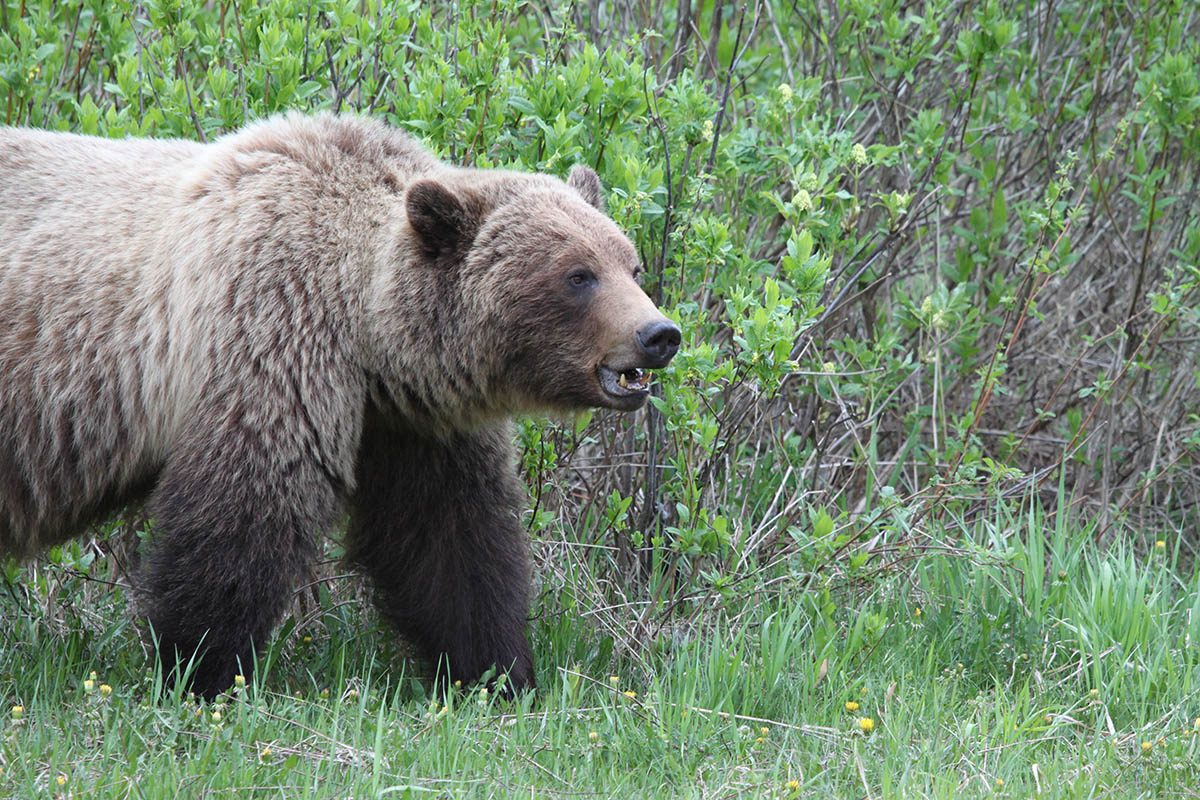
Selective Grizzly Bear Hunting Permitted in Alberta Sparks Environmental Concerns
-
 Loading...
 - Callum Mitchell
- 17 Jul 2024
- 57 Views
- 0 Like
- 0 Comment
The Alberta government has announced a new policy allowing selective grizzly bear hunts under specific conditions, sparking concerns among environmentalists about the potential impacts on the threatened species. This decision, made by Forestry and Parks Minister Todd Loewen through a ministerial order on June 17, is intended to manage "problem" wildlife and address safety concerns for rural Albertans.
Minister Loewen emphasized that this move is part of a broader strategy to manage wildlife that poses threats to human safety and agricultural interests. "This is an overall management strategy for problem wildlife in particular, to make sure that we can respond to rural Albertans, both their concerns of safety but also loss of crop and loss of livestock," Loewen told CBC News.
The provincial government has cited an increase in reports of dangerous interactions between grizzlies and humans or livestock. Data indicates a rise in such conflicts, with three attacks in 2020 and nine attacks by black and grizzly bears in 2021. Between 2000 and 2021, there were 104 reported attacks. Some of these incidents were described as predatory in nature.
Criteria for Grizzly Bear Management Authorizations
The ministerial order allows for grizzly bear management authorizations to be issued under the following conditions:
- The bear has been involved in a human-bear conflict situation.
- The bear is located in an "area of concern."
- The bear is not accompanied by a cub.
Sport hunting of grizzly bears in Alberta was banned in 2006, and the species was listed as threatened in 2010 when the population was estimated to be between 700 and 800. Conservation efforts have since led to a population increase, with numbers rising to between 856 and 973 by 2021. The current estimate suggests that over 1,150 grizzly bears now inhabit Alberta.
Concerns from Environmentalists
Despite the apparent success in grizzly bear population recovery, environmentalists worry that reintroducing hunting, even on a limited basis, could undermine these gains. The fear is that the progress made in conserving the species could be jeopardized by hunting, potentially reversing the trend of population growth.
The Alberta government's decision to permit selective hunting of "problem" grizzly bears aims to balance wildlife management with the safety and economic concerns of rural residents. However, the move has raised significant environmental concerns about the potential risks to a species that has only recently shown signs of recovery. The situation underscores the delicate balance between human interests and wildlife conservation efforts.