Home Upload Photo Upload Videos Write a Blog Analytics Messaging Streaming Create Adverts Creators Program
Bebuzee Afghanistan Bebuzee Albania Bebuzee Algeria Bebuzee Andorra Bebuzee Angola Bebuzee Antigua and Barbuda Bebuzee Argentina Bebuzee Armenia Bebuzee Australia Bebuzee Austria Bebuzee Azerbaijan Bebuzee Bahamas Bebuzee Bahrain Bebuzee Bangladesh Bebuzee Barbados Bebuzee Belarus Bebuzee Belgium Bebuzee Belize Bebuzee Benin Bebuzee Bhutan Bebuzee Bolivia Bebuzee Bosnia and Herzegovina Bebuzee Botswana Bebuzee Brazil Bebuzee Brunei Bebuzee Bulgaria Bebuzee Burkina Faso Bebuzee Burundi Bebuzee Cabo Verde Bebuzee Cambodia Bebuzee Cameroon Bebuzee Canada Bebuzee Central African Republic Bebuzee Chad Bebuzee Chile Bebuzee China Bebuzee Colombia Bebuzee Comoros Bebuzee Costa Rica Bebuzee Côte d'Ivoire Bebuzee Croatia Bebuzee Cuba Bebuzee Cyprus Bebuzee Czech Republic Bebuzee Democratic Republic of the Congo Bebuzee Denmark Bebuzee Djibouti Bebuzee Dominica Bebuzee Dominican Republic Bebuzee Ecuador Bebuzee Egypt Bebuzee El Salvador Bebuzee Equatorial Guinea Bebuzee Eritrea Bebuzee Estonia Bebuzee Eswatini Bebuzee Ethiopia Bebuzee Fiji Bebuzee Finland Bebuzee France Bebuzee Gabon Bebuzee Gambia Bebuzee Georgia Bebuzee Germany Bebuzee Ghana Bebuzee Greece Bebuzee Grenada Bebuzee Guatemala Bebuzee Guinea Bebuzee Guinea-Bissau Bebuzee Guyana Bebuzee Haiti Bebuzee Honduras Bebuzee Hong Kong Bebuzee Hungary Bebuzee Iceland Bebuzee India Bebuzee Indonesia Bebuzee Iran Bebuzee Iraq Bebuzee Ireland Bebuzee Israel Bebuzee Italy Bebuzee Jamaica Bebuzee Japan Bebuzee Jordan Bebuzee Kazakhstan Bebuzee Kenya Bebuzee Kiribati Bebuzee Kuwait Bebuzee Kyrgyzstan Bebuzee Laos Bebuzee Latvia Bebuzee Lebanon Bebuzee Lesotho Bebuzee Liberia Bebuzee Libya Bebuzee Liechtenstein Bebuzee Lithuania Bebuzee Luxembourg Bebuzee Madagascar Bebuzee Malawi Bebuzee Malaysia Bebuzee Maldives Bebuzee Mali Bebuzee Malta Bebuzee Marshall Islands Bebuzee Mauritania Bebuzee Mauritius Bebuzee Mexico Bebuzee Micronesia Bebuzee Moldova Bebuzee Monaco Bebuzee Mongolia Bebuzee Montenegro Bebuzee Morocco Bebuzee Mozambique Bebuzee Myanmar Bebuzee Namibia Bebuzee Nauru Bebuzee Nepal Bebuzee Netherlands Bebuzee New Zealand Bebuzee Nicaragua Bebuzee Niger Bebuzee Nigeria Bebuzee North Korea Bebuzee North Macedonia Bebuzee Norway Bebuzee Oman Bebuzee Pakistan Bebuzee Palau Bebuzee Panama Bebuzee Papua New Guinea Bebuzee Paraguay Bebuzee Peru Bebuzee Philippines Bebuzee Poland Bebuzee Portugal Bebuzee Qatar Bebuzee Republic of the Congo Bebuzee Romania Bebuzee Russia Bebuzee Rwanda Bebuzee Saint Kitts and Nevis Bebuzee Saint Lucia Bebuzee Saint Vincent and the Grenadines Bebuzee Samoa Bebuzee San Marino Bebuzee São Tomé and Príncipe Bebuzee Saudi Arabia Bebuzee Senegal Bebuzee Serbia Bebuzee Seychelles Bebuzee Sierra Leone Bebuzee Singapore Bebuzee Slovakia Bebuzee Slovenia Bebuzee Solomon Islands Bebuzee Somalia Bebuzee South Africa Bebuzee South Korea Bebuzee South Sudan Bebuzee Spain Bebuzee Sri Lanka Bebuzee Sudan Bebuzee Suriname Bebuzee Sweden Bebuzee Switzerland Bebuzee Syria Bebuzee Taiwan Bebuzee Tajikistan Bebuzee Tanzania Bebuzee Thailand Bebuzee Timor-Leste Bebuzee Togo Bebuzee Tonga Bebuzee Trinidad and Tobago Bebuzee Tunisia Bebuzee Turkey Bebuzee Turkmenistan Bebuzee Tuvalu Bebuzee Uganda Bebuzee Ukraine Bebuzee United Arab Emirates Bebuzee United Kingdom Bebuzee Uruguay Bebuzee Uzbekistan Bebuzee Vanuatu Bebuzee Venezuela Bebuzee Vietnam Bebuzee World Wide Bebuzee Yemen Bebuzee Zambia Bebuzee Zimbabwe
Blog Image

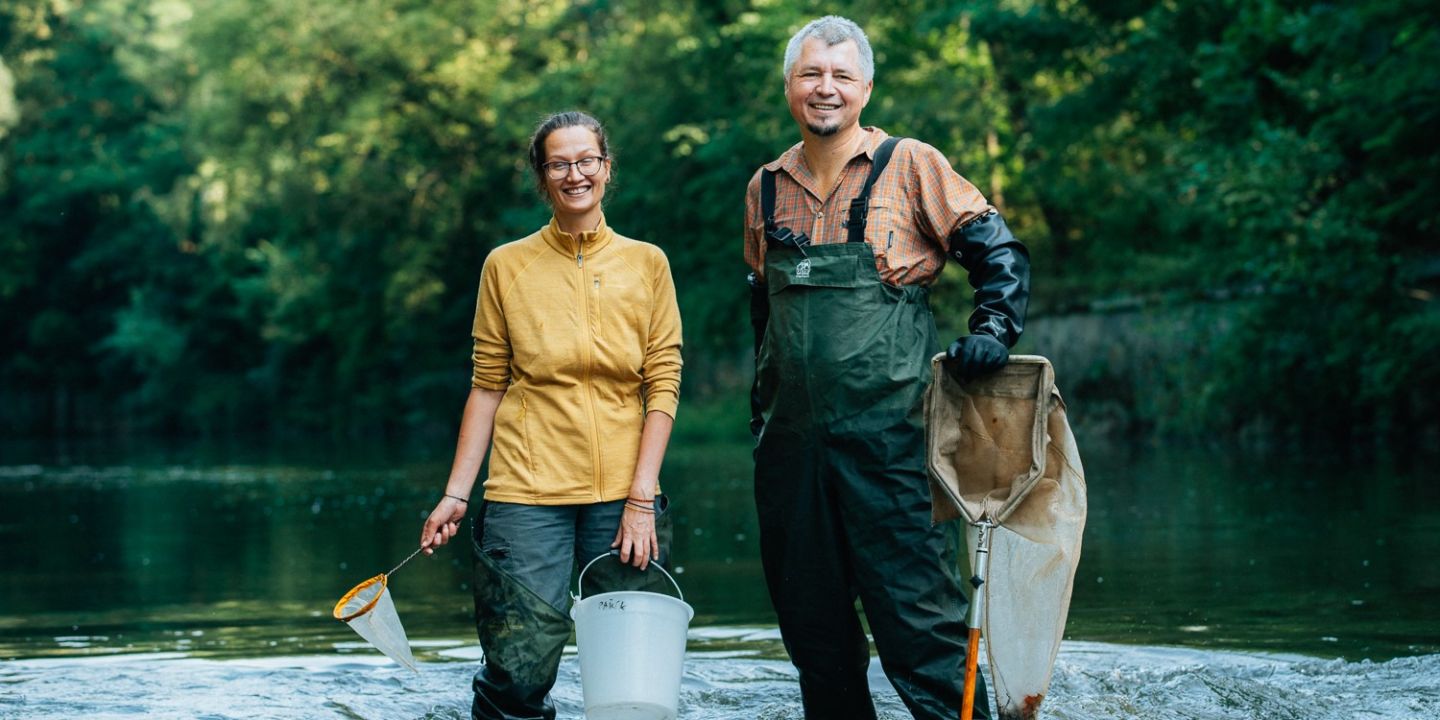
Changing Biodiversity in Running Waters

Biodiversity in running waters, such as rivers and streams, is undergoing significant changes due to various environmental pressures and human activities. These changes are critical as they affect not only the aquatic ecosystems themselves but also the broader environmental health and the services these ecosystems provide. Here are some key factors influencing the biodiversity in running waters:

1. Climate Change

Climate change is altering water temperatures, flow patterns, and the availability of habitats. Warmer water temperatures can stress cold-water species, leading to shifts in species distribution. Additionally, changes in precipitation patterns can result in altered flow regimes, affecting the timing and extent of water availability, which can disrupt the life cycles of aquatic organisms.

2. Pollution

Nutrient runoff from agriculture, industrial discharges, and untreated sewage introduce pollutants into waterways. Excessive nutrients, such as nitrogen and phosphorus, can lead to eutrophication, causing algal blooms that deplete oxygen levels and harm aquatic life. Chemical pollutants can also be toxic to many species, reducing biodiversity and altering community structures.

3. Habitat Modification

Human activities such as dam construction, water extraction, and land-use changes can significantly modify aquatic habitats. Dams can fragment rivers, blocking the movement of migratory species and altering sediment and nutrient flows. Water extraction for agriculture and urban use can reduce flow levels, impacting the availability of habitats for various species.

4. Invasive Species

The introduction of non-native species can have profound effects on local biodiversity. Invasive species can outcompete, prey on, or bring diseases to native species, leading to declines or extinctions of indigenous populations. The spread of invasive species is often facilitated by human activities such as shipping, aquaculture, and recreational activities.

5. Overexploitation

Overfishing and the excessive extraction of aquatic resources can deplete populations of key species, disrupting food webs and leading to declines in biodiversity. This overexploitation can result from commercial fishing, recreational fishing, and the collection of organisms for the pet trade or traditional medicine.

6. Conservation Efforts

Efforts to conserve and restore biodiversity in running waters are increasingly important. These include the establishment of protected areas, habitat restoration projects, pollution control measures, and regulations to manage water use and fisheries. Effective conservation strategies require a holistic approach that considers the interconnectedness of aquatic and terrestrial ecosystems.

Biodiversity in running waters is facing numerous challenges that are altering the composition and function of aquatic ecosystems. Climate change, pollution, habitat modification, invasive species, and overexploitation are all significant drivers of change. To preserve and restore the biodiversity of rivers and streams, it is essential to implement comprehensive conservation measures that address these multifaceted issues. Protecting the health of running waters is crucial not only for the species that inhabit them but also for the overall well-being of our environment and society.

 

Previous Post

Selective Grizzly Bear Hunting Permitted in Alberta Sparks Environmental Concerns

Next Post

Sweden Announces Landmark Ban on Bottom Trawling

Comments