Sweden Announces Landmark Ban on Bottom Trawling
-
 Loading...
 - Elke Christoph
- 18 Jul 2024
- 59 Views
- 0 Like
- 0 Comment
Sweden is poised to make a significant environmental stride by becoming the second EU country, after Greece, to ban bottom fishing in marine protected areas (MPAs). Sweden's commitment goes further, proposing a ban on bottom trawling in all its territorial waters. This ambitious plan was unveiled by Prime Minister Ulf Kristersson and his ministers at a press conference, signaling a major shift in the country’s marine conservation efforts.
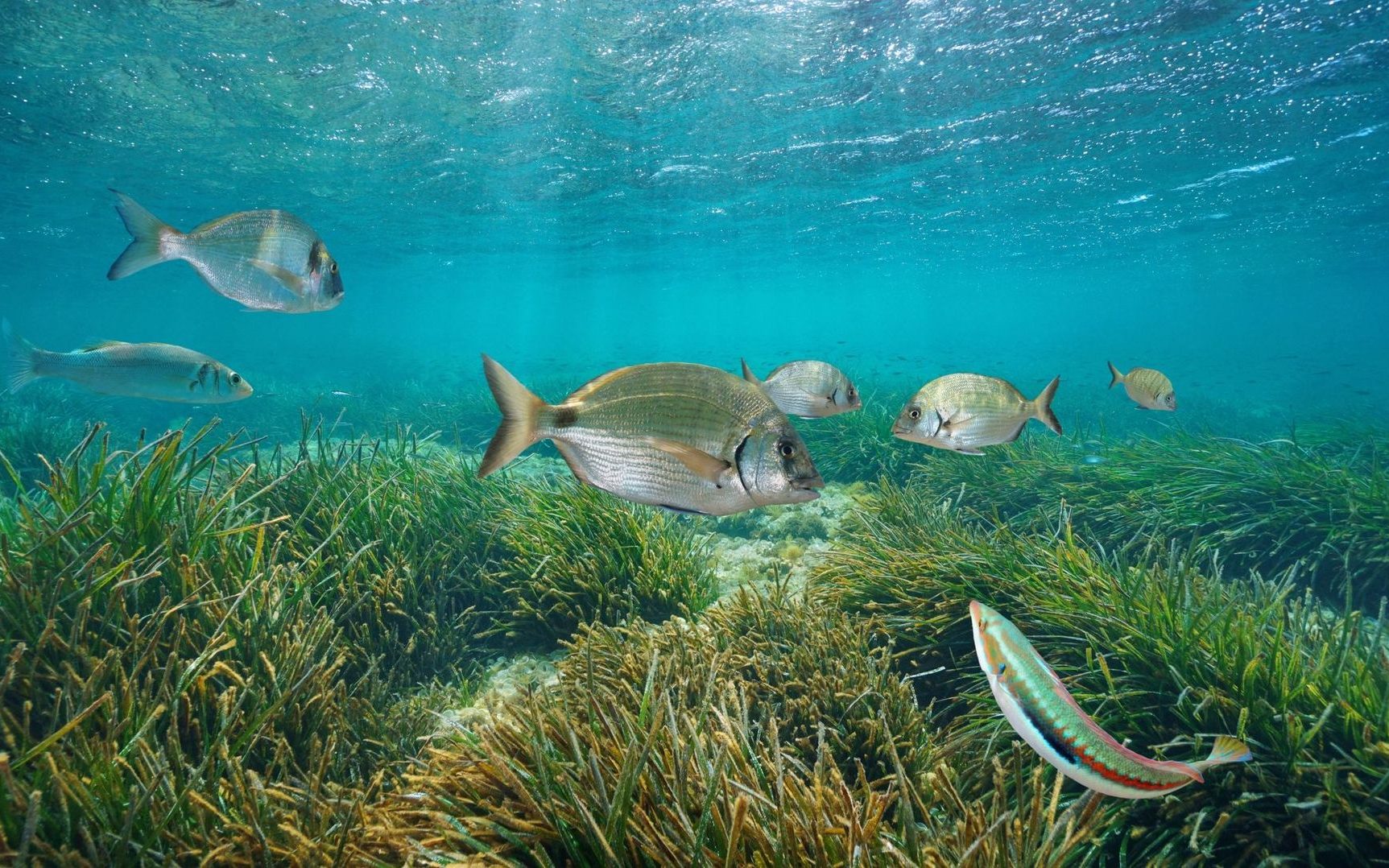
Swedish Environment Minister Romina Pourmokhtari hailed the announcement, highlighting its importance for safeguarding species such as sturgeon, herring, and cod from the detrimental effects of industrial trawlers. This initiative aligns with the European Commission’s 2023 call to phase out bottom trawling in MPAs by 2030. Despite the Commission's directive, a survey by Oceana revealed that bottom trawling still occurs in 90% of European MPAs.
Greece previously announced its ban on bottom trawling at the ‘Our Ocean’ world conference in April, initiating the ban in national marine parks by 2026 and extending it to all MPAs by 2030. Sweden’s decision is particularly impactful due to its substantial role in European fishing, with 127 trawlers operating in 11% of its 2,179 MPAs.
Environmental NGOs have applauded Sweden’s move, viewing it as a critical step towards reviving marine life and promoting sustainable, low-impact fisheries. The Swedish government anticipates that this ban will aid in the recovery of fish stocks, including the critically endangered Eastern Baltic cod and the dwindling herring populations.
However, the commercial fishing sector, represented by the European Bottom Fisheries Alliance (EBFA), has voiced opposition. The EBFA contends that bottom trawling is already a “perfectly regulated” practice and advocates for an EU strategy that emphasizes innovation and sustainable practices rather than eliminating regulated fishing activities.
Overall, Sweden’s ban on bottom trawling reflects a growing European effort to combat overfishing and habitat destruction, aiming to protect marine ecosystems and ensure the recovery and sustainability of fish stocks.