Home Upload Photo Upload Videos Write a Blog Analytics Messaging Streaming Create Adverts Creators Program
Bebuzee Afghanistan Bebuzee Albania Bebuzee Algeria Bebuzee Andorra Bebuzee Angola Bebuzee Antigua and Barbuda Bebuzee Argentina Bebuzee Armenia Bebuzee Australia Bebuzee Austria Bebuzee Azerbaijan Bebuzee Bahamas Bebuzee Bahrain Bebuzee Bangladesh Bebuzee Barbados Bebuzee Belarus Bebuzee Belgium Bebuzee Belize Bebuzee Benin Bebuzee Bhutan Bebuzee Bolivia Bebuzee Bosnia and Herzegovina Bebuzee Botswana Bebuzee Brazil Bebuzee Brunei Bebuzee Bulgaria Bebuzee Burkina Faso Bebuzee Burundi Bebuzee Cabo Verde Bebuzee Cambodia Bebuzee Cameroon Bebuzee Canada Bebuzee Central African Republic Bebuzee Chad Bebuzee Chile Bebuzee China Bebuzee Colombia Bebuzee Comoros Bebuzee Costa Rica Bebuzee Côte d'Ivoire Bebuzee Croatia Bebuzee Cuba Bebuzee Cyprus Bebuzee Czech Republic Bebuzee Democratic Republic of the Congo Bebuzee Denmark Bebuzee Djibouti Bebuzee Dominica Bebuzee Dominican Republic Bebuzee Ecuador Bebuzee Egypt Bebuzee El Salvador Bebuzee Equatorial Guinea Bebuzee Eritrea Bebuzee Estonia Bebuzee Eswatini Bebuzee Ethiopia Bebuzee Fiji Bebuzee Finland Bebuzee France Bebuzee Gabon Bebuzee Gambia Bebuzee Georgia Bebuzee Germany Bebuzee Ghana Bebuzee Greece Bebuzee Grenada Bebuzee Guatemala Bebuzee Guinea Bebuzee Guinea-Bissau Bebuzee Guyana Bebuzee Haiti Bebuzee Honduras Bebuzee Hong Kong Bebuzee Hungary Bebuzee Iceland Bebuzee India Bebuzee Indonesia Bebuzee Iran Bebuzee Iraq Bebuzee Ireland Bebuzee Israel Bebuzee Italy Bebuzee Jamaica Bebuzee Japan Bebuzee Jordan Bebuzee Kazakhstan Bebuzee Kenya Bebuzee Kiribati Bebuzee Kuwait Bebuzee Kyrgyzstan Bebuzee Laos Bebuzee Latvia Bebuzee Lebanon Bebuzee Lesotho Bebuzee Liberia Bebuzee Libya Bebuzee Liechtenstein Bebuzee Lithuania Bebuzee Luxembourg Bebuzee Madagascar Bebuzee Malawi Bebuzee Malaysia Bebuzee Maldives Bebuzee Mali Bebuzee Malta Bebuzee Marshall Islands Bebuzee Mauritania Bebuzee Mauritius Bebuzee Mexico Bebuzee Micronesia Bebuzee Moldova Bebuzee Monaco Bebuzee Mongolia Bebuzee Montenegro Bebuzee Morocco Bebuzee Mozambique Bebuzee Myanmar Bebuzee Namibia Bebuzee Nauru Bebuzee Nepal Bebuzee Netherlands Bebuzee New Zealand Bebuzee Nicaragua Bebuzee Niger Bebuzee Nigeria Bebuzee North Korea Bebuzee North Macedonia Bebuzee Norway Bebuzee Oman Bebuzee Pakistan Bebuzee Palau Bebuzee Panama Bebuzee Papua New Guinea Bebuzee Paraguay Bebuzee Peru Bebuzee Philippines Bebuzee Poland Bebuzee Portugal Bebuzee Qatar Bebuzee Republic of the Congo Bebuzee Romania Bebuzee Russia Bebuzee Rwanda Bebuzee Saint Kitts and Nevis Bebuzee Saint Lucia Bebuzee Saint Vincent and the Grenadines Bebuzee Samoa Bebuzee San Marino Bebuzee São Tomé and Príncipe Bebuzee Saudi Arabia Bebuzee Senegal Bebuzee Serbia Bebuzee Seychelles Bebuzee Sierra Leone Bebuzee Singapore Bebuzee Slovakia Bebuzee Slovenia Bebuzee Solomon Islands Bebuzee Somalia Bebuzee South Africa Bebuzee South Korea Bebuzee South Sudan Bebuzee Spain Bebuzee Sri Lanka Bebuzee Sudan Bebuzee Suriname Bebuzee Sweden Bebuzee Switzerland Bebuzee Syria Bebuzee Taiwan Bebuzee Tajikistan Bebuzee Tanzania Bebuzee Thailand Bebuzee Timor-Leste Bebuzee Togo Bebuzee Tonga Bebuzee Trinidad and Tobago Bebuzee Tunisia Bebuzee Turkey Bebuzee Turkmenistan Bebuzee Tuvalu Bebuzee Uganda Bebuzee Ukraine Bebuzee United Arab Emirates Bebuzee United Kingdom Bebuzee Uruguay Bebuzee Uzbekistan Bebuzee Vanuatu Bebuzee Venezuela Bebuzee Vietnam Bebuzee World Wide Bebuzee Yemen Bebuzee Zambia Bebuzee Zimbabwe
Blog Image

Seven ways to boost your gut health

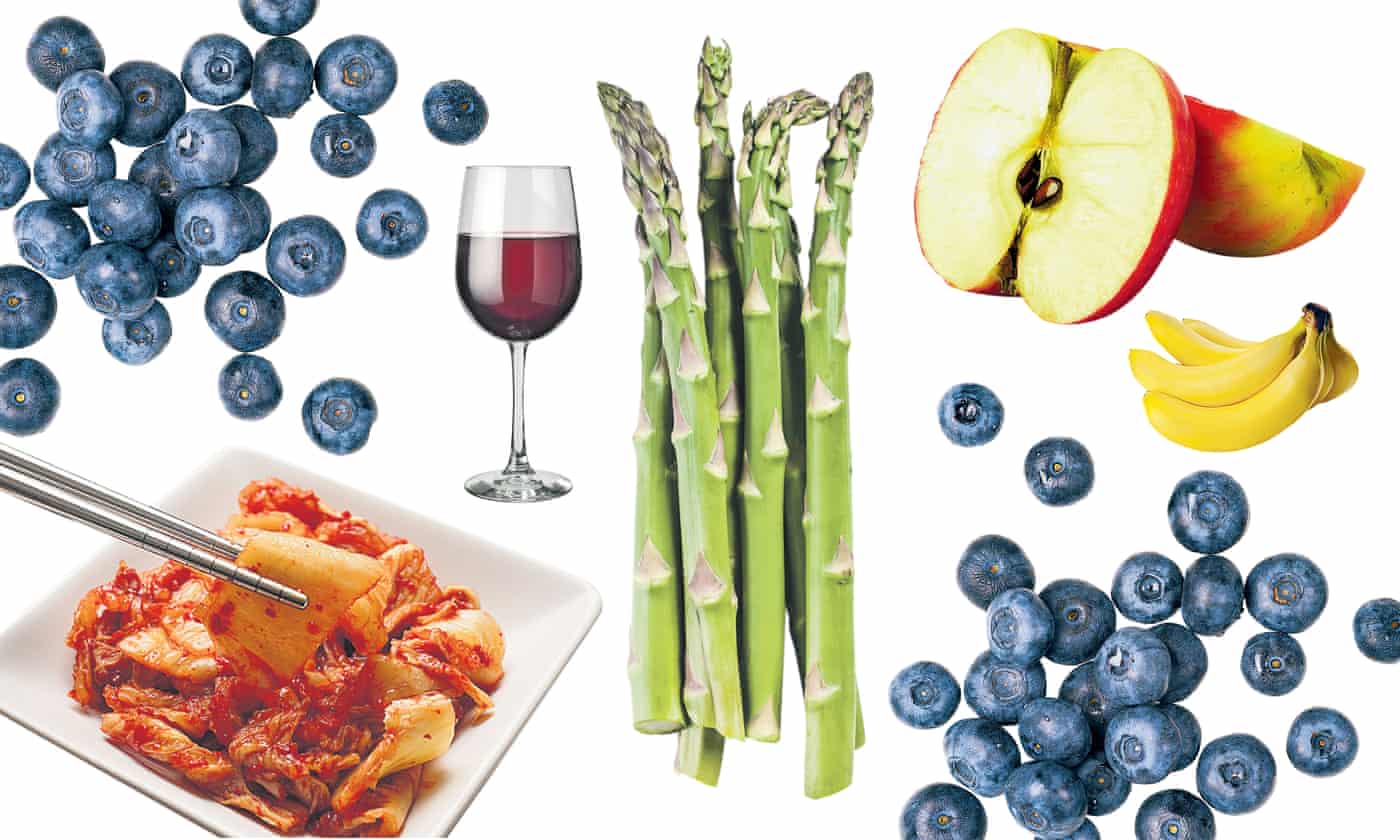
What you eat has an effect on your microbiome. Composite: Getty/Alamy

Eat more prebiotics

Scientists have identified a few species among the many trillions of microbes that live in your intestines that play a crucial role in gut health and maintaining a balanced immune system. Your dietary intake is vital to allowing these species to flourish and to preventing imbalances that can lead to disease. Prebiotics provide a good food source for certain populations of healthy gut bacteria, such as bifidobacteria, which, in turn, prevent intestinal inflammation. Studies have shown that prebiotics can be particularly beneficial for obese people, as they reduce insulin and cholesterol levels, while lowering the risk of heart disease and diabetes. Prebiotics can be bought as supplements, but they are also contained within foods including asparagus, leeks, bananas, garlic and jerusalem artichoke.

Focus on fibre and wholegrains

Western diets tend to be rich in fat and sugar, with most of our food coming from only 12 plant and five animal species. However, following a diet rich in high-fibre foods such as apples, artichokes, blueberries, chickpeas, lentils, pease and beans can limit the growth of harmful bacteria and stimulate bifidobacteria, lactobacilli and another healthy species called Bacteroidetes.

Up your intake of fermented products

Fermented foods such as kimchi, kefir, kombucha, natural yoghurts and fermented soya bean milk have been shown to promote the abundance of healthy gut bacteria and reduce the levels of enterobacteriaceae, a family of bacteria linked to a number of chronic diseases. Natural yoghurt enriched with bifidobacteria has also been found to alleviate lactose intolerance in children and adults, while yoghurts enhanced with lactobacilli have had some beneficial results in patients with inflammatory bowel disease. Avoid flavoured yoghurts, which tend to contain high levels of sugar.

Prioritise polyphenols

Polyphenols are plant compounds that are mainly digested by gut bacteria and are associated with a variety of benefits including reducing blood pressure, cholesterol and oxidative stress. They are found in foods including almonds, blueberries and broccoli as well as in green tea, cocoa and red wine. The types of polyphenols found in cocoa are linked to changes in the microbiome that reduce inflammation and triglyceride levels.

Avoid artificial sweeteners

Artificial sweeteners such as aspartame are commonly found in food as replacements for sugar. However, aspartame has been found to alter gut bacteria in human and animal studies. These changes appear to result in elevated blood sugar levels and increased susceptibility to metabolic disease.

Breastfeed

Our microbiome is continually developing during our first two years of life. A number of studies have shown that babies who are breastfed for six months develop a much healthier gut compared with those who are fed with formula. Children who have been breastfed are also less prone to allergies, obesity, leukemia and diabetes; this is thought to be linked to the microbiome.

Go vegetarian

Several studies have suggested that vegetarian diets may be good for the microbiome, with findings indicating that a largely plant-based diet decreases the levels of disease-causing bacteria such as E coli and Enterobacteriaceae. This may be particularly beneficial for obese people with type 2 diabetes or hypertension. One small study found that obese people who switched to a vegetarian diet had reduced levels of potentially harmful bacteria as well as lower levels of cholesterol and inflammation after one month.

Previous Post

Boil your dishcloths! How to make your everyday environment cleaner than a toilet seat

Next Post

Is the rise of 'urban hiker' style about a passion for walking – or something less wholesome?

Comments