Seven weird things about life in Austria you need to get used to
-
 Loading...
 - Julia Maier
- 02 May 2022
- 303 Views
- 0 Like
- 0 Comment
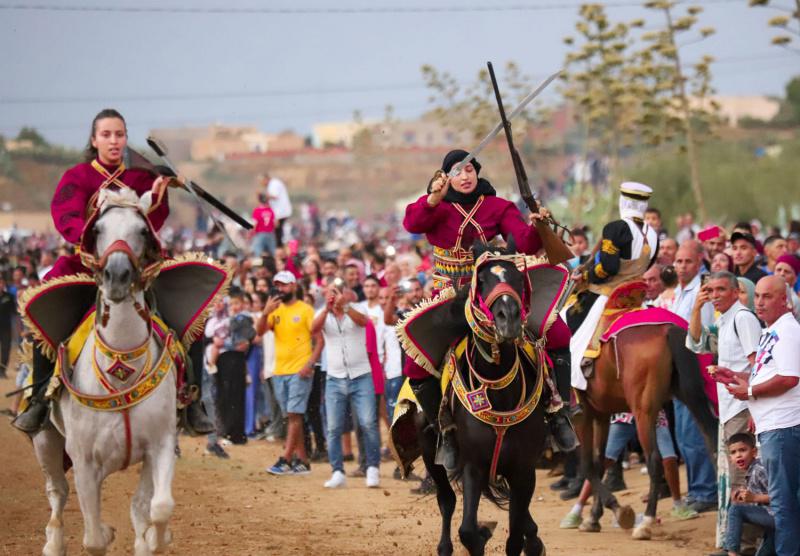
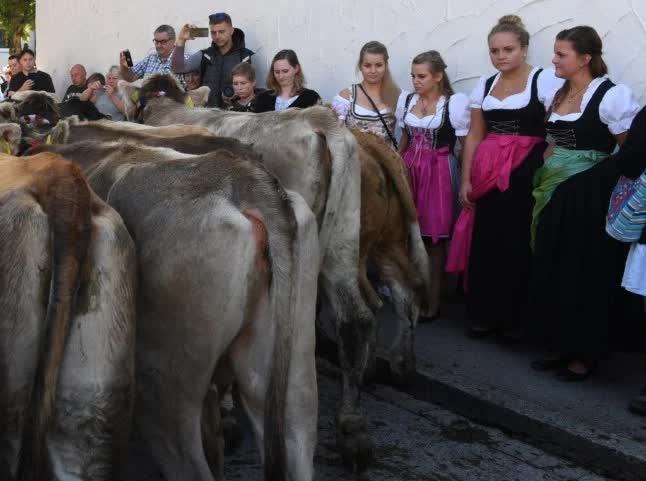
People dressed in traditional clothes
In recent years, Austrian traditional clothing such as Lederhosen and Dirndls have been becoming increasingly popular with younger people seeking to reconnect with their Austrian heritage.
Although in past years Austrian traditional clothing (Tracht) was worn by many as a symbol of Austrian pride and nationalism, hipsters began wearing traditional clothing again a few years ago . Now irony has turned to enthusiasm for many Austrians. One commonly heard mantra is that every woman can look good in a Dirndl regardless of age or physique. Don’t be surprised if you get on a tram or are out walking in the hills and find yourself standing with a group of people dressed in Dirndls and Lederhosen, particularly during the wine harvest season.
No shops open on Sunday
Weekends in Austria can feel like going back in time, as almost all its supermarkets and shops close on Sundays. Living in Austria means remembering to make sure you’ve stocked up on essentials the day before, bearing in mind many shops close early on Saturday too. Sundays are left free for church, sports, culture and relaxation.
There’s no need to go without freshly baked bread or flowers as you can always find bakeries and flower shops open on Sunday mornings. Also, museums, galleries, cafes and restaurants are normally open on Sunday.
Nobody wants to be that person in a mile-long queue at Praterstern Billa in Vienna (one of the few stores open on Sundays), because you forgot some essential item.
Alcohol: any place, anywhere and at any outdoor temperature
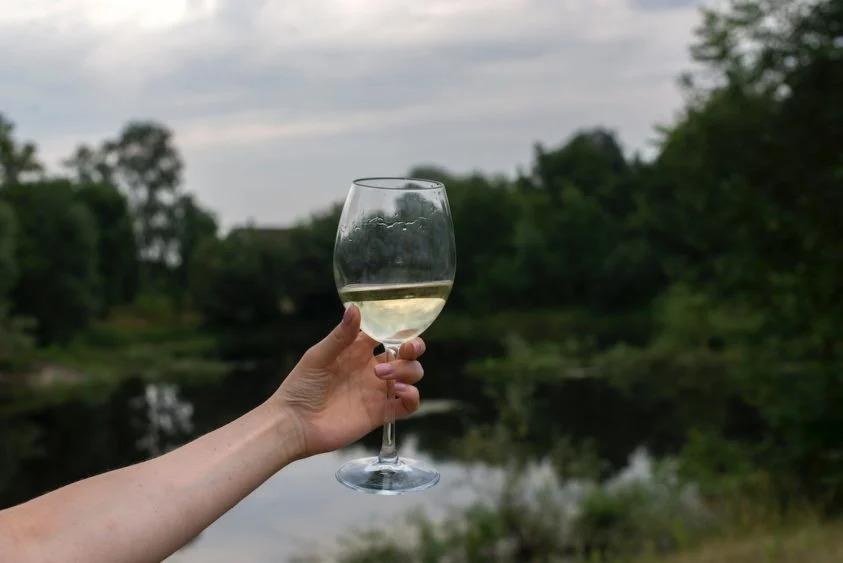
Drinking alcohol is allowed almost anywhere, and happens at any time, with many cafes offering sparkling wine with brunch or people enjoying a quick beer with breakfast. It’s also fine to bring wine and drink it in a park with your picnic. Cold weather is no deterrent for thousands of Austrians who love sipping winter Punsch (hot spiced wine) outside at Christmas markets despite freezing temperatures.
Austria is also very fond of the ‘Wegbier’, which is the beer you drink when you are on your way somewhere.
One drink you have to try in Austria in autumn is Sturm, a fermented drink which falls somewhere between grape juice and wine. It is alcoholic, ranging from 4 – 10 percent, sweet and slightly fizzy. You can buy both red and white Sturm and it’s best drunk out of a mug in a vineyard during the autumn wine harvest.
There are other unusual aspects to the drinking culture in Austria. Don’t be surprised to find yourself out of pocket if you invite your colleagues for a drink after work – that means you are buying all the rounds. Look deep into people’s eyes when you clink glasses and say “Prost” (“cheers” in German). Failure to do so means you will have bad sex, or that you’ve poisoned your drinking partner’s drink (depending on who you ask).
Formal titles
The Coronavirus pandemic has put a stop to the obligatory handshaking (or cheek-kissing in Vienna) when you are in a professional or friendly encounter with people from Austria. However, the obsession with academic titles remains in Austria – ignore at your peril. There are many professional titles such as Dipl. Ing., Mag., MSc, MA, Dr. and they are used on almost all documents, (for example loyalty cards) and correspondence.
It’s also a minefield trying to work out when you can address someone with the formal “you” (Sie) and the informal “you” (du). One tip – when you are in the mountains, everyone calls each other by the informal “du”. Above a certain altitude (around 1000m), formality no longer exists.
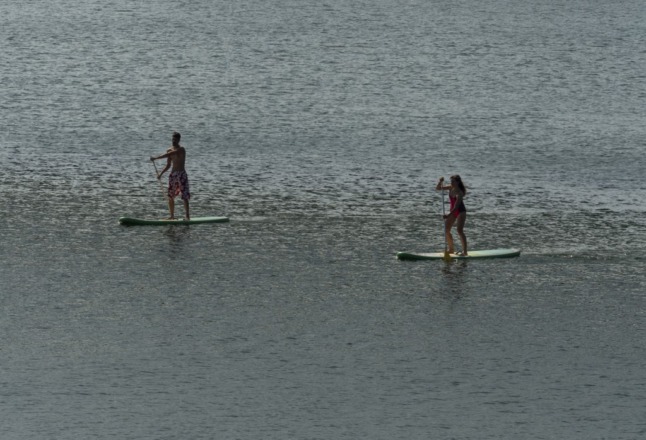
Nudity is accepted far more in Austria than in countries such as Britain, and certainly more than the US. Freikörperkultur (FKK) or nudism is still pretty popular. It’s quite normal to encounter a naked sunbathing area when going to a swimming pool, or at a river beach along the Danube. Naked people can be spotted SUPing, cycling and playing volleyball all over the palace in Vienna. Doctors are unlikely to give you a blanket to cover up if you go in for a checkup, but just expect you to strip off for your annual physical.
And don’t even think about wearing anything other than a towel in the sauna.
Relaxed attitude to health and safety
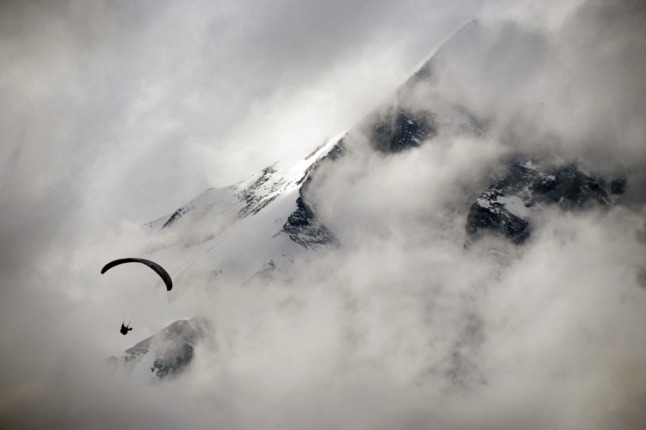
It’s not uncommon in Austria to see builders without protective gloves or hard hats, candles burning away in apartments with no smoke alarms and people (including children) cycling or scooting without helmets. Not to mention the popularity of smoking, “heart attack food” such as Leberkäse and Würst and drinking. Perhaps it’s the nation’s predilection for extremely dangerous sports such as paragliding and skiing, or the Austrian libertarian streak, but there appears to be far less emphasis on ‘health and safety’ in Austria than in some other cultures.
Cold war sirens
A couple of times a year, the eerie noise of cold war sirens sound out wherever you live in Austria. Unlike neighbouring Germany, Austria has kept in place its early warning system from the cold war and has a nationwide, operational network of 8,212 sirens which are tested twice a year. Read More...