Tunisia's deep-rooted ‘Zarda' tradition continues to thrive
-
 Loading...
 - luke grace
- 05 Oct 2022
- 80 Views
- 0 Like
- 0 Comment
Autumn in Tunisia and the rest of the Maghreb, is the season of what is known as the “Zarda” in all towns and villages, from the coast to the hinterland.
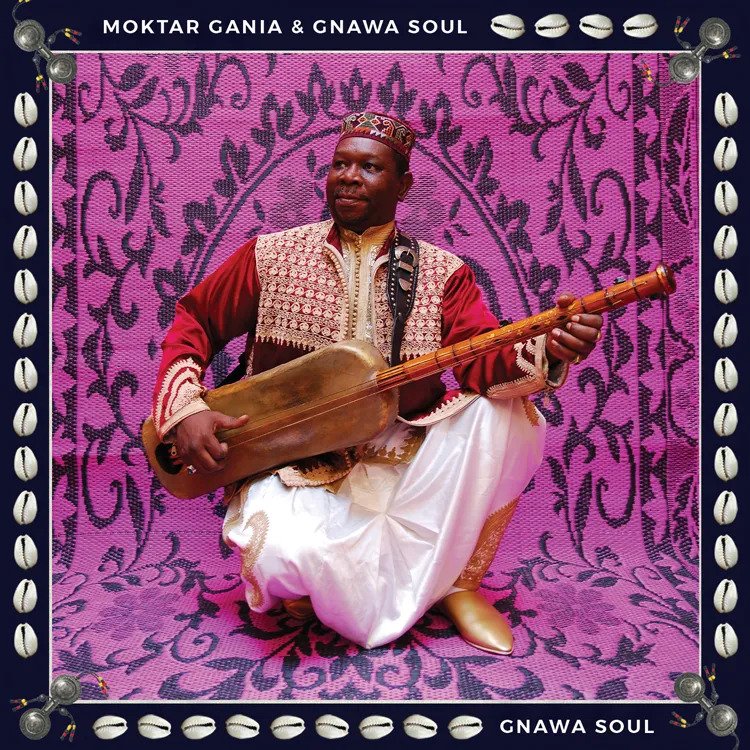
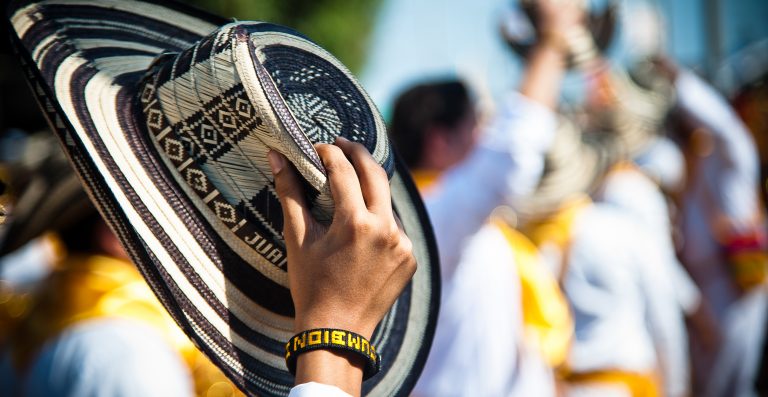
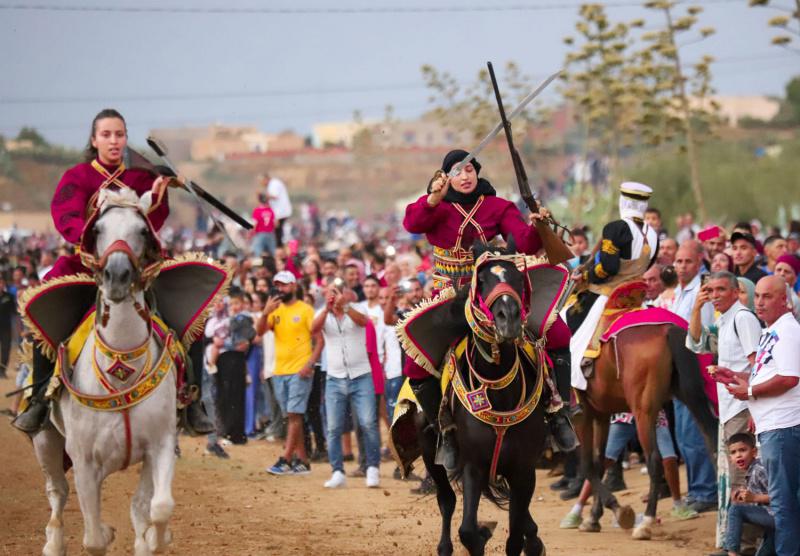
A Zarda is a large feast honouring the local saint. Markets are held around his shrine and animal sacrifices are made in his name. Festivities go on for days including horse shows and Sufi dance and chant events known as “the Nuba”.
The Zarda goes on for three days and nights, with tents set up along near the tomb of the local saint and with much buying and selling taking place along with artistic, cultural and even sports activities. Over the years these celebrations have been tweaked and trimmed to suit the times, but they preserve their festive spirit and mystical dimension.
Usually, the Zarda takes place after the harvest and before the start of ploughing and planting. Each region has a “specified” time and place for its local celebration of its "Wali' Salih" (righteous local saint). People prepare for it, dress up and even go on romantic dates.
The Zarda is beyond just seeking the blessings of the righteous guardian, as it also represents a social, commercial and economic event where women sell traditional products they make in their homes.
What gives such celebrations a regional and international dimension is that many of the "righteous saints" are celebrated by Tunisia's Libyan, Algerian and Moroccan neighbours and even by followers from Mauritania and Egypt, as well as others from Italy and Malta.
In addition, the Zarda held around the local saints erases differences between genders. The Sufi history of the "righteous guardians" includes such names as "Aziza” in Kasserine, “Umm El-Zine al-Jammalia” on the coast, and “Lalla Mannoubiya, the beloved of God” in the capital. Each of them has her season and feasts and celebrations. Read More…